
Why Drywall Buckles and What It Means for Your Home
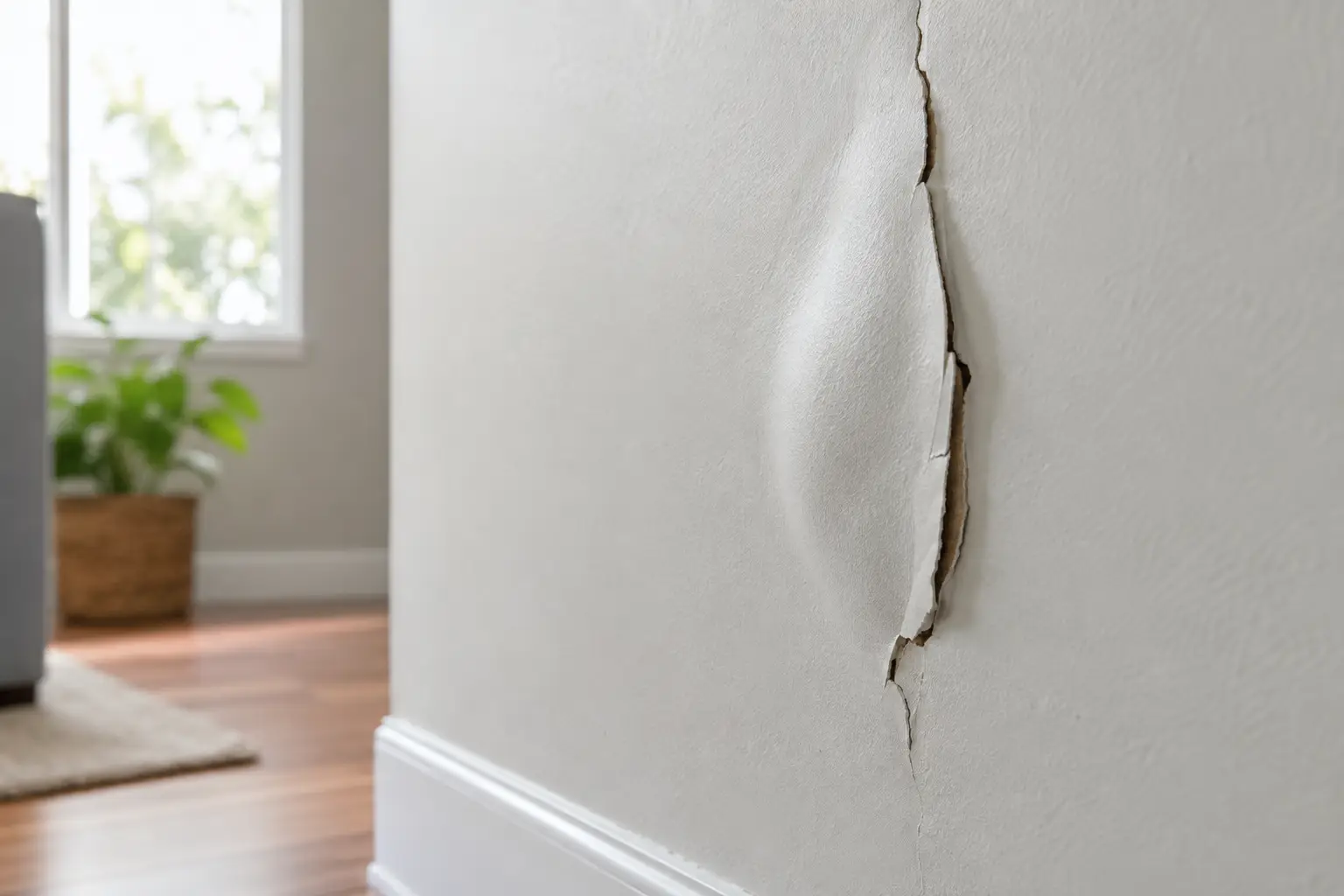
A wall that suddenly looks wavy, swollen, or pushed away from its framing is more than a cosmetic problem. Homeowners often ask why drywall buckles after spotting a bulge near the baseboard, a soft spot on the ceiling, or a seam that seems to be lifting. In most cases, the answer involves moisture - and the longer that moisture remains trapped, the more extensive the damage can become.
Drywall is designed to create a smooth, stable interior surface. It is not designed to withstand prolonged exposure to water or high humidity. When it absorbs moisture, its gypsum core and paper facing can swell, weaken, and lose their bond to the wall or ceiling structure. Quick action can help protect the rest of the property and prevent a smaller water issue from becoming a larger restoration project.
Why Drywall Buckles After Water Exposure
Drywall is made from gypsum pressed between layers of paper. That paper-facing material is especially vulnerable when water enters from a plumbing leak, roof leak, overflowing appliance, flood, or condensation source. As the drywall takes on water, it expands unevenly. The panel may bow outward, wrinkle, sag, or separate at joints and fasteners.
Buckling can happen quickly after a significant water event, but it can also develop gradually. A slow leak inside a wall may go unnoticed for weeks. By the time the surface looks distorted, the framing, insulation, flooring, and nearby materials may have been exposed as well.
Ceilings deserve particular attention. Water can collect above ceiling drywall after a roof leak or plumbing failure, causing the material to sag under added weight. A ceiling that is bubbling, drooping, or visibly swollen can become a safety concern. Avoid standing beneath it, do not attempt to puncture it without professional guidance, and keep people and belongings out of the affected area.
Common Causes of Buckled Drywall
A visible buckle tells you that something has changed behind or around the drywall. The exact cause matters because repair methods vary. Painting over the damage or pressing the drywall back into place will not resolve an active moisture source.
Hidden Plumbing Leaks
Leaks from supply lines, drainpipes, shower valves, refrigerators, water heaters, and HVAC equipment commonly affect drywall before homeowners see standing water. You may notice a small stain, peeling paint, a musty odor, or a soft section of wall before obvious buckling appears.
In El Paso homes, a leak can be especially deceptive because dry outdoor conditions may make indoor moisture problems seem less likely. However, plumbing leaks and appliance failures can still saturate enclosed spaces quickly. Dry air outside does not dry materials effectively when water is trapped inside a wall cavity.
Roof Leaks and Storm Damage
Roof damage, failed flashing, clogged drainage areas, or openings around vents can allow rainwater into attic spaces and ceilings. Even a short period of water intrusion can affect ceiling drywall. The damage may appear days later, once the paper surface begins to pull away or the gypsum core loses strength.
Air Conditioning Condensation
Air conditioning systems remove humidity from indoor air, and that moisture has to drain correctly. A clogged condensate line, damaged drain pan, or leaking air handler can send water into ceilings, walls, or closets. Because these leaks may occur while the system is running, they can continue unnoticed until drywall stains, softens, or buckles.
Flooding and Overflow Events
A burst pipe, toilet overflow, washing machine supply-line failure, or outdoor flooding can soak drywall from the bottom up. Drywall wicks water, meaning moisture can travel above the visible waterline. Baseboards may swell first, followed by bubbling paint, bowed walls, and damaged insulation behind the panel.
Water category also matters. Clean water from a broken supply line may be less contaminated at the source, but it still needs prompt extraction and drying. Water from sewage backups, toilet overflows, or flooding may contain contaminants and requires more careful removal and sanitation procedures.
Installation and Structural Movement
Moisture is the leading concern, but it is not the only reason drywall can buckle. Improper fastener spacing, insufficient framing support, poorly finished joints, or building movement can cause seams to crack or panels to shift. Seasonal temperature changes may make these issues more noticeable.
Still, when drywall is soft, stained, swollen, or accompanied by a musty smell, treat it as a moisture problem until proven otherwise. Structural movement typically causes cracks or separations, while water damage more often produces discoloration, softness, sagging, and distorted surfaces.
Signs the Problem Is More Than Surface Damage
A small ripple in drywall may look manageable, but the condition behind it can be more serious. Moisture can remain inside insulation, wood framing, and subfloor materials after the surface begins to dry. That trapped moisture can support mold growth and lead to continuing odors or deterioration.
Pay close attention if you see discoloration spreading, paint bubbling, baseboards pulling away, flooring lifting near the wall, or drywall that feels soft when lightly touched. A persistent musty smell is another warning sign. These conditions do not automatically mean mold is present, but they do warrant a thorough inspection.
For commercial property managers, buckled drywall may also affect occupied spaces, tenant comfort, and business operations. Water damage near electrical outlets, equipment rooms, kitchens, or inventory areas should be addressed quickly and documented carefully.
What to Do When You Notice Buckled Drywall
Your first priority is safety and stopping additional water from entering the area. If the cause is an active plumbing leak, shut off the water supply if you can do so safely. For a roof leak, move valuables away from the affected area and contain dripping water with a bucket if the ceiling is stable. If water is near outlets, switches, or electrical equipment, avoid contact and consider shutting off power to that area.
Do not assume a fan and open window will solve the problem. Surface drying can make a wall look better while moisture remains inside. Professional moisture detection and drying equipment help determine how far water traveled and whether materials can be dried in place or should be removed.
Avoid drilling, cutting, or tearing into a sagging ceiling yourself. The material may be holding a significant amount of water, and opening it without a controlled plan can create a larger mess or injury risk. The same caution applies to walls where contamination may be present from a sewage backup or floodwater.
Take clear photos before cleanup or repairs begin. Documentation can help support an insurance claim and provide a record of the affected areas. Then contact a qualified restoration professional who can identify the source, assess moisture, stabilize the affected materials, and explain the recommended next steps.
Can Buckled Drywall Be Repaired?
It depends on how much water the drywall absorbed, how long it remained wet, and what type of water caused the damage. Drywall that is only lightly affected and dried very quickly may sometimes be stabilized and refinished. But drywall that is swollen, soft, crumbling, sagging, or contaminated is usually safer to remove and replace.
Removing damaged drywall is not simply about appearance. It allows technicians to inspect the wall cavity, dry framing and insulation, check for microbial growth, and confirm that the underlying area is ready for reconstruction. Replacing drywall before the cavity is fully dry can trap moisture and create repeat problems.
A full-service restoration approach keeps this process organized: emergency water mitigation first, careful removal of unsalvageable materials, professional drying and monitoring, then reconstruction once conditions are stable. GEM Disaster Recovery Corp helps El Paso property owners through that entire process, including documentation that can make insurance coordination less overwhelming.
Preventing Future Drywall Damage
Routine maintenance cannot prevent every emergency, but it can reduce the risk of hidden water damage. Check under sinks and around appliances for drips, inspect water heater connections, watch for HVAC drainage problems, and address roof issues before the next storm. If a water bill rises unexpectedly or you hear water running when fixtures are off, investigate promptly.
After any leak or overflow, do not wait for staining to appear. Water may already be moving through drywall, insulation, and flooring. Fast mitigation gives affected materials the best chance of being saved and helps protect the health, safety, and comfort of everyone in the property.
Buckled drywall is your property asking for attention. Address the water source, protect the area, and get a professional assessment before a visible ripple turns into a larger repair.