What Sewage Backup Insurance May Cover at Home
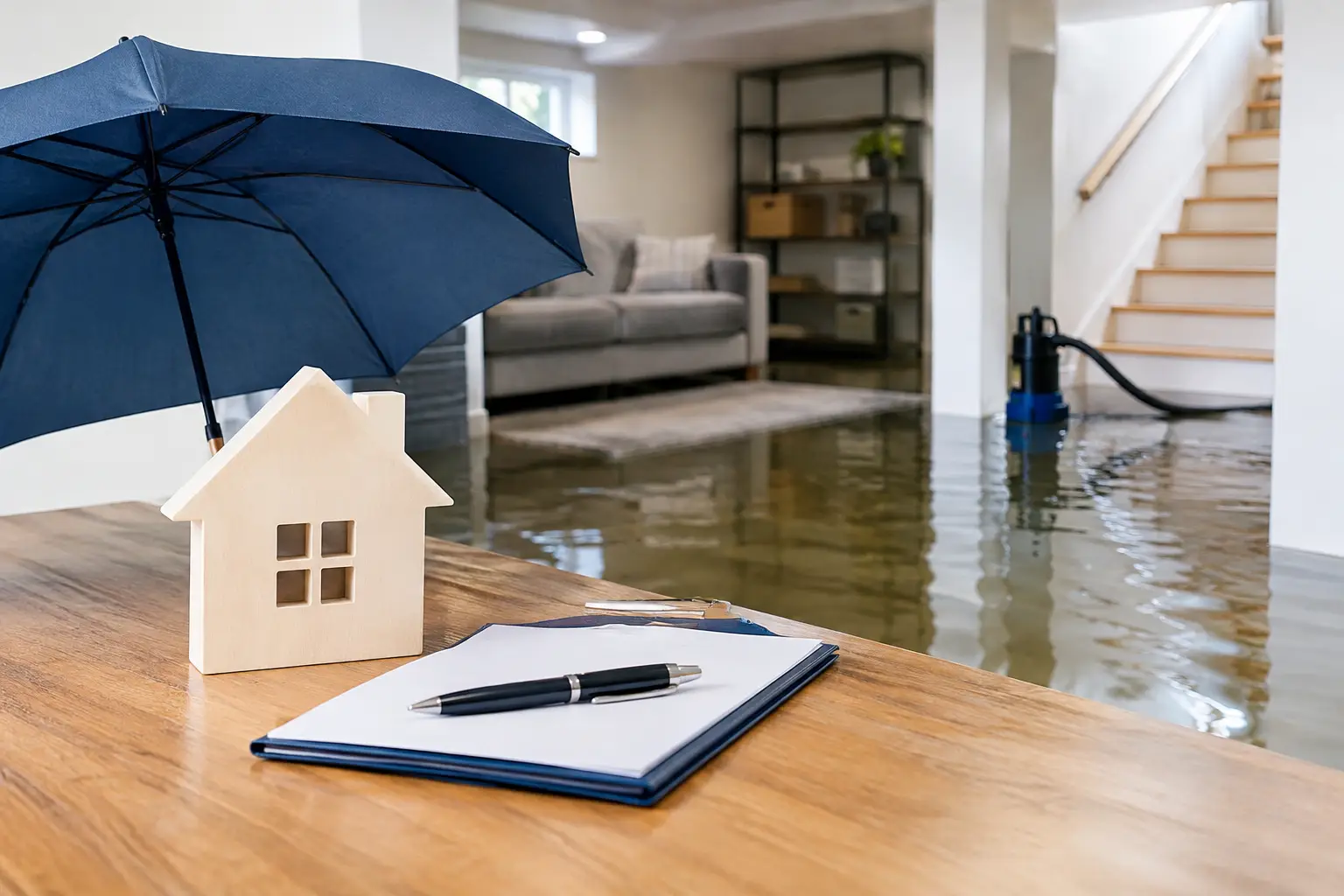
A sewage backup is not ordinary water damage. When wastewater rises through a shower drain, toilet, sink, or floor drain, it can carry bacteria, viruses, and contaminants into the places where your family lives or your team works. Sewage backup insurance may help with the financial side of that crisis, but only if your policy includes the right protection before the loss occurs.
For El Paso homeowners, property managers, and business owners, the difference can be significant. Standard property policies often cover sudden water damage from certain plumbing failures, but they commonly limit or exclude damage caused by water or sewage backing up through drains or sewers. The wording matters, as does the cause of the backup.
What sewage backup insurance typically covers
Sewage backup insurance is usually an optional endorsement added to a homeowners, commercial property, or renters policy. It may be labeled water backup coverage, sewer backup coverage, or drain backup coverage. The purpose is similar: to help pay for covered damage when water or sewage reverses direction and enters the property through an interior drain, sewer line, sump system, or related connection.
When coverage applies, it may help pay to clean and disinfect affected areas, remove contaminated materials, dry the structure, and repair covered finishes such as flooring, drywall, baseboards, cabinets, and insulation. It can also apply to damaged personal property, although policy limits and depreciation rules may affect the final payment.
For a business, the loss may extend beyond a restroom or break room. Contamination can affect inventory, records, equipment, tenant spaces, and areas that must remain closed until they are professionally cleaned. Some commercial policies offer related business interruption coverage, but it is not automatic. Property owners should ask their insurance professional how a water backup endorsement works with the rest of their policy.
Coverage limits are especially important. A policy might provide $5,000, $10,000, or $25,000 in water backup protection, while a major cleanup and reconstruction project can exceed that amount. A finished basement, ground-floor office, or property with extensive flooring and built-in cabinetry may need a higher limit than a home with limited exposed finishes.
What sewage backup insurance may not cover
No two policies are identical, and insurance coverage depends on the policy language, the source of the water, and the circumstances of the loss. Still, several exclusions come up often.
A water backup endorsement may not cover damage caused by flooding from outside the building. If heavy rain enters through doors, windows, or a foundation opening, that may be considered flood damage rather than sewer backup. Flood insurance is usually separate coverage.
It may also exclude damage caused by neglected maintenance, repeated seepage, an unrepaired plumbing condition, or a known drainage issue. For example, if roots have repeatedly blocked a private sewer lateral and the owner has delayed repairs, the insurer may examine whether wear, deterioration, or lack of maintenance contributed to the loss.
Damage to the sewer line itself can be another gray area. A backup endorsement may pay for resulting interior damage without paying to repair or replace the failed line outside the building. Service line coverage, if available, is often a separate endorsement. Ask specifically about the private sewer lateral, cleanout, roots, collapse, and excavation costs rather than assuming one endorsement handles all of them.
Mold is another situation that requires a close reading. Mold resulting directly from a sudden covered backup may be addressed up to a policy sublimit, but mold that develops because cleanup was delayed or moisture remained hidden may face limitations. Fast professional mitigation protects both the building and the documentation needed for a claim.
The cause of the backup changes the claim
The phrase “sewage backup” describes what happened inside the property, not necessarily why it happened. That distinction affects insurance decisions.
A backup can result from a clogged private sewer line, a municipal sewer overload, a failed sump pump, a broken plumbing line, or a blockage caused by roots, grease, wipes, or foreign materials. An overflowing toilet can also be classified differently depending on whether the issue was contained to the fixture or involved a drain-line backup.
If a city sewer system contributes to the loss, there may be additional questions about municipal responsibility. That does not mean an immediate payment will be available from the city, and it should not delay emergency cleanup. Preserve records, photographs, invoices, and any notices related to the event. Your insurer can evaluate your policy while you explore other potential avenues of recovery.
What to do when sewage enters your property
Safety comes before salvage. Do not walk through contaminated water without proper protective equipment, and do not allow children, customers, employees, or pets into the affected area. If water is near electrical outlets, appliances, or the electrical panel, avoid touching anything and turn off power only if it is safe to do so.
Take clear photos and video from a safe location before moving items. Capture the source area, standing water, affected rooms, damaged belongings, and any visible sewage. Then contact your insurer to report the loss and confirm the next steps under your policy.
Professional cleanup should begin quickly. Category 3 water, which includes sewage-contaminated water, requires more than mopping and air drying. Porous materials such as carpet padding, insulation, upholstered furniture, and some drywall may need removal because contamination can remain below the surface. Hard surfaces require proper cleaning, disinfection, and drying, while moisture readings help confirm that hidden building materials are not left wet.
Avoid throwing away major damaged items until they have been documented and your insurer has had an opportunity to advise you. At the same time, do not leave contaminated materials in place simply because you are waiting for a claim decision. Emergency mitigation is meant to stop further damage and reduce health risks. Keep every invoice, estimate, photo, and communication connected to the loss.
For property managers and business owners, document operational impacts as well. Record closed areas, canceled appointments, tenant notices, employee hours, damaged stock, and temporary relocation costs. These details can matter if your policy includes business income or extra expense coverage.
How to choose the right coverage before a loss
The best time to review sewage backup insurance is when the drains are working normally. Start by finding the water backup limit on your current declarations page. If there is no separate limit or endorsement listed, ask your agent whether sewer and drain backup is excluded.
Then consider the property’s actual exposure. Older plumbing, mature trees near underground lines, low-lying rooms, finished basements, frequent drain slowdowns, and commercial restrooms all increase the potential cost of a backup. A higher coverage limit may cost more in premium, but it can be modest compared with replacing contaminated flooring, drywall, furnishings, and equipment.
Ask about deductibles, sublimits for mold or personal property, sewer line repair coverage, sump pump failure, and whether replacement cost applies to damaged contents. Homeowners should also ask whether landscaping, exterior cleanup, or temporary living expenses could be covered in a severe event. Business owners should confirm how a backup affects business income and extra expense protection.
Preventive maintenance still matters, even with strong insurance. Have recurring slow drains evaluated, avoid flushing wipes and other non-flushable products, keep grease out of drains, and consider a licensed plumber’s inspection if the property has a history of backups. A backwater valve may help in some situations, but suitability depends on the plumbing layout and local code requirements.
When contaminated water enters a building, the goal is not simply to make the room look clean. The goal is to stabilize the property, remove hazards, document the damage, and restore a safe environment. GEM Disaster Recovery Corp provides 24/7 emergency response in El Paso to help property owners move from urgent cleanup through restoration and reconstruction with clear, compassionate support.
A sewage backup can feel overwhelming within minutes. Knowing what your policy says now, and knowing who to call when conditions are unsafe, gives you a practical path forward when the unexpected happens.