What Causes Walls to Warp? Signs to Act On
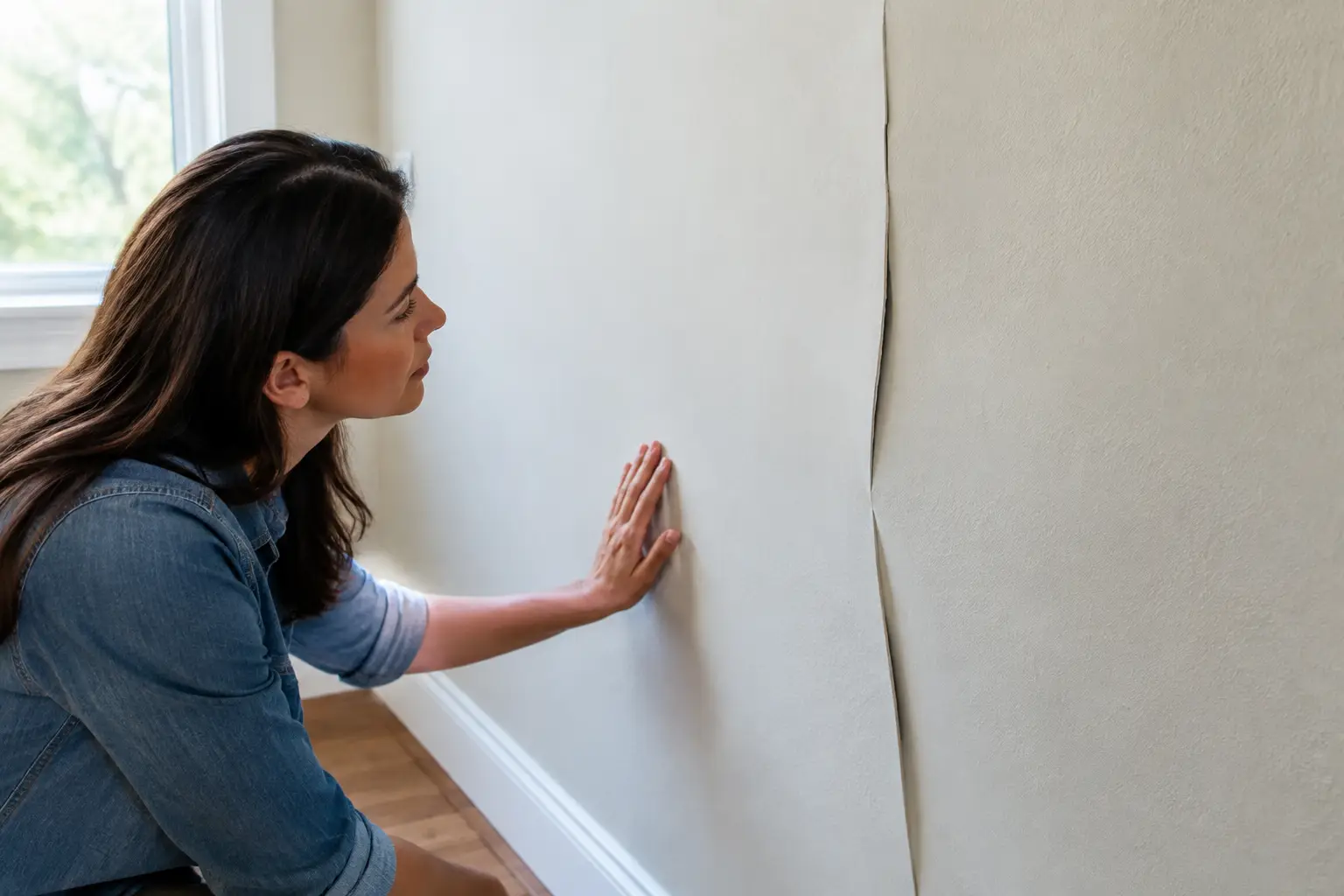
A wall that once looked straight can begin to bow, ripple, bulge, or pull away from trim surprisingly quickly. Sometimes the change is subtle: a baseboard no longer sits flush or a door suddenly sticks. Other times, drywall feels soft, paint bubbles, and the wall appears visibly swollen. Knowing what causes walls to warp can help you respond before a localized issue becomes a larger restoration project.
In many cases, warped walls point to moisture that has entered the wall system. The source may be a burst pipe, roof leak, appliance failure, overflowing fixture, fire suppression discharge, or water intrusion after severe weather. Structural movement and heat damage can also change the shape of a wall. The key is not to treat warping as a cosmetic problem until the underlying cause has been identified and addressed.
What Causes Walls to Warp Most Often?
Walls are made of layers that react differently to water, heat, pressure, and movement. Drywall, wood framing, insulation, paint, fasteners, and trim can all be affected. When one layer expands, weakens, shifts, or separates from another, the finished wall may no longer remain flat.
Hidden water leaks
A slow plumbing leak is one of the most common reasons for a warped interior wall. Water lines, drainpipes, refrigerator lines, bathrooms, laundry areas, and HVAC equipment can leak behind finished surfaces without creating an immediate puddle. By the time staining or bulging is visible, drywall and insulation may have been wet for some time.
Drywall is especially vulnerable because its gypsum core and paper facing absorb moisture. It can swell, lose rigidity, and develop a soft or uneven texture. Wet insulation may hold moisture against framing, extending the damage beyond the surface you can see.
A leak does not need to be dramatic to cause real damage. A small, persistent drip inside a wall cavity can saturate materials over days or weeks. That is why a musty odor, peeling paint, damp baseboards, or a wall that feels cooler than surrounding areas deserves prompt attention.
Water intrusion from roofs, windows, or exterior walls
Water can also enter from outside. Damaged roofing, flashing failures, cracked stucco, deteriorated sealant, clogged drainage, and gaps around windows or doors can direct water into wall assemblies. In El Paso, a heavy rain event can expose vulnerabilities that stayed hidden during dry weather.
Exterior water intrusion often creates warping near ceilings, window corners, exterior-facing walls, or lower wall sections where water has traveled downward. The visible spot is not always where the water entered. Moisture can follow framing, wiring, or gravity before appearing somewhere else, which makes thorough moisture assessment and controlled drying so valuable.
Flooding and major water events
After a pipe burst, toilet overflow, supply-line failure, or storm-related intrusion, walls can absorb water rapidly. The longer materials remain wet, the more likely drywall is to swell, delaminate, or crumble. Wood components can also absorb moisture and expand.
A wall may look acceptable shortly after the event, then begin to warp as moisture migrates through the materials. Fast water mitigation helps limit this progression by removing standing water, extracting moisture from affected materials, and drying the structure under controlled conditions. Waiting for a wall to dry on its own can leave moisture trapped where it is difficult to see.
High humidity and poor ventilation
Humidity alone is less likely to create dramatic wall distortion than a direct leak or flood, but prolonged moisture exposure can still contribute to damage. Bathrooms without effective ventilation, laundry areas, kitchens, and spaces with HVAC or evaporative cooler issues may experience repeated condensation.
Over time, recurring moisture can weaken paint, cause drywall joints to show, and make trim swell or separate. This is often a gradual problem, but it should not be ignored. Addressing ventilation and moisture control is part of preventing the same damage from returning after repairs.
Structural movement or settling
Not every warped wall is caused by water. Foundation settlement, shifting soils, framing movement, or changes in a building’s load can create cracks, bowed surfaces, and gaps around doors and windows. Newer homes can experience minor settling, but widening cracks, uneven floors, repeated door problems, or major wall displacement may point to a more serious structural concern.
The distinction matters. A water-damaged wall may feel soft, stained, swollen, or damp. A movement-related issue may show diagonal cracks, separation at joints, or persistent changes around openings without obvious moisture. In some situations, both are present: water can damage framing while structural movement opens pathways for additional water intrusion.
Fire and heat exposure
Fire damage can also warp walls. Heat may weaken drywall, distort metal components, damage framing, and cause finishes to blister or separate. Even if flames did not reach a wall directly, high temperatures, smoke residue, and firefighting water can affect the materials behind the surface.
After a fire, it is wise to treat bowed or damaged walls as part of the larger restoration scope rather than attempting a surface-only repair. The wall may require cleaning, drying, removal of compromised materials, and reconstruction depending on the extent of the damage.
Installation issues and aging materials
Occasionally, wall warping is tied to poor installation, inadequate fastening, improper joint work, or materials that have aged and shifted over time. Thin panels can bow if they were stored improperly before installation or installed over an uneven substrate. Wood paneling and trim may also move with seasonal moisture changes.
These issues are usually less urgent than active water damage, but they still need an accurate diagnosis. Covering a bowed wall with new paint or texture will not correct an active leak, damaged framing, or loose materials beneath it.
Warning Signs a Warped Wall Needs Immediate Attention
A wall that is visibly bowed should be taken seriously, particularly if the change appeared quickly. Some signs call for faster action because they may indicate trapped water, an active leak, or compromised materials:
- A bulge that feels soft, damp, or increasingly large
- Water stains, bubbling paint, peeling wallpaper, or crumbling drywall
- A persistent musty odor near the affected area
- Water dripping from a wall, ceiling, outlet, or light fixture
- Sagging ceilings, loose trim, or doors that suddenly will not close properly
- Smoke odor, soot, or blistering after a fire event
If water is near electrical outlets, switches, fixtures, or appliances, avoid touching those components. If it is safe to do so, turn off the water source or main supply and contact a qualified restoration team. Do not puncture a bulging wall to release water. That can cause an uncontrolled release, spread contaminated water, damage electrical components, and create a larger cleanup problem.
Why Drying the Wall Surface Is Not Enough
One of the costliest mistakes after water damage is assuming a wall is dry because the paint no longer feels wet. Moisture can remain inside insulation, behind baseboards, within framing, and beneath flooring at the wall edge. A fan pointed at the room may help air circulation, but it cannot reliably dry concealed materials or document whether the affected area has reached appropriate drying conditions.
Professional water mitigation focuses on the full assembly, not just the visible finish. Depending on the source and extent of damage, the process may include moisture detection, water extraction, controlled drying equipment, selective removal of unsalvageable materials, cleaning, and detailed documentation for the property owner and insurance claim. The goal is to stabilize the loss, reduce secondary damage, and prepare the structure for proper repair.
Whether drywall can be saved depends on several factors: how long it was wet, how saturated it became, the category of water involved, and whether it has lost structural integrity. A clean-water leak caught quickly may allow more materials to be dried and preserved. A wall exposed to contaminated water or prolonged saturation often requires removal of affected components for safety and lasting repairs.
What to Do When You Notice a Warped Wall
Start by looking for immediate hazards. Move furniture, electronics, and valuables away from the area if it is safe. Place a container under active drips, but do not stand beneath a sagging ceiling or disturb swollen drywall. If you know the source is a plumbing leak, shut off the local valve or main water supply when possible.
Take clear photos and videos before moving damaged items. Documentation can help establish the condition of the property and support conversations with your insurance carrier. Then arrange for prompt mitigation. The sooner moisture is controlled and drying begins, the better the chance of limiting damage to walls, floors, cabinets, and personal property.
For homeowners and property managers in El Paso, GEM Disaster Recovery Corp provides 24/7 emergency response for water damage, fire and smoke damage, and reconstruction needs in Texas. With 20 years of combined hands-on experience, the team can help stabilize the property, document the damage, coordinate with insurance, and guide the restoration process through rebuilding.
A warped wall is your property telling you something has changed behind the surface. Acting early gives you more options, protects the areas around the damage, and helps restore your space with less disruption.