Water Damage Restoration Review That Builds Trust
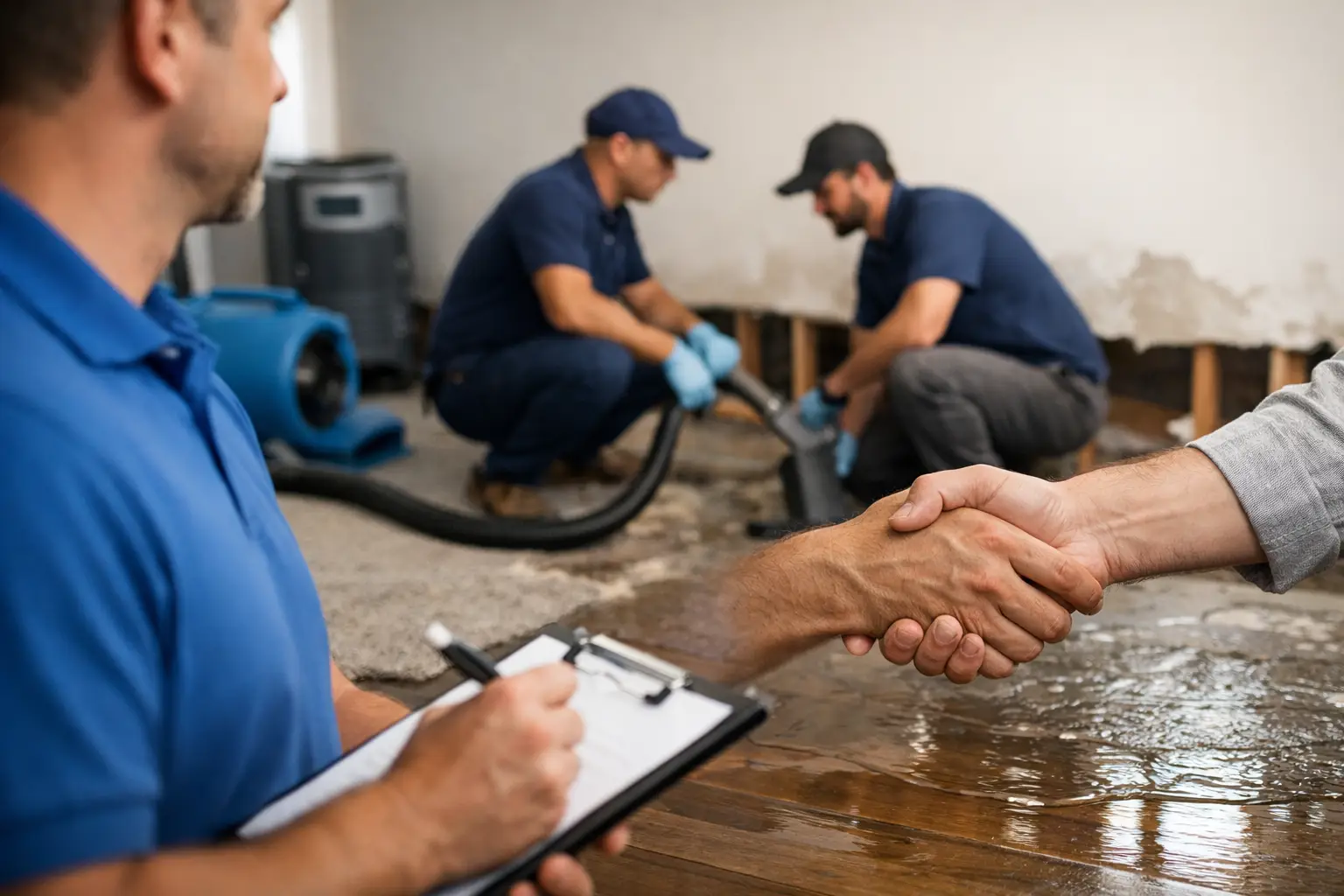
A flooded bathroom, burst supply line, or roof leak does not leave much room for guesswork. When you search for a water damage restoration review, you are usually trying to answer one urgent question: Can this company protect my property and make this situation less overwhelming?
Star ratings matter, but they are only the starting point. A useful review tells you how a restoration team behaved when a customer was stressed, whether they arrived when they said they would, and whether the work held up after the equipment was removed. For El Paso homeowners, property managers, and business owners, the best reviews point to a company that can stabilize the loss quickly, communicate clearly, and see the job through to reconstruction when needed.
What a water damage restoration review should tell you
Water damage restoration is not a single task. It is a chain of decisions that begins the moment water enters a building. The source must be stopped or isolated, standing water removed, affected materials evaluated, moisture measured, and the structure dried before repairs begin. If any part of that process is rushed or poorly documented, a property may face lingering odors, material damage, or mold growth later.
That is why the most helpful customer feedback includes details. Look beyond comments such as “great service” and pay attention to what the customer says happened. Did the crew respond after hours? Did they explain which materials could be saved and which had to be removed? Did they provide updates while drying equipment was running? Did they help the customer understand the insurance process without making unrealistic promises?
A dependable review often describes a calm, organized experience during a difficult event. It may mention that technicians arrived prepared, protected unaffected areas, documented the damage, and treated the home or business with respect. Those details reveal more than a five-star rating ever could.
Response time matters, but so does the first hour of work
Fast response is essential because water keeps moving. It can wick into drywall, travel below flooring, soak insulation, and affect adjacent rooms that may not look damaged at first. In a commercial property, a small leak can also interrupt operations, create slip hazards, or affect inventory and equipment.
Still, speed alone is not enough. A company can arrive quickly and still miss hidden moisture or remove materials unnecessarily. Strong reviews should reflect both urgency and sound judgment. Customers may describe technicians using moisture-detection tools, setting up containment where appropriate, or explaining why a wall section, cabinet toe kick, or flooring area needed further evaluation.
Ask yourself whether the review shows a team that acted with purpose. The right provider should not leave you wondering what the equipment is doing, why a room is closed off, or when the next update will come. Clear explanations are part of professional restoration, especially when your normal routine has been disrupted.
Look for evidence of 24/7 readiness
Water losses rarely happen on a convenient schedule. Reviews that mention help on weekends, overnight, or during holidays can be meaningful, particularly if the customer also describes prompt arrival and a well-managed first visit. A true emergency response includes more than answering the phone. It means having trained people, extraction equipment, drying tools, and a process ready to go.
For property managers, this distinction is especially important. Tenants need reassurance, owners need documentation, and the building needs immediate protection. A restoration company should be able to communicate with the right parties while keeping mitigation moving forward.
Pay attention to communication and documentation
Many frustrations in restoration are not caused by the water itself. They come from unanswered calls, confusing estimates, or a customer learning too late that a repair is outside the original scope. Reviews that mention frequent communication are worth noticing because good communication usually reflects good project management.
A professional team should explain the immediate mitigation plan, identify visible and potential hidden damage, and discuss what happens next. As drying progresses, technicians should monitor moisture levels rather than simply waiting a set number of days. Once the property is dry and stable, the repair or reconstruction phase should be clearly defined.
Documentation is equally important. Photos, moisture readings, itemized notes, and records of affected areas can support an insurance claim and help everyone understand the scope of work. No restoration company can guarantee an insurer’s final decision, but an experienced provider can make the process easier by documenting conditions carefully and communicating in a straightforward way.
When reading feedback, favor reviews that describe honesty. A customer who says the company set realistic expectations, answered questions directly, or helped them understand options is describing a service partner, not just a cleanup crew.
Thorough drying is the part you cannot always see
A room can look dry long before it actually is dry. Carpet may feel normal while the pad beneath it remains wet. A ceiling stain may stop spreading while moisture stays trapped in the cavity above. This is where experienced restoration work makes a real difference.
Positive reviews often refer to professionalism, but look for signs that the team completed the technical work behind that word. Did they check for moisture beyond the obvious area? Did they return to monitor drying progress? Did they protect clean, dry portions of the property? Did they remove drying equipment only after measurements showed that materials had reached an acceptable condition?
There are trade-offs. In some cases, fast extraction and controlled drying can save flooring, drywall, or contents. In other cases, contaminated water, prolonged saturation, or material deterioration makes removal the safer choice. A trustworthy provider explains that difference instead of applying the same solution to every loss.
Be cautious with reviews that promise miracles
No one wants to hear that a beloved floor, cabinet, or piece of furniture cannot be saved. But a company that promises to save everything before inspecting the damage may be setting you up for disappointment. Water category, duration of exposure, material type, and pre-existing conditions all affect what can be restored.
The best feedback usually reflects a balance of compassion and realism. Customers may not be happy about every necessary removal, but they should feel they were treated fairly, given a clear reason, and supported through the next stage of work.
Consider the full path from mitigation to rebuilding
Water mitigation stops ongoing damage. Restoration returns the property to its intended condition. Those phases are connected, yet not every company handles both. If the same provider can manage cleanup, drying, repairs, and reconstruction, you may avoid the stress of coordinating several vendors while your home or business is already disrupted.
This can be especially valuable after a larger loss involving drywall, flooring, cabinetry, paint, electrical components, or structural repairs. One accountable team can carry forward the documentation from the emergency work, coordinate the repair plan, and keep you informed from start to finish.
A water damage restoration review should therefore mention more than the initial extraction visit when possible. Look for customers who describe how the company handled follow-up, repairs, schedule changes, and final details. Did the work area stay orderly? Were concerns addressed? Did the team remain responsive after the fans came down?
For El Paso property owners, a local, family-owned provider can add another layer of accountability. GEM Disaster Recovery Corp brings 20 years of combined hands-on experience to emergency mitigation, insurance coordination, and complete rebuilding, helping customers avoid the burden of managing a crisis alone.
Questions to ask before you hire
Reviews can narrow your choices, but a short conversation can confirm whether a company is right for your situation. Ask whether they are available for immediate response, how they assess hidden moisture, and how often they monitor drying. Ask who will communicate with your insurance adjuster and whether they can handle reconstruction after mitigation is complete.
You can also ask what the first visit will involve. A clear answer should include inspection, safety considerations, water extraction or containment as needed, moisture evaluation, documentation, and a plan for the next steps. If the response feels vague, rushed, or focused only on a low initial price, keep looking.
Water damage is disruptive, but the right restoration partner brings order to the first chaotic hours. Choose the company whose reviews show not only fast action, but careful work, honest communication, and the willingness to stay with you until your property feels like yours again.