Repair vs Replace Smoke Damaged Materials
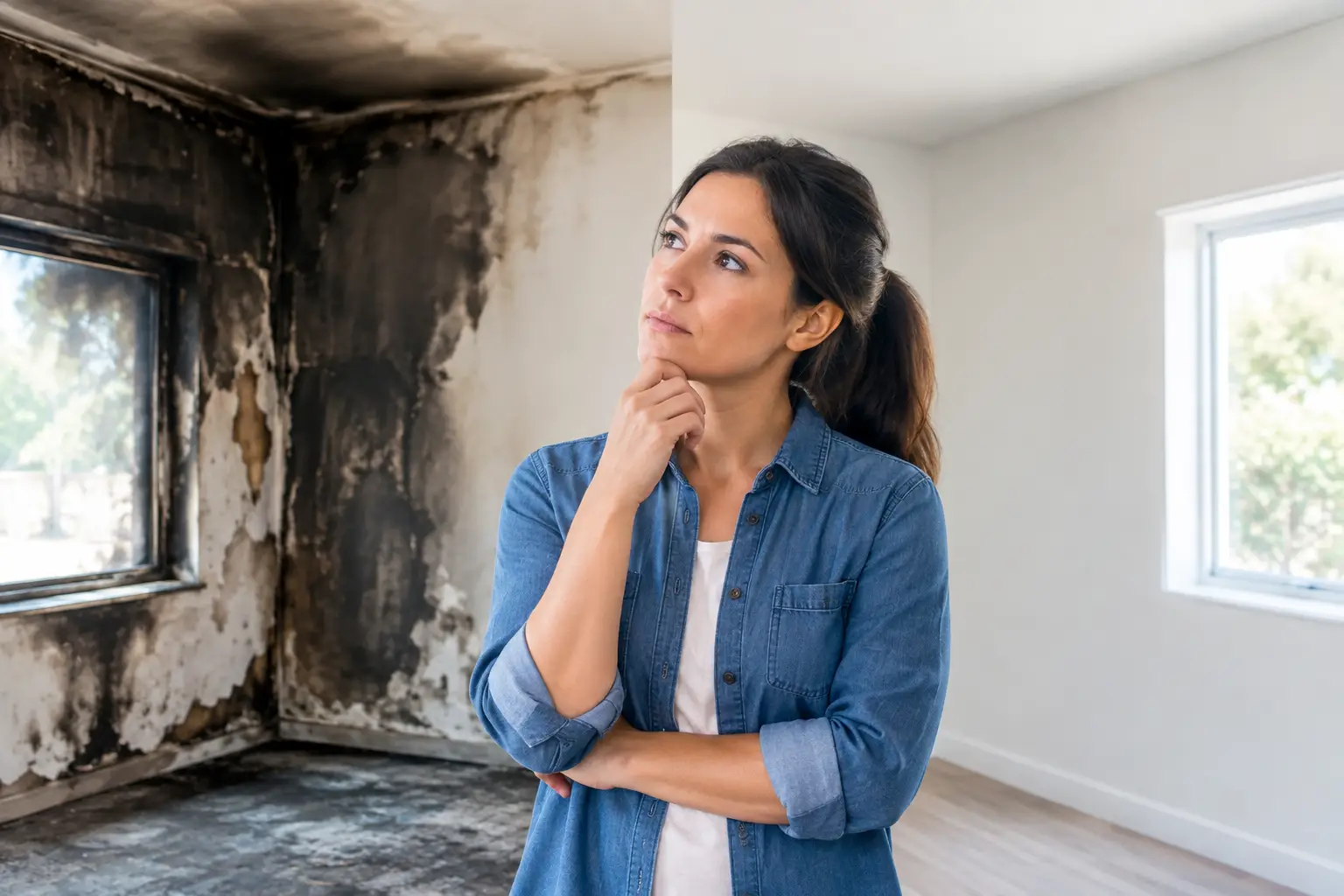
A fire can leave behind far more than visible char. Soot settles into walls, cabinets, fabrics, air ducts, and electronics, while smoke odor can travel well beyond the room where the fire started. Deciding whether to repair vs replace smoke damaged materials is not a cosmetic choice. It affects indoor air quality, safety, insurance documentation, project cost, and how fully your home or business can recover.
The right answer is rarely "replace everything" or "clean everything." A qualified restoration team evaluates the material, the type of smoke, the extent of heat and moisture exposure, and whether cleaning can return the item to a safe, functional condition. That careful approach helps protect what can be saved while avoiding repairs that only hide a deeper problem.
What Determines Whether Smoke-Damaged Materials Can Be Saved?
The first question is not whether an item looks dirty. It is whether smoke contamination has penetrated it and whether the material can be properly cleaned, deodorized, and restored.
Nonporous materials, such as metal, glass, tile, sealed stone, and many hard plastics, are often good candidates for restoration. Their smooth surfaces allow technicians to remove soot residues without driving contamination deeper into the material. Cabinets, trim, doors, and finished wood may also be repairable if heat did not warp them and the smoke did not penetrate through damaged finishes.
Porous materials require a closer evaluation. Drywall, insulation, carpet padding, upholstered furniture, mattresses, unfinished wood, acoustic ceiling tiles, and paper products can absorb smoke particles and odor. Even when their surfaces appear clean, embedded soot and odor compounds may remain. In some cases, professional cleaning and specialized odor treatment can save these materials. In others, replacement is the more reliable and healthier option.
Heat damage changes the decision quickly. Materials that have warped, melted, cracked, blistered, lost structural strength, or been affected by firefighting water may need to be removed regardless of how clean they look. Smoke restoration is not just surface cleaning. It is a safety-focused process.
Repair vs Replace Smoke Damaged Materials: A Room-by-Room View
Every fire loss is different, but a room-by-room assessment gives property owners a practical way to understand why some materials are saved and others are removed.
Walls, ceilings, and insulation
Painted walls and ceilings with light to moderate soot may be cleaned, sealed, and repainted. The cleaning method matters. Improper wiping can smear oily soot into the paint film, making staining and odor worse. Restoration technicians use the appropriate dry cleaning, wet cleaning, or chemical sponge methods based on the residue involved.
Drywall may be repairable when contamination is limited to the finished surface. However, replacement is often recommended when smoke has entered wall cavities, drywall has absorbed heavy odor, or water from suppression efforts has caused swelling or deterioration. Insulation is commonly replaced after a significant fire because it can trap odor and contaminants that are difficult to remove completely.
Flooring and carpeting
Hard flooring can frequently be restored when it has not suffered heat damage. Tile, concrete, vinyl, and some sealed wood floors can be cleaned and deodorized effectively. Hardwood needs special attention because heat, water, and soot can affect both the finish and the boards beneath it. A floor may be refinished in some cases, while buckled or deeply charred sections require replacement.
Carpet is more complicated. Light smoke exposure may be addressed with professional cleaning and odor treatment, particularly if the carpet is newer and the backing remains stable. Heavy soot, protein smoke, water contamination, or odor embedded in the carpet pad usually points toward replacement. Saving the carpet while leaving contaminated padding underneath can leave the building with persistent odor.
Cabinets, furniture, and personal belongings
Solid wood furniture, metal furniture, glass, dishes, and many durable household items can often be cleaned and restored. Electronics may also be salvageable, but they should be evaluated before being powered on. Soot is conductive and corrosive, and turning on a contaminated device can cause additional damage.
Upholstered furniture, mattresses, books, photographs, clothing, and soft goods depend on the severity and type of smoke exposure. Dry smoke may be easier to remove than sticky, oily residues from synthetic materials or heavy protein smoke from a kitchen fire. Sentimental items deserve careful handling, but preservation should not come at the expense of safety or lasting odor problems.
HVAC systems and ductwork
A heating and cooling system can spread smoke particles throughout a property. If the HVAC system was operating during the fire, ductwork, vents, filters, and equipment should be inspected as part of the restoration scope. Replacing filters alone may not address contamination inside the system.
Cleaning, sealing, or replacing affected HVAC components depends on what entered the system and how far it traveled. Addressing this early helps prevent smoke odor from returning after walls are painted and floors are replaced.
The Type of Smoke Matters
Not all soot behaves the same way. A small fire involving paper or untreated wood may leave a dry, powdery residue that is more responsive to professional cleaning. A fire involving plastics, electronics, synthetic fabrics, or petroleum-based products can create oily, acidic soot that clings to surfaces and causes corrosion.
Kitchen fires often produce protein residue that can be nearly invisible at first but leaves a strong, unpleasant odor. It may settle on surfaces far from the kitchen and become more noticeable as temperatures rise. Because the residue type affects the cleaning method and restoration outcome, a visual inspection alone is not enough to make a repair-or-replace decision.
Why Fast Action Protects More Materials
Soot begins causing damage soon after a fire. Acidic residues can discolor metals, etch glass, stain painted surfaces, and corrode electronics. Water left behind after firefighting can create a second emergency by soaking building materials and increasing mold risk.
Before cleanup begins, make sure the property is safe to enter and wait for clearance from the fire department or other appropriate authorities. Avoid touching soot-covered walls, washing fabrics at home, using household vacuums on soot, or turning on smoke-exposed electronics. These actions can spread contamination or permanently set stains.
Professional stabilization may include board-up services, temporary roof protection, water extraction, controlled demolition of unsalvageable materials, and documentation of affected contents. Fast, organized mitigation often saves more than it costs because it limits corrosion, odor migration, and secondary water damage.
Insurance Documentation Should Support the Decision
Insurance coverage and policy limits vary, but documentation is valuable whether materials are repaired or replaced. Photographs, room-by-room notes, moisture readings, cleaning records, and itemized contents inventories help show the full scope of loss.
Do not discard damaged materials before they have been documented unless they present an immediate safety or health concern. Your restoration professional can help identify what should be photographed, inventoried, stored, cleaned, or removed. Clear documentation also helps prevent confusion when the reconstruction phase begins.
For commercial properties, the decision should account for business interruption as well. Restoring durable fixtures and equipment may reduce downtime, but replacement may be smarter when a repaired item cannot reliably return to safe operation or meet code requirements.
A Better Standard Than "Looks Clean"
The goal after a fire is not to make a room appear presentable for a few days. It is to return the property to a safe, stable condition without lingering soot, odor, corrosion, or hidden moisture. That requires testing the materials, understanding how smoke moved through the structure, and choosing methods that fit the actual damage.
At GEM Disaster Recovery Corp, the work begins with stabilization and a clear explanation of what can be restored, what should be removed, and why. From emergency cleanup through reconstruction and insurance coordination, property owners deserve one dependable team that treats both the damage and the disruption with care.
If smoke has affected your El Paso home or business, protect the materials that can be saved by having the loss assessed promptly. A careful decision made early can preserve valuable property, reduce unnecessary replacement, and give you a cleaner path back to normal.