Reconstruction After Property Damage Guide
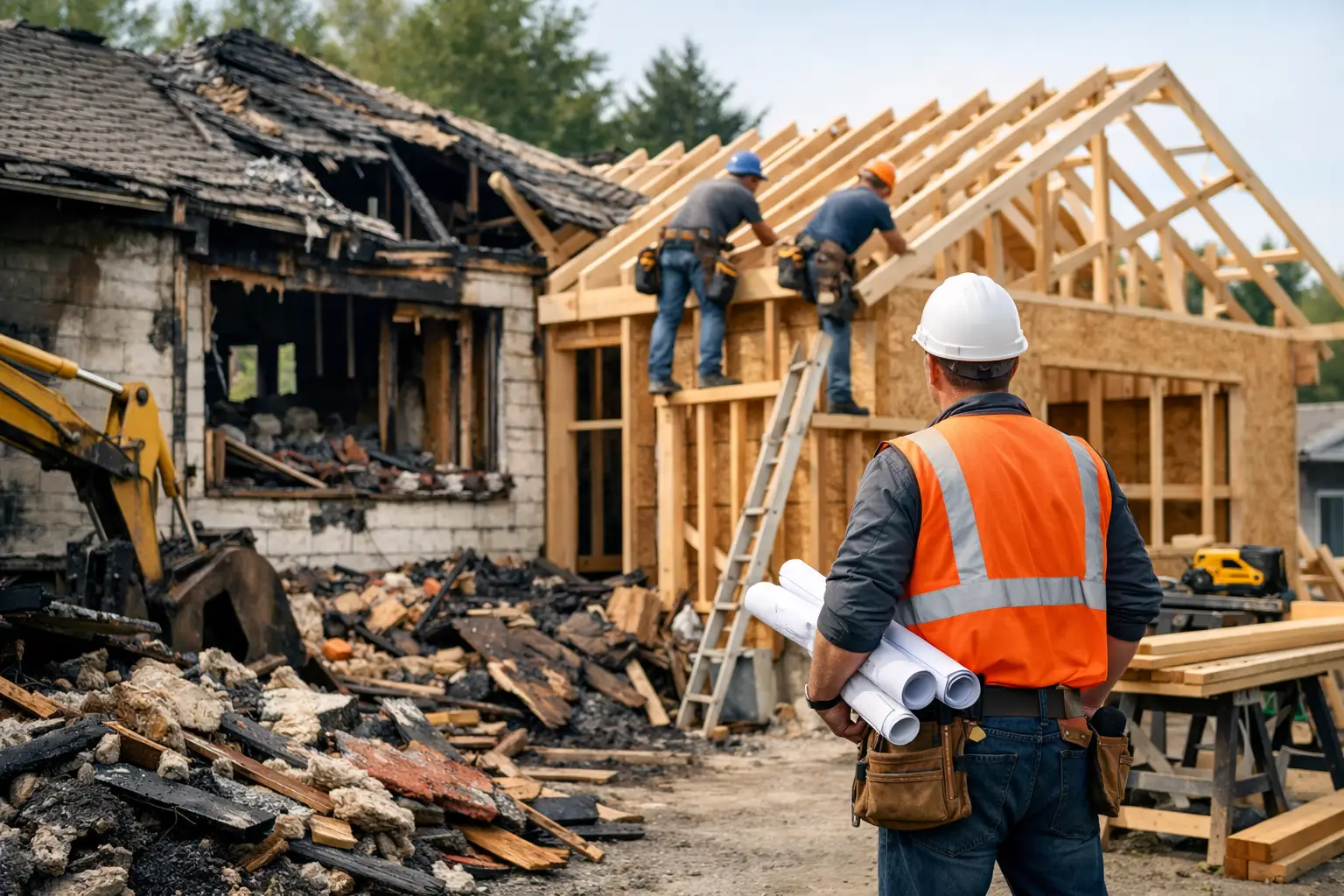
A burst supply line can leave more than soaked drywall behind. A fire can turn a familiar room into a place that feels unsafe. Once emergency cleanup is underway, property owners face a new set of decisions: What must be rebuilt, who is responsible for each step, and how can repairs move forward without creating new problems? This reconstruction after property damage guide explains how to move from stabilization to a safe, durable rebuild.
Reconstruction is not simply cosmetic repair. It is the final phase of a larger recovery process that begins with protecting people, stopping ongoing damage, and documenting conditions for the insurance claim. When those earlier steps are handled correctly, rebuilding is more predictable. When they are rushed or skipped, a fresh coat of paint can conceal moisture, smoke residue, or structural concerns that return later at a much higher cost.
Start Reconstruction Only After the Property Is Stable
The desire to put things back together quickly is understandable. For a homeowner, every day without a functioning kitchen, bathroom, or bedroom creates pressure. For a business, a closed or partially usable space can mean lost revenue and disruption for employees and customers.
Still, reconstruction should begin only after the source of damage has been addressed. With water damage, that means stopping the leak or intrusion, removing affected materials when necessary, drying the structure to appropriate moisture levels, and confirming that hidden areas have been evaluated. With fire damage, it means securing the property, addressing water used in firefighting, removing smoke and soot contamination, and evaluating whether framing, electrical systems, or HVAC components were affected.
Mold and biohazard events require the same discipline. Contaminated materials may need controlled removal, and the affected area must be cleaned and cleared before new finishes are installed. Building over an unresolved issue can trap a problem inside the walls.
Stabilization protects the rebuild
Emergency board-up, roof tarping, water extraction, drying equipment, and debris removal may not look like reconstruction, but they protect the reconstruction budget. They help prevent rain, pests, theft, additional moisture, and unsafe access from making the original loss worse.
Keep records from this stage. Photos, moisture readings, equipment logs, invoices, and notes about damaged contents can support claim discussions and help the reconstruction team understand what was removed and why.
Build a Clear Scope Before Work Begins
A sound reconstruction plan starts with a detailed scope of work. This document should identify damaged areas, required repairs, materials, labor, and the sequence of work. It should distinguish between what is covered by the insurance carrier, what is required to return the property to its pre-loss condition, and what may be an owner-requested upgrade.
For example, replacing wet drywall and insulation may be part of the covered repair. Choosing a higher-end tile, changing a room layout, or adding custom cabinetry may be a separate decision. There is nothing wrong with making improvements during reconstruction, but the cost difference should be understood upfront.
Ask practical questions before approving work. Which materials will be removed? Are there signs of damage behind cabinets, under flooring, or in the ceiling cavity? Does the project require permits? Will code-related upgrades be necessary? Who will coordinate inspections, and what could change the schedule?
A contractor should be able to explain the answers in plain language. Property damage is stressful enough without vague estimates or unclear responsibilities.
Reconstruction After Property Damage: The Typical Sequence
Every loss is different, but most rebuilds follow a logical order. Understanding that order makes delays less alarming and helps owners spot when a project is moving ahead before it is ready.
1. Damage assessment and insurance documentation
Before rebuilding, the damage should be inspected and documented thoroughly. This may include photographs, measurements, removal records, drying reports, and an estimate that aligns with the repair scope. Insurance coordination is often easier when the documentation connects the original damage to the necessary repair.
Do not discard damaged materials or begin major demolition without documenting conditions, unless immediate action is needed to protect health and safety. In an emergency, mitigation comes first. Documentation should follow as closely as possible.
2. Demolition and cleaning
Materials that cannot be safely dried, cleaned, or restored are removed. Depending on the loss, this can include drywall, insulation, flooring, cabinets, trim, ceiling materials, or portions of a roof. Fire losses may also require specialized cleaning of framing and structural surfaces before they can be enclosed.
This stage can make a property look worse before it looks better. That is often a sign that concealed damage is being addressed rather than covered up.
3. Structural and systems repairs
Once the affected areas are open, repairs to framing, roofing, plumbing, electrical, HVAC, or other building systems can be completed. This is the right time to correct damage that would be difficult to reach later.
Permits and inspections may be required, especially when electrical, plumbing, structural components, or substantial alterations are involved. Requirements depend on the scope and local codes. A professional reconstruction team can help determine what applies to your El Paso property and keep the work aligned with required inspections.
4. Walls, ceilings, floors, and finishes
After structural work and inspections are complete, reconstruction moves into the visible phase: insulation, drywall, texture, paint, flooring, cabinets, trim, fixtures, and final details. These steps need to happen in sequence. Installing flooring before a ceiling or wall repair is completed can expose new materials to unnecessary damage.
Material availability can affect timing. If an exact flooring match is discontinued or cabinets have a long lead time, owners may need to choose between waiting for a preferred option and selecting an available alternative. Clear communication helps prevent this kind of decision from becoming a surprise.
5. Final walkthrough and documentation
Before the project is considered complete, walk through the property with the reconstruction team. Check paint, flooring transitions, doors, cabinets, fixtures, and repaired areas in good lighting. Confirm that debris has been removed and that any required final inspections are complete.
Save estimates, invoices, permits, warranties, photos, and correspondence in one file. These records can be helpful if questions arise later, if the property is sold, or if you need to show the extent of professional repairs.
How Insurance Affects the Rebuild
Insurance claims can shape the pace of reconstruction, but an approved claim does not mean every decision is automatic. Coverage depends on the policy, cause of loss, deductibles, limits, depreciation, exclusions, and endorsements. Your insurer determines coverage, while the restoration and reconstruction team documents damage and prepares a repair plan.
Communication matters most when the scope changes. Hidden damage is common after water or fire events. Once drywall, flooring, or cabinets are removed, contractors may find compromised framing, damaged wiring, or moisture that was not visible during the initial inspection. Those findings should be documented and presented for review before related repairs proceed.
Avoid signing a blank authorization or accepting an estimate you do not understand. Review what is included, ask how change orders will be handled, and keep copies of all claim-related documents. A reputable contractor will not pressure you to make decisions without adequate information.
Choosing a Reconstruction Partner You Can Trust
The right contractor should be equipped to manage more than the finish work. Property damage reconstruction requires coordination between mitigation, cleaning, demolition, insurance documentation, skilled trades, permits, and final repairs. Hiring separate vendors for every phase can work, but it also leaves the owner responsible for connecting the dots during an already difficult time.
Look for a team with restoration experience, appropriate licensing and certifications, clear written scopes, reliable communication, and a process for managing insurance-related documentation. Local knowledge also matters. El Paso properties face intense heat, seasonal storms, wind-driven rain, and building conditions that can influence material choices and repair priorities.
GEM Disaster Recovery Corp helps property owners move from emergency stabilization through full reconstruction with one coordinated team, reducing the need to manage multiple vendors while the property is being restored.
Protect Your Property During the Rebuild
Even while work is underway, owners and managers should stay engaged. Secure valuables and sensitive documents, clarify access procedures, and let the team know about pets, tenants, employees, or operational needs. For commercial properties, discuss how dust control, work hours, occupied areas, and temporary access will be managed.
If you are living in the home during repairs, ask what areas will be inaccessible and whether power, water, or HVAC service may be interrupted. If the property is vacant, arrange regular check-ins and make sure the site is secured at the end of each workday.
A damaged property can feel overwhelming because so many decisions arrive at once. Take the next right step: stabilize the loss, document the damage, understand the scope, and rebuild only after the structure is safe and ready. With a capable team and clear communication, the space can become usable, secure, and familiar again.