How to Prevent Secondary Water Damage Fast
A burst supply line can stop running in minutes, but the damage it leaves behind can keep spreading for days. To prevent secondary water damage, the priority is not simply removing visible water. It is finding where moisture traveled, drying affected materials to safe levels, and acting before mold, odors, warped flooring, or structural deterioration take hold.
For homeowners, property managers, and business owners in El Paso, fast action protects more than a building. It helps preserve belongings, keeps occupants safer, limits business interruption, and creates clearer documentation for an insurance claim. The right response depends on the source and scale of the water loss, but waiting for surfaces to "air dry" is rarely a safe plan.
What Secondary Water Damage Looks Like
Primary water damage happens at the moment of the loss: a flooded room, soaked carpet, damaged drywall, wet furniture, or water dripping through a ceiling. Secondary damage is what develops afterward because trapped moisture was missed or drying was delayed.
That can include mold growth behind baseboards, swollen wood flooring, drywall that softens or crumbles, corrosion inside equipment, peeling paint, and lingering odors. In commercial spaces, moisture can also affect inventory, records, electrical components, and tenant areas that were not visibly flooded.
The challenge is that water does not stay where it first appears. It can wick upward through drywall, travel beneath flooring, absorb into insulation, or move through wall cavities. A room may look dry while the materials behind it remain wet enough to support mold growth.
El Paso's dry climate can create a false sense of security. Surface moisture may evaporate quickly, especially during warm weather, while water remains sealed beneath tile, vinyl flooring, cabinets, and carpet padding. Dry air helps, but it does not replace controlled drying and moisture verification.
How to Prevent Secondary Water Damage After a Leak
Start by stopping the source if it is safe to do so. Shut off the water supply for a plumbing leak, move belongings away from the affected area, and keep people clear of standing water near outlets, appliances, or electrical panels. If water came from a sewer backup, toilet overflow involving waste, or outdoor flooding, avoid contact altogether. Contaminated water requires professional handling and proper sanitation.
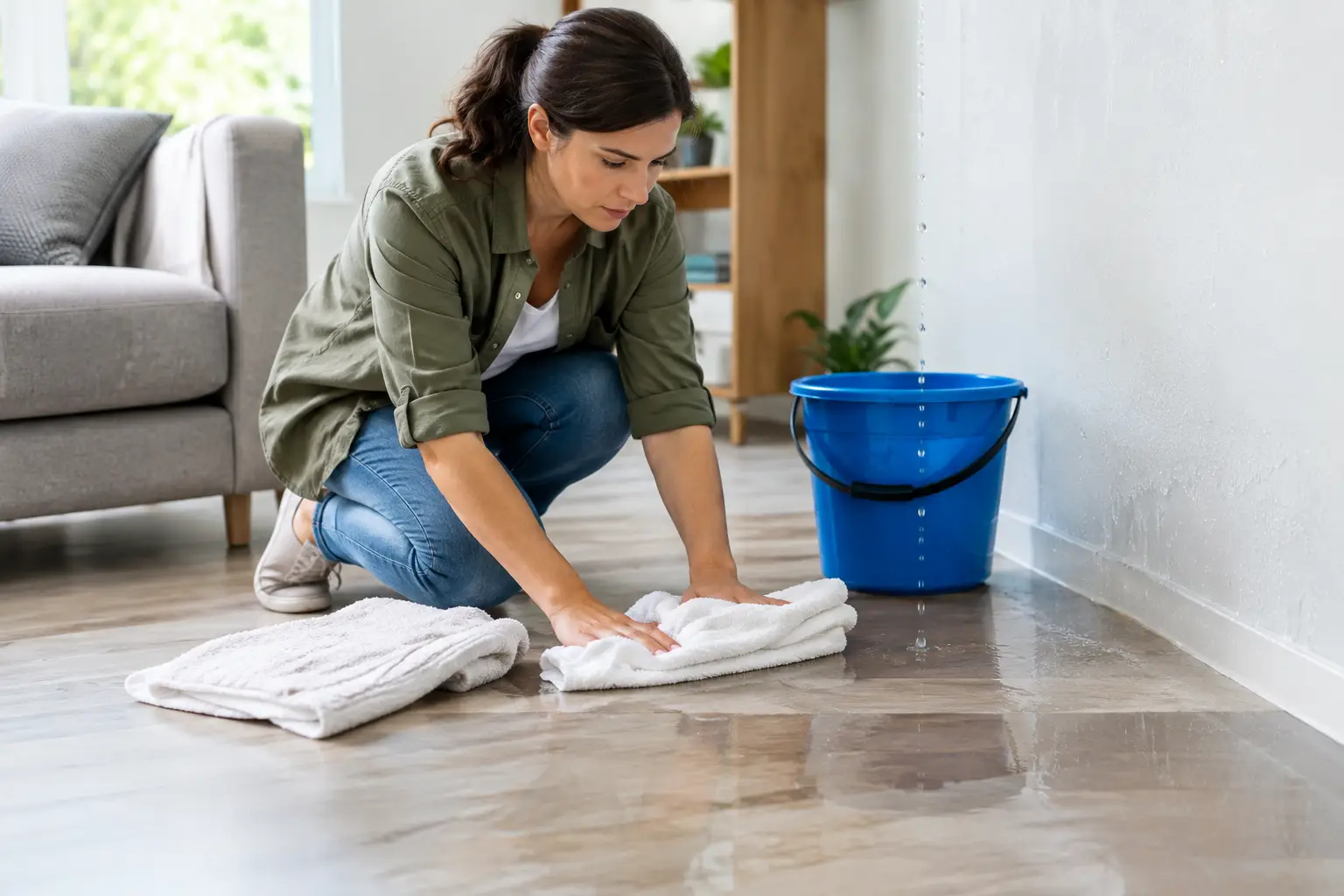
Once the source is controlled, remove standing water as quickly as possible. Wet vacuums, extraction equipment, and professional pumps are far more effective than towels alone. The faster water is extracted, the less time it has to absorb into flooring, wall materials, furniture, and subfloors.
Do not assume that a fan pointed at a wet floor solves the problem. Air movement can help, but drying must be balanced with dehumidification and monitored over time. Without removing moisture from the air, water can continue moving through materials instead of leaving the building. Professional restoration teams use moisture meters, thermal imaging, air movers, and dehumidifiers to identify and dry hidden moisture rather than relying on appearance.
Protect Materials Before They Become a Bigger Loss
Some materials can often be saved when addressed quickly. Others may need to be removed because they hold moisture too long or cannot be thoroughly cleaned after contamination. The decision should be based on the water source, the material involved, how long it stayed wet, and verified moisture readings.
Carpet may be salvageable after a clean-water loss if it is extracted and dried promptly. However, wet padding often retains moisture and may need removal to protect the subfloor and prevent odor. Hardwood flooring can cup, buckle, or separate when moisture is trapped below it, so drying should begin before boards visibly deform.
Drywall is especially vulnerable because it absorbs water through its paper facing and gypsum core. When water wicks up a wall, simply drying the lowest visible section may not be enough. Baseboards may need to be carefully removed, and small sections of drywall may need opening to allow wall cavities and insulation to dry. That is a controlled step, not unnecessary demolition, and it can prevent a much larger reconstruction later.
Cabinets, built-ins, and vanities deserve close attention. Water can sit underneath them unnoticed, damaging toe kicks, wall framing, and flooring. A restoration inspection can determine whether targeted drying is possible or whether materials need to be detached to reach the affected area.
Do Not Miss These Common Moisture Hiding Places
Visible water is only part of the problem. After a leak or flood, inspect the areas around and below the affected room. Check adjacent closets, the ceiling beneath an upstairs leak, walls on the other side of a plumbing fixture, and flooring transitions into nearby rooms.
Pay particular attention to these areas:
- Carpet edges, padding, tack strips, and the subfloor beneath them
- Baseboards, lower drywall, insulation, and wall cavities
- Under kitchen and bathroom cabinets, appliances, and built-in shelving
- Crawl spaces, utility rooms, HVAC components, and ceiling cavities
A musty smell, cool spot on a wall, raised flooring edge, or discoloration can signal hidden moisture. Those signs should be evaluated promptly. By the time mold is plainly visible, the underlying moisture issue has often been present for several days or longer.
Keep Mold From Gaining a Foothold
Mold can begin growing when moisture remains available, often within 24 to 48 hours under the right conditions. That timeline is why emergency mitigation matters. The goal is to dry affected materials quickly, clean surfaces appropriately, and correct the source of water so the problem does not return.
Bleach and household sprays are not a complete answer for water-damaged building materials. They may not reach moisture inside porous drywall, wood, carpet, insulation, or framing. Covering an odor with fragrance also does not resolve the cause. If there is visible mold, a persistent musty odor, or a water loss that was not dried quickly, a professional inspection can help identify the extent of the issue before repairs close everything back up.
It is also wise to avoid running the HVAC system if it may draw contaminated air or moisture through the property. The right approach depends on where the water originated and whether the system itself was affected. A qualified restoration team can assess whether equipment, ducts, or filters need attention.
Document the Damage While You Take Action
Protecting your property and documenting the loss can happen at the same time. Before removing damaged items, take photos and short videos of the affected rooms, the water source if visible, damaged materials, and personal property. Keep a basic record of when you discovered the issue, when the source was stopped, and what emergency steps were taken.
Notify your insurance carrier as soon as practical, especially for significant losses. Many policies require reasonable action to prevent further damage, which makes emergency extraction and drying an important part of protecting your claim. Save receipts for temporary measures, but avoid throwing away damaged materials until the insurer or restoration professional has had an opportunity to document them, unless they present a health or safety concern.
There is a balance to strike. Delaying mitigation while waiting for an adjuster can increase damage, but making broad repairs before the loss is documented can create confusion. Emergency stabilization, detailed photographs, moisture readings, and clear estimates help keep the process organized.
When to Call a Water Damage Professional
A small, clean spill that is fully dried immediately may be manageable on your own. Call for professional help when water has reached drywall, flooring, cabinets, insulation, multiple rooms, ceilings, or electrical areas. Professional mitigation is also the safer choice for sewage backups, floodwater, appliance leaks that went unnoticed, and any loss with a moldy odor or uncertain moisture path.
The value is not just equipment. Certified restoration professionals assess the category of water, map moisture migration, document conditions, remove unsalvageable materials when necessary, and verify that the structure is dry before reconstruction begins. That process helps avoid the frustrating cycle of repairing a wall or floor only to discover hidden mold or swelling later.
GEM Disaster Recovery Corp provides 24/7 emergency response in El Paso, helping property owners stabilize water losses, coordinate the restoration process, and move toward repairs with care. When water enters your property, prompt, measured action gives you the best chance to protect what can be saved and restore the space with confidence.