
Mold Smell in House? Find the Source and Act Fast
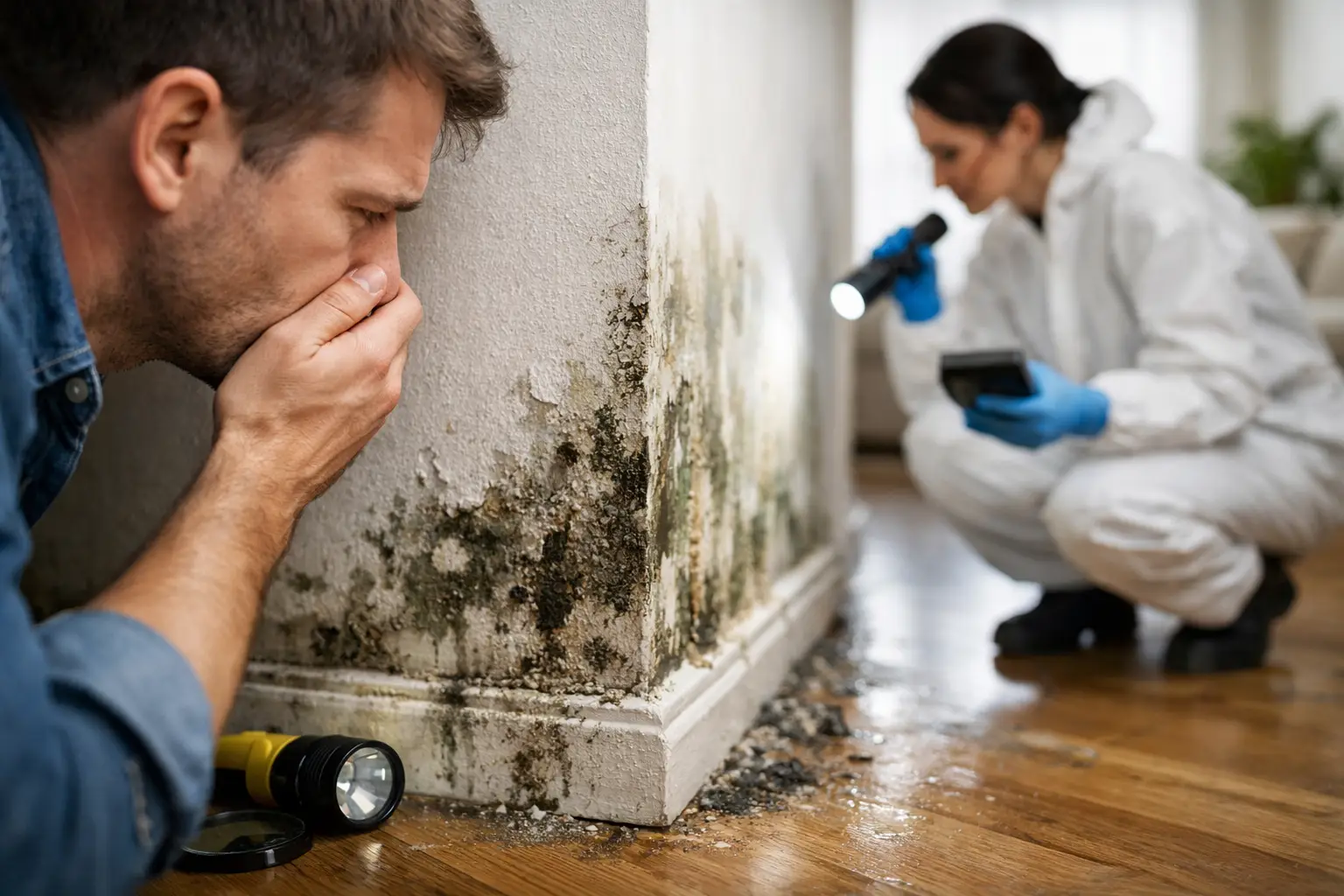
A mold smell in house is often the first warning sign that moisture is trapped somewhere it should not be. You may notice it when you walk in after being away, open a closet, turn on the air conditioner, or enter a room that has had a leak. The odor can be easy to dismiss, especially if there is no visible staining. But musty air is not a problem to cover with candles or air freshener. It is a reason to look for the moisture source before a small issue becomes a larger restoration project.
For homeowners, property managers, and business owners in El Paso, acting early can protect the building, its contents, and the people who use the space. Mold needs moisture to grow. Finding and correcting that moisture is the priority.
What Causes a Mold Smell in a House?
People often describe mold odor as musty, earthy, stale, or similar to wet cardboard. The smell comes from compounds released as mold and other microorganisms grow in damp materials. That does not mean every musty odor confirms active mold growth. A dirty drain, pet accident, old carpet, or poorly maintained HVAC system can create a similar smell.
Still, a persistent odor deserves attention because mold can grow in places you cannot easily see. Drywall, insulation, carpet backing, wood framing, ceiling cavities, and the area beneath cabinets can all hold moisture after a plumbing leak, roof leak, appliance overflow, or flood. In some cases, a previous water event was cleaned on the surface but never dried fully inside the structure.
El Paso's dry climate can create a false sense of security. A localized leak under a sink or behind a wall can stay wet long enough for mold growth even when the outdoor air is dry. Air conditioning condensation, evaporative coolers, and monsoon-season roof leaks can also introduce moisture where it is least expected.
Where to Look First When You Notice a Musty Odor
Start with recent changes. Has a toilet overflowed, a washing machine leaked, a water heater dripped, or a roof shown signs of trouble? Even a minor event can leave water behind walls or under flooring. If the odor appeared after water damage, assume the affected area needs a closer inspection.
Check rooms with plumbing first: bathrooms, kitchens, laundry rooms, utility closets, and areas around water heaters. Look under sinks, behind toilets, around refrigerator water lines, and at the base of cabinets. Watch for peeling paint, swollen trim, soft drywall, loose flooring, discoloration, or a wall that feels cooler or damp compared with the surrounding area.
Then inspect low-airflow spaces. Closets, storage rooms, crawl spaces, and rooms kept closed for long periods can trap humidity. Open cabinets beneath sinks and move stored items away from exterior walls. Cardboard boxes, rugs, and fabric items can absorb moisture and hold an odor long after the original water source is gone.
Your HVAC system also deserves attention. A dirty filter can affect air quality, but it does not usually explain a strong mold odor by itself. Check for standing water in drain pans, a blocked condensate line, visible buildup around vents, or an odor that gets stronger whenever the system runs. If the smell is clearly tied to the HVAC system, avoid assuming a quick filter change will solve the underlying issue.
What to Do Right Away
The correct response depends on the size of the affected area and whether moisture is still present. If you find an active leak, shut off the water supply if it is safe to do so and arrange for the plumbing repair. Then begin drying immediately. The longer water remains in building materials, the greater the chance of mold growth and material damage.
For a very small, non-porous surface with light visible growth, cleaning may be appropriate after the moisture source is repaired. Wear gloves and eye protection, ventilate the area, and dry it completely. Do not simply spray over the problem or paint over stained drywall. Porous materials such as wet insulation, carpet padding, ceiling tiles, and heavily affected drywall may need to be removed because they can retain contamination and moisture below the surface.
Avoid using bleach as a universal solution. It may lighten staining on some hard surfaces, but it does not repair the water source, dry wall cavities, or reliably address mold embedded in porous materials. Heavy fragrance products are also a poor substitute for cleanup. They can mask the odor temporarily while allowing the damage to continue.
If there is standing water, a sewage backup, a large affected area, or a strong odor with no obvious source, professional assessment is the safer choice. Moisture meters, thermal imaging, and controlled inspection methods can help identify hidden wet materials without unnecessary demolition.
When a Mold Smell Needs Professional Help
A musty smell that returns after cleaning is one of the clearest signs that the source has not been addressed. You should also seek professional help when you see repeated staining, bubbling paint, warped flooring, visible mold larger than a small localized spot, or signs that water has traveled behind walls or beneath flooring.
Extra care is warranted in homes or buildings occupied by people with asthma, allergies, respiratory sensitivities, weakened immune systems, or other health concerns. Mold exposure affects people differently, and no odor alone can diagnose a health issue. But a damp, mold-affected environment should not be ignored when occupants are experiencing discomfort or when a building has known water damage.
For commercial properties and rental housing, timely action matters for another reason: documentation. Property managers and business owners may need a clear record of the moisture source, affected materials, mitigation work, and repairs. This can support insurance communication, maintenance planning, and a safe return to normal operations.
A qualified restoration team should focus first on source control and drying, not just odor removal. The process may include locating hidden moisture, containing the affected area when needed, removing unsalvageable materials, cleaning appropriate surfaces, drying structural components, and verifying that moisture conditions have returned to an acceptable level. Reconstruction can then restore drywall, flooring, cabinets, or other finishes affected by the loss.
Preventing the Smell From Coming Back
The best prevention is routine attention to water. Check under sinks and around appliances periodically, especially in properties that sit vacant between tenants or are used seasonally. Repair roof, plumbing, and exterior drainage problems promptly. Keep bathroom exhaust fans running during and after showers, and do not allow wet towels or rugs to stay piled up in enclosed spaces.
Indoor humidity matters, even in a desert climate. If certain rooms feel damp, use proper ventilation and consider a dehumidifier where appropriate. Make sure air conditioning condensate drains freely, and schedule maintenance if you notice water around the equipment or vents. In areas prone to condensation, insulating cold water lines may help reduce repeated moisture on nearby surfaces.
After any water intrusion, drying should begin quickly and continue until affected materials are truly dry, not merely dry to the touch. A carpet can feel dry on top while the padding and subfloor below remain damp. That is why professional water mitigation can be valuable after a significant leak or overflow, even if the visible water seems limited.
Protect Your Property Before the Damage Spreads
A mold odor is your property telling you that something deserves attention. You do not need to panic, but you do need to investigate rather than mask the smell. If you cannot identify the source, if the odor is persistent, or if water damage may be hidden, GEM Disaster Recovery Corp can help evaluate the issue and guide the next steps with care.
The most helpful move is often the simplest one: address moisture early, document what you find, and give the building a real chance to dry before hidden damage has time to grow.