Mold Removal vs Remediation: What Protects Your Home?
A musty odor after a plumbing leak is not just an inconvenience to cover with air freshener. It can be a sign that moisture is trapped behind drywall, beneath flooring, or inside an HVAC system. Understanding mold removal vs remediation helps El Paso homeowners, property managers, and business owners choose a response that addresses the actual problem instead of only what is visible.
Mold Removal vs Remediation: The Critical Difference
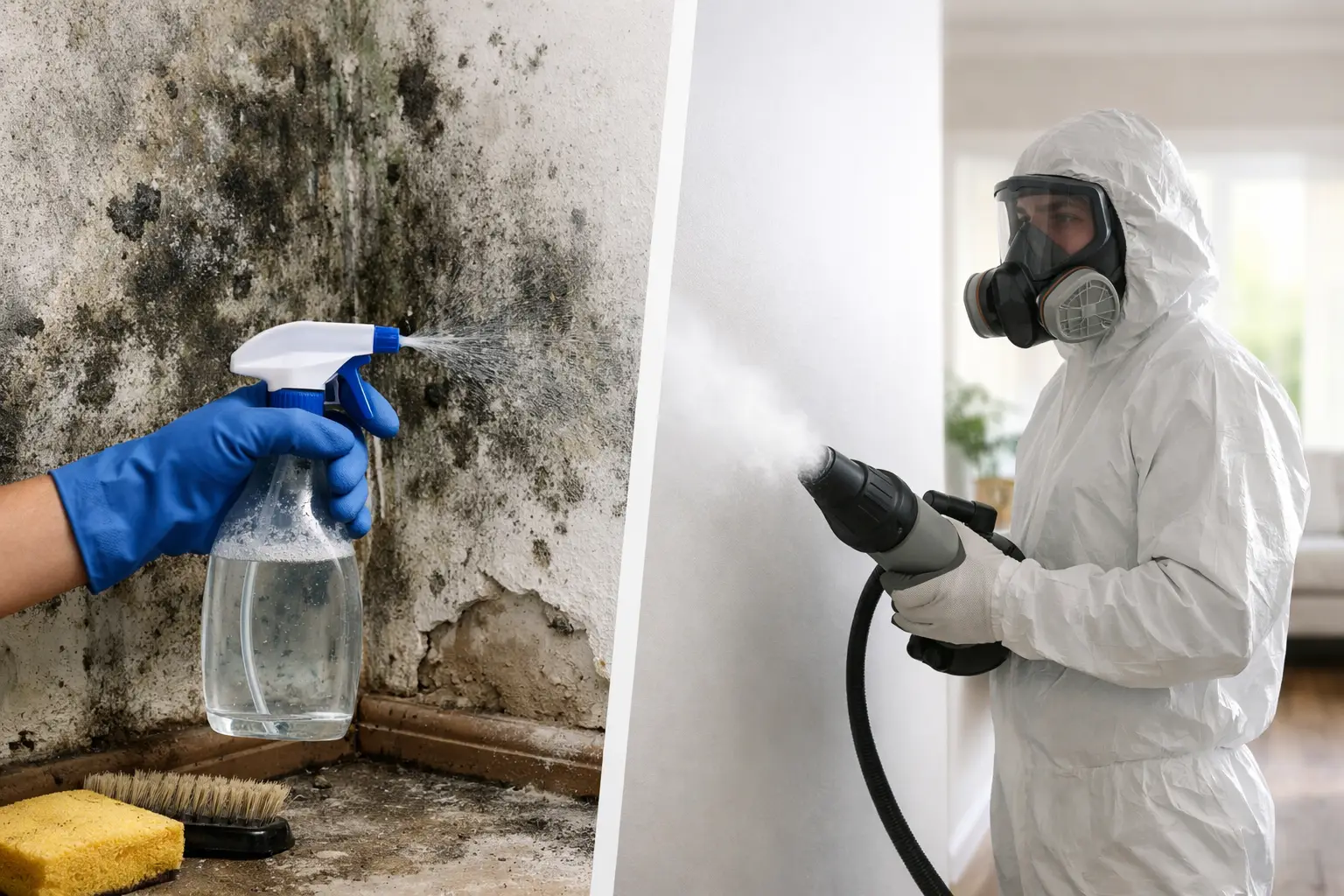
“Mold removal” is the phrase many people use when they see mold on a wall, ceiling, baseboard, or piece of furniture. It usually describes physically cleaning or removing visible mold growth from a surface. In a limited situation, such as a small spot caused by condensation, careful cleaning may be part of an appropriate response.
Mold remediation is broader. It is the professional process of identifying the moisture source, containing affected areas, removing or cleaning damaged materials, drying the structure, treating remaining surfaces as needed, and helping return the property to normal conditions. The goal is not simply to make mold disappear from sight. The goal is to correct the conditions that allowed it to grow.
That distinction matters because mold spores are naturally present indoors and outdoors. A responsible restoration professional does not promise to eliminate every spore from a building. Instead, remediation focuses on removing active growth, controlling contamination, and restoring a dry environment where mold is less likely to return.
Why Visible Mold Is Only Part of the Story
A dark patch around a window or under a bathroom sink may be the only visible clue, but water often travels farther than expected. Drywall, insulation, carpet backing, wood framing, and cabinets can hold moisture long after a leak appears to have stopped. If the source is left behind, surface cleaning can provide a temporary improvement while mold continues growing in concealed materials.
This is especially relevant in El Paso properties. While the region is known for a dry climate, indoor moisture problems still happen after pipe breaks, roof leaks, appliance overflows, air conditioner or evaporative cooler issues, monsoon-related water intrusion, and slow plumbing leaks. A dry outdoor climate does not prevent mold when a building material stays wet indoors.
Professional remediation begins with a careful assessment. Technicians look for the cause of moisture, the extent of damage, and pathways where contamination could spread. They may use moisture detection equipment to locate damp materials that do not look damaged from the surface. This approach helps prevent a repair from becoming a repeat problem weeks or months later.
What Mold Remediation Typically Includes
The right scope depends on the building, the amount of affected material, and the cause of the moisture. A small isolated area may require limited cleaning and drying. Larger or hidden growth may require containment and selective removal of materials that cannot be safely cleaned.
A professional remediation project commonly involves several connected steps:
- Stopping the moisture source, whether that means repairing a leak, addressing drainage, or correcting a ventilation issue.
- Protecting unaffected rooms with containment measures so dust and spores are less likely to spread during work.
- Removing porous materials, such as wet insulation, damaged drywall, or carpet padding, when they cannot be properly restored.
- Cleaning salvageable structural materials and contents using methods suited to the surface and level of contamination.
- Drying the area thoroughly with commercial equipment and monitoring moisture levels.
- Repairing removed materials and restoring the space once conditions are stable.
The order matters. Rebuilding before the affected area is dry can trap moisture inside walls or floors. Cleaning without controlling the source can allow growth to return. A complete plan protects both the property and the people who rely on it.
When Mold Removal May Be Enough
There are situations where a limited cleaning response is appropriate. For example, a small amount of mildew on a nonporous bathroom surface caused by everyday humidity may be resolved by cleaning the surface and improving ventilation. The key is confirming that the material is not damaged, the affected area is truly limited, and there is no ongoing water issue.
Even then, property owners should pay attention to what happens next. If staining returns, the odor remains, paint bubbles, or nearby materials feel damp, the issue may be deeper than it first appeared. Repeated surface mold is often a symptom of a moisture problem that needs closer investigation.
A larger response is generally warranted when mold covers a broad area, appears after a significant water event, involves porous building materials, affects more than one room, or is connected to sewage, floodwater, or a long-term leak. People with asthma, allergies, weakened immune systems, or other sensitivities should also avoid disturbing moldy materials themselves. Scrubbing or tearing into damaged drywall can release particles into the air and spread contamination beyond the original area.
The Risks of Treating Mold as a Cosmetic Problem
The temptation to paint over a stain or use a household cleaner is understandable. Property damage is stressful, and everyone wants the room to look normal again quickly. But cosmetic fixes can hide evidence of continued moisture and make a later inspection more difficult.
There is also a practical financial risk. A small leak behind a vanity may only require targeted drying and repair when caught early. Left untreated, it can damage cabinets, flooring, subflooring, insulation, and adjacent walls. For rental properties and commercial spaces, unresolved moisture can also lead to tenant concerns, operational disruptions, and more complicated insurance documentation.
Remediation is not always the least expensive option at the start, but it can be the more cost-conscious decision when it prevents recurring damage. The right question is not, “What is the fastest way to remove this stain?” It is, “What needs to happen so this area can stay dry and safe?”
Mold Inspection, Testing, and Remediation Are Different Services
These terms are often grouped together, but they serve different purposes. A mold inspection focuses on identifying conditions that support growth and determining the likely extent of damage. It may include a visual assessment, moisture readings, and an evaluation of the building’s history.
Mold testing involves collecting samples for laboratory analysis. In Texas, mold assessment, testing, and post-remediation clearance must be performed by a licensed mold assessor who is independent of the remediation contractor. Testing can be useful in certain situations, such as when growth is suspected but not visible, when occupants have health-related concerns, or when documentation is requested. However, a test result alone does not fix moisture damage. When visible mold and a clear water source are already present, the priority is stopping the moisture source and getting a licensed assessor’s protocol in place so remediation can begin quickly.
Remediation is the hands-on restoration work that follows the assessment. It addresses the source, affected materials, cleaning, drying, and necessary repairs. A trustworthy provider will explain which services are appropriate for your situation rather than treating every mold concern as identical.
What to Do If You Suspect Mold
Start by protecting the area from additional moisture. If a leak is active, shut off the water when it is safe to do so and arrange for repairs. Avoid running fans across a visibly moldy area, aggressively scrubbing affected drywall, or removing materials without containment. Those actions can spread particles to other rooms.
Take clear photos of visible damage, water staining, and the source if you can identify it. This documentation can be helpful for property records and insurance conversations. Then arrange for a qualified restoration assessment, particularly if the odor is persistent, the area is growing, or water damage involved walls, floors, ceilings, or contents.
For homeowners and businesses, the best outcome comes from coordinating mitigation, remediation, and reconstruction as one connected project. GEM Disaster Recovery Corp helps El Paso property owners stabilize water damage, address mold conditions, document the work, and restore affected spaces with clear communication and care.
A clean-looking wall is reassuring, but a dry, properly restored building is what brings lasting peace of mind. If something smells off, keeps returning, or appeared after water damage, trust the warning sign early. A thoughtful response now can protect your property, your schedule, and the people inside it.