Is Emergency Tarping Covered by Insurance?
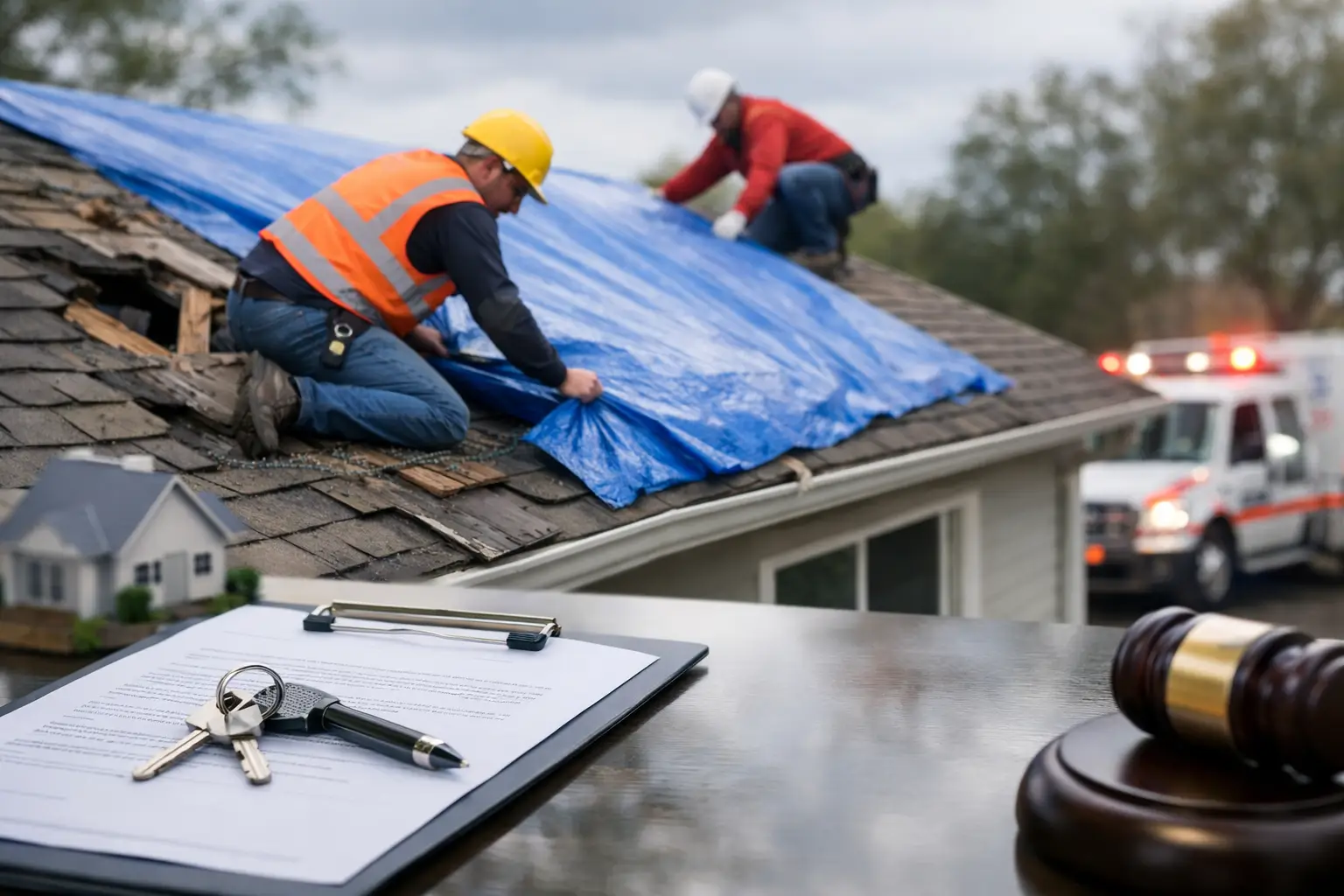
A roof opening can turn a manageable loss into soaked insulation, damaged drywall, and ruined belongings in a single night. So, is emergency tarping covered by insurance? In many cases, yes. If wind, hail, fire, a falling tree, or another covered event damages your roof, most homeowners and commercial property policies may cover reasonable emergency tarping to prevent further damage.
The key word is may. Coverage depends on what caused the damage, the details of your policy, and whether the tarp was installed as a necessary temporary protective measure. Acting quickly can protect your property and support your claim, but it is still wise to document everything before and during the emergency work.
When insurance usually covers emergency tarping
Property insurance is designed to respond to sudden, accidental losses caused by covered perils. When a covered event leaves part of your roof exposed, emergency tarping is generally considered mitigation - the urgent work needed to keep the situation from getting worse.
For example, a sudden hailstorm may crack shingles and create openings that allow rain inside. Strong winds can tear off roofing materials, or a tree branch can puncture a roof. After a structure fire, water used to put out the fire and openings in the roof or walls can leave the property vulnerable to rain, dust, and unauthorized entry. In these circumstances, a temporary tarp can be a necessary first step while the insurance carrier evaluates the full loss.
Texas policyholders also have a responsibility to take reasonable steps to protect covered property after a loss. That does not mean you are expected to climb onto an unsafe roof or make permanent repairs before an inspection. It means avoiding preventable additional damage when it is safe to do so. Calling a qualified emergency restoration company for professional tarping is often a practical way to meet that responsibility.
What determines whether your policy pays
The cause of the roof damage matters more than the tarp itself. Emergency tarping is often covered when the opening resulted from a covered loss. It may not be covered when the issue stems from a maintenance problem, gradual wear, deterioration, or a condition your policy excludes.
A few common scenarios show the difference. If a windstorm blows shingles off a well-maintained roof and rain begins entering the attic, the temporary tarp and resulting interior water damage may be covered, subject to your deductible and policy terms. If rain enters through a roof that has been leaking for months because of age or neglected repairs, the insurer may deny the tarp cost, the interior damage, or both.
Coverage can also vary based on your policy type and endorsements. Homeowners policies, commercial property policies, and landlord policies do not all handle wind, hail, roof surfaces, and water damage in the same way. Some policies settle roof damage at actual cash value rather than replacement cost. Others may have separate wind or hail deductibles. Review your declarations page and speak with your insurer or adjuster for guidance specific to your claim.
Emergency work versus permanent roof repair
Emergency tarping is temporary stabilization, not a substitute for roof repair or replacement. Its job is to stop or reduce water intrusion, protect exposed areas, and give the property a safe window for inspection and planning.
That distinction matters for insurance. An insurer may approve reasonable emergency mitigation while still investigating the scope and value of permanent repairs. The carrier may determine that only the storm-damaged portion of the roof is covered, or that certain existing conditions are not part of the claim. A careful inspection, photographs, and clear estimates help establish what happened and what work is necessary.
Do not wait for a final claim decision if active water is entering the property. Delaying protection can allow mold growth, ceiling collapse, electrical hazards, and wider structural damage. At the same time, avoid authorizing major reconstruction work without understanding the scope of your policy and claim process. Emergency stabilization should be prompt; permanent repairs should be properly documented and coordinated.
What to do after roof damage
First, protect people. Stay away from downed power lines, sagging ceilings, loose roofing materials, and any area that may be structurally unstable. If there is a fire-related loss, do not re-enter until authorities say it is safe.
Next, document the damage from the ground or another safe location. Take photos and videos of missing shingles, fallen limbs, exposed areas, standing water, ceiling stains, and damaged contents. Make a note of the date, time, weather conditions, and any emergency actions you take. If possible, keep damaged materials until your insurer advises otherwise.
Then contact your insurance carrier to report the loss. Ask whether it has preferred documentation requirements, but do not interpret the claims process as a reason to leave your building exposed. Tell the representative that you need emergency tarping or board-up services to prevent further damage. Keep the claim number, adjuster contact information, invoices, and receipts together.
A professional emergency crew can assess the exterior, install a properly secured tarp, address openings with board-up if needed, and document the condition of the property. This is particularly valuable after high winds or fire damage, when a poorly secured tarp can fail quickly and create a second problem.
Documentation that can make a difference
Insurance claims are easier to evaluate when emergency work is clear, reasonable, and tied to the covered event. Good documentation does not guarantee coverage, but it gives the adjuster a clear record of why the work was needed.
Keep before-and-after photos of the affected roof or structure, including wide shots that show the location of the damage. Save the emergency service invoice and make sure it identifies the work performed, such as roof tarping, temporary roof covering, water extraction, or board-up. If a contractor finds storm-related impacts or fire-related openings, ask for written notes and photographs.
It is also helpful to retain communications with the insurer, including claim numbers, emails, and notes from phone calls. If water entered the building, document damaged flooring, walls, insulation, furniture, inventory, or equipment before disposal. For business owners and property managers, record any operational disruption and take reasonable steps to protect inventory or tenant areas from additional loss.
Deductibles and out-of-pocket costs
Even when emergency tarping is covered, you may still be responsible for your policy deductible. That deductible applies to the overall claim, not necessarily as a separate charge for the tarp. For example, if a covered wind claim includes emergency tarping, interior drying, and roof repairs, the deductible is generally applied to the total covered loss.
A small tarp invoice may fall below your deductible, but it can still be worth submitting if the damage develops into a larger covered claim. Never assume a claim will be denied simply because you had to act fast. Emergency mitigation is a normal and often necessary part of property recovery.
Be cautious with anyone who promises that insurance will pay for everything or offers to waive your deductible. A reputable restoration provider can explain the emergency scope, supply documentation, and coordinate with your insurance process without making guarantees about coverage decisions.
Why professional tarping is safer than a quick DIY fix
A blue tarp from the hardware store may seem like the fastest answer, but roof damage is rarely a safe do-it-yourself situation. Wet surfaces, high winds, hidden structural damage, and unstable materials create serious fall risks. Driving fasteners into the wrong area can also cause additional roof damage.
Professional crews use appropriate materials and secure temporary coverings based on the size, location, and condition of the opening. They can also look beyond the visible roof damage. Water may have entered attic insulation, wall cavities, or ceilings long before it becomes obvious inside the building.
For El Paso homeowners and businesses, fast response after wind, hail, fire, or unexpected roof damage can limit the scope of the loss. GEM Disaster Recovery Corp provides 24/7 emergency stabilization, including tarping, board-up, water mitigation, documentation, and support through the restoration process.
A damaged roof does not need to become a larger property disaster. When it is safe to do so, document the loss, notify your insurer, and get qualified help to secure the opening right away. That first protective step can preserve both your property and your path toward recovery.