How to Stop Water Damage Spreading in Your Home
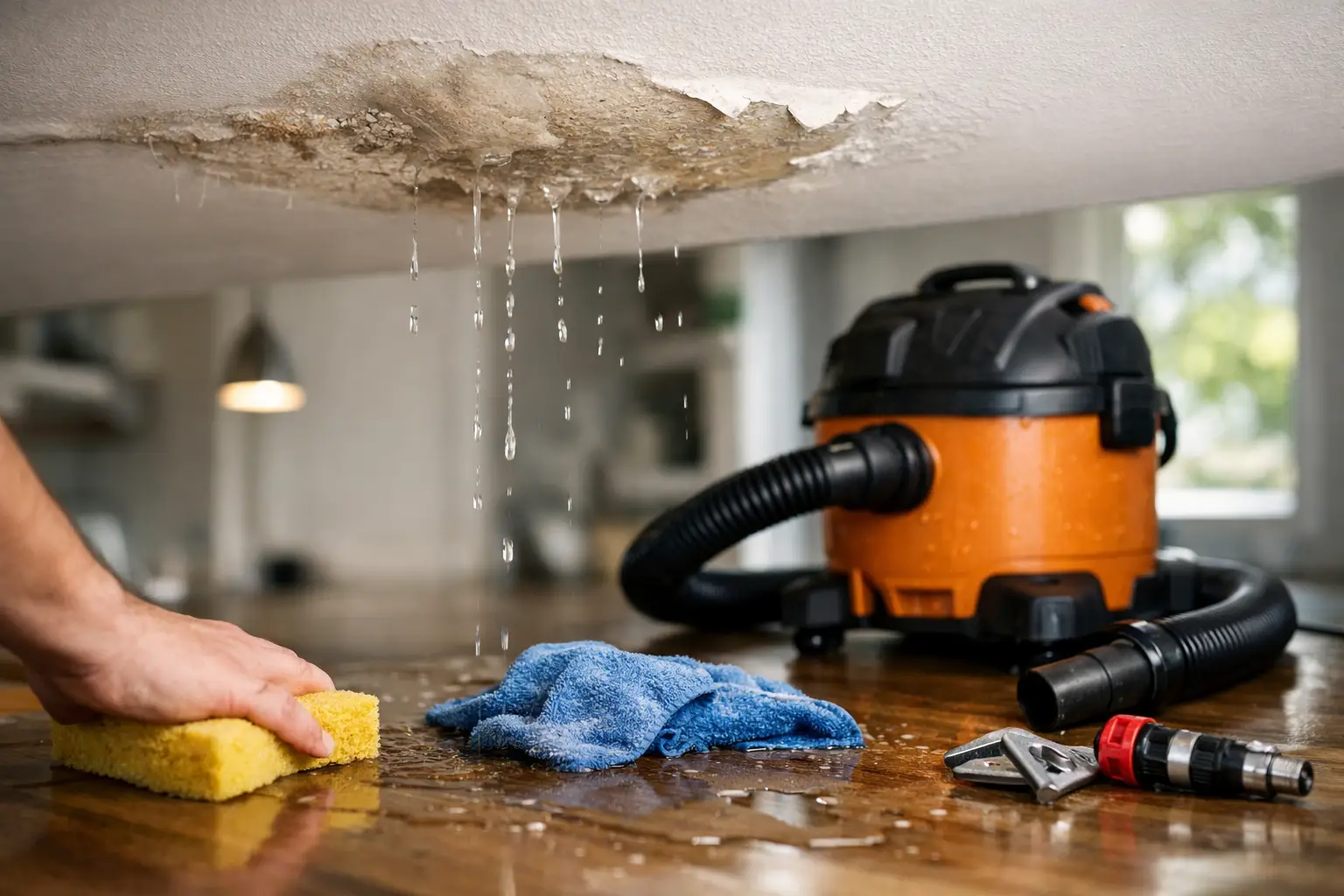
A small supply-line leak can soak into a cabinet, subfloor, and adjacent wall long before water becomes visible in the next room. When a pipe bursts, an appliance overflows, or stormwater enters your property, every minute matters. Knowing how to stop water damage spreading helps protect your home or business, reduce repair costs, and create a safer path toward restoration.
The first goal is not to make the property look dry. It is to stop the water source, protect people from hazards, and begin removing moisture before it migrates into materials that are harder to save. Water can travel under flooring, behind baseboards, through insulation, and into framing. A calm, prompt response makes a real difference.
Protect People Before You Protect Property
Do not enter standing water if you suspect an electrical hazard. Water near outlets, power cords, appliances, a breaker panel, or damaged wiring can be dangerous. If it is safe to do so from a dry location, turn off electricity to the affected area at the breaker. If you cannot reach the panel safely, leave the area and call for professional help.
Also consider the source of the water. Clean water from a broken supply line is very different from water affected by a sewer backup, toilet overflow, floodwater, or a leak involving contaminated materials. Contaminated water can carry bacteria and other hazards. Keep children, pets, customers, and employees away from the area, and avoid trying to clean it without proper protective equipment.
If ceilings are sagging, walls are bulging, or water is coming from above, stay clear of the affected space. A ceiling can hold a surprising amount of water before it fails. Do not puncture it unless you have been instructed by a qualified professional and can do so safely.
How to Stop Water Damage Spreading at the Source
Stopping the source is the most effective action you can take. For a leaking sink, toilet, washing machine, or refrigerator line, close the local shutoff valve if it is accessible and safe. If the leak cannot be controlled at the fixture, turn off the main water supply to the building.
For a roof leak or storm-related intrusion, move valuables away from the wet area and place a container under active drips when safe. Do not climb onto a wet roof or attempt exterior repairs during severe weather. Once conditions allow, emergency roof protection or board-up services can prevent additional water from entering.
After shutting off the water, take a few clear photos and short videos of the source, affected rooms, and damaged belongings. This documentation can be helpful for an insurance claim. Do not delay mitigation while waiting for an adjuster, though. Most policies expect property owners to take reasonable steps to prevent further damage.
Remove Standing Water Quickly, but Safely
Standing water gives moisture time to spread outward and downward. If the water is clean and the area is safe, begin removing it right away with towels, mops, buckets, or a wet/dry vacuum. Work from the outer edges toward the center so water is not tracked through dry areas.
Move furniture, rugs, boxes, and other belongings off wet floors. Place aluminum foil, plastic blocks, or protective pads under furniture legs when possible to reduce staining and moisture transfer. Do not pile wet items together. Separate them in a dry, well-ventilated area if they can be safely handled.
Carpet deserves special attention. Water can soak through carpet and padding into the subfloor, even when the surface feels only damp. Clean-water incidents caught immediately may allow some materials to be saved, depending on the extent of saturation. When water has been sitting, has reached padding, or may be contaminated, professional assessment is usually the safer choice.
Avoid using a standard household vacuum on water. It is not designed for wet pickup and creates an electrical risk. Be cautious with fans as well. Fans can help after water is extracted, but they should not be used around contaminated water because they may spread particles through the property.
Limit Moisture Migration Through Walls and Floors
Water does not stay where the leak began. Drywall absorbs it, baseboards wick it upward, and flooring systems can trap it underneath the visible surface. The goal is to lower humidity and expose wet materials as soon as practical.
Open interior doors and closets to improve airflow. If outdoor conditions are dry and the affected area is secure, open windows. In El Paso, dry air can sometimes help, but it is not a substitute for proper extraction and controlled drying. During monsoon conditions or humid weather, open windows may introduce more moisture rather than remove it.
Run your air conditioner if the system is operating safely. Air conditioning can help reduce indoor humidity. A portable dehumidifier may also be useful for a small, clean-water incident, but it can be overwhelmed by a large loss or hidden moisture behind walls and under flooring.
Do not assume a dry surface means the structure is dry. Moisture meters, thermal imaging, commercial dehumidifiers, and air movers help restoration professionals locate and dry water that cannot be seen. Removing only what is visible can leave moisture behind, creating conditions for warped materials, odors, and mold growth.
Know When the Situation Needs Professional Water Mitigation
A few spilled cups of water can often be cleaned and dried at home. A pipe leak that has run for hours, water coming through a ceiling, a washing machine overflow, or any water that reaches multiple rooms is a different situation. The longer water remains in place, the more likely it is to affect drywall, cabinets, flooring, insulation, and structural components.
Professional mitigation is especially advisable when water is contaminated, the affected area is large, materials are saturated, or you notice a musty odor. It is also the right call if you are unsure where the water traveled. Water can move beneath tile, laminate, hardwood, and carpet without leaving an obvious trail.
A qualified restoration team can extract water, identify affected materials, set drying equipment, monitor moisture levels, document the work, and help coordinate with your insurance carrier. This is not simply cleanup. It is a controlled process designed to prevent a manageable water event from becoming a larger reconstruction project.
Avoid Common Mistakes That Make Damage Worse
The pressure to act quickly can lead to well-intended mistakes. Do not use a home heater to dry wet walls or floors. Excess heat can warp materials, create fire concerns, and dry surfaces too quickly while trapping moisture deeper inside.
Avoid removing drywall, flooring, or cabinetry without understanding what is wet and what may contain electrical wiring or plumbing. In some cases, selective removal is necessary for drying. In others, unnecessary demolition adds cost and disruption. A proper inspection helps determine the right approach.
Do not throw away damaged belongings before documenting them unless they pose a health hazard. Photograph items, make a simple inventory, and retain samples when appropriate for your insurer. Keep receipts for emergency expenses and temporary protective measures.
Finally, do not wait for visible mold before addressing moisture. Mold can begin growing within 24 to 48 hours under the right conditions. Fast extraction and drying are often the best way to avoid a more complicated remediation process.
After the Emergency, Watch for Hidden Signs
Even after cleanup, pay attention to peeling paint, swollen baseboards, warped floors, stains that return, unusual odors, or doors that suddenly stick. These can indicate moisture remains in the building materials. A professional moisture inspection can confirm whether the area is truly dry.
For homeowners, property managers, and business owners in El Paso, GEM Disaster Recovery Corp provides 24/7 emergency response from immediate stabilization through drying, repairs, and reconstruction support. A single experienced team can reduce the burden of coordinating multiple vendors while helping document the loss for insurance.
Water emergencies are disruptive, but they do not have to take control of your property. Stop the source, keep people safe, remove what water you can safely handle, and bring in trained help before hidden moisture has time to spread.