
How to Spot Hidden Mold Before It Spreads
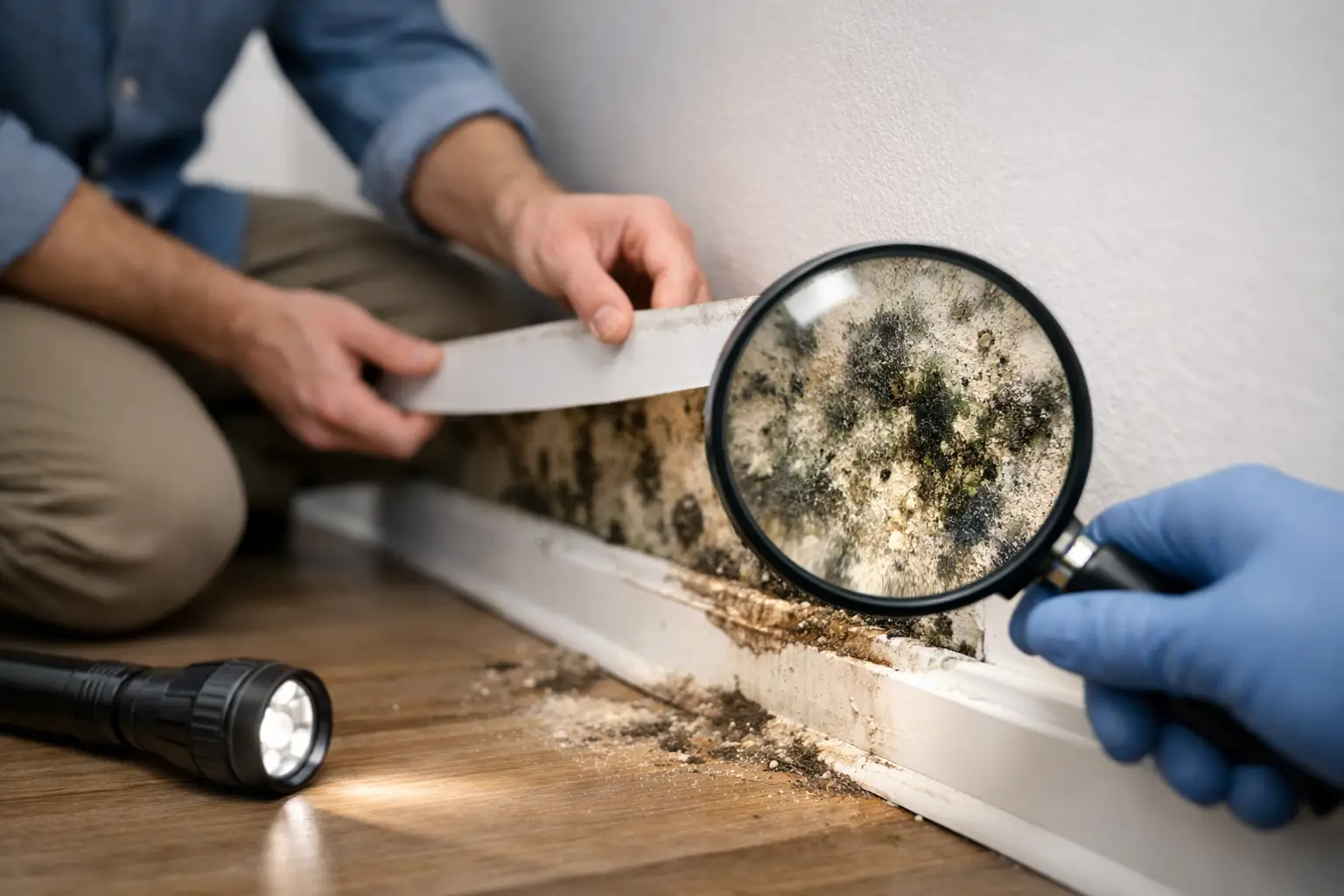
A wall can look dry, smell normal for part of the day, and still hold a moisture problem behind it. That is what makes mold so frustrating for homeowners, property managers, and business owners. Learning how to spot hidden mold early can limit damage, protect indoor air quality, and prevent a small repair from becoming a larger restoration project.
In El Paso, mold is not always tied to rainy weather. A burst supply line, slow roof leak, HVAC condensation issue, appliance leak, or water intrusion after a storm can create the conditions mold needs. Once moisture becomes trapped inside a wall, under flooring, or above a ceiling, visible growth may not appear until the problem has had time to spread.
Why Hidden Mold Is Easy to Miss
Mold needs moisture, a food source, and time. Drywall paper, wood framing, carpet backing, insulation, dust, and stored belongings can all support growth when they remain damp. A water event that seems minor on the surface may leave moisture in places that are difficult to inspect without the right equipment.
The visible stain is not always the full story. Water can travel along framing, settle beneath baseboards, wick up drywall, or move under flooring. By the time a musty odor or discoloration appears, the affected area may extend beyond the original leak.
This does not mean every odor or dark mark is mold. Dirt, old adhesive, water staining, and normal wear can look suspicious. The goal is not to diagnose a property from one clue. It is to recognize patterns that warrant a closer look.
How to Spot Hidden Mold: Start With a Moisture History
The strongest warning sign is often not what you see. It is what happened in the building before the concern began. Think back to leaks, overflows, wet carpet, roof damage, plumbing repairs, appliance issues, or periods when an area felt unusually humid.
Pay close attention if water was present for more than a day, if materials were not professionally dried, or if odors developed after the area appeared repaired. Fresh paint and new flooring can improve the appearance of a room without resolving damp drywall, wet insulation, or moisture below the surface.
For rental properties and commercial spaces, maintenance records matter. Repeated service calls for the same restroom, break room, roof section, or HVAC area may point to an ongoing moisture source. Document dates, locations, photos, and any noticeable changes. That information helps a qualified inspector trace the problem more efficiently.
Warning Signs Behind Walls, Floors, and Ceilings
A single sign may have an ordinary explanation. Several signs in the same area deserve prompt attention, especially after water damage. Watch for these common indicators:
- A persistent musty or earthy odor that is stronger when the HVAC system runs, after the room has been closed, or near a particular wall, closet, cabinet, or floor drain.
- Paint that bubbles, peels, cracks, or feels soft, along with warped baseboards, swollen trim, loose flooring, or drywall that has begun to buckle.
- Discoloration on ceilings, walls, grout, carpet edges, or around windows, even if the spot seems dry when touched.
- Unexplained condensation, recurring dampness, or an area that feels cooler than the surrounding room. This can indicate moisture inside the building materials.
- Increased allergy-like irritation or respiratory discomfort that seems to improve away from the building. Health symptoms alone cannot confirm mold, but they should not be ignored when paired with moisture signs.
Look carefully in low-visibility areas. Check beneath sinks, around water heaters, behind washing machines, near refrigerator water lines, inside closets on exterior walls, around windows, under stairwells, and in areas below bathrooms. In commercial properties, inspect janitor closets, utility rooms, ceiling tiles, mechanical spaces, and areas around plumbing penetrations.
What Not to Do When You Suspect Mold
Avoid pulling up flooring, opening walls, or scraping a suspicious area just to see what is behind it. Disturbing a hidden mold source can spread spores and contaminate unaffected rooms. It can also make it harder to determine where the moisture originated.
Do not simply paint over staining or cover an odor with air fresheners. Those steps can hide evidence while moisture continues to damage the structure. Likewise, a household fan is not a complete drying plan after a leak. Proper drying requires finding where water traveled and confirming that affected materials are actually dry.
Small, isolated surface growth may sometimes be manageable with careful cleaning, depending on the material and the source of moisture. But recurring growth, a large affected area, mold following sewage or floodwater exposure, or any concern behind building materials calls for professional evaluation. The right response depends on the size of the issue, the type of water involved, and whether the moisture source has been stopped.
When a Professional Mold Inspection Makes Sense
A professional inspection is especially valuable when you smell mold but cannot see it, when a leak occurred behind finished surfaces, or when staining keeps returning after repairs. It is also wise after significant flooding, a plumbing failure, or a roof leak that affected ceilings or insulation.
An experienced restoration team begins by identifying the moisture source, not just looking for visible spots. Moisture meters, thermal imaging, and targeted visual inspection can help locate damp materials without unnecessary demolition. If conditions warrant it, controlled openings may be made to inspect concealed spaces and determine the appropriate scope of remediation.
Air or surface sampling can be useful in certain situations, but it is not a substitute for a thorough building inspection. A sample is only one piece of information. The more urgent question is whether there is active moisture and damaged material that needs to be addressed.
Protect the Property While You Wait for Help
If the source is safe and accessible, stop the water at its source. Shut off the supply to a leaking fixture, place a container under a drip, and move furniture, inventory, and valuables away from wet areas. Keep children, pets, tenants, and employees out of spaces with visible contamination or sagging ceilings.
Take photos before moving materials when possible. This can support insurance documentation and help establish the timeline of damage. Then arrange for a qualified restoration professional to assess the area quickly. Fast action matters because moisture does not stay in one place, and materials become more difficult to save as time passes.
For El Paso property owners facing a suspected mold issue after water damage, GEM Disaster Recovery Corp can help find and stop the moisture problem, stabilize the affected area, and guide the restoration process with clear communication and care. A hidden problem is easier to manage when it is addressed before it has the chance to reshape your home, business, or peace of mind.