
How to Remove Smoke Odor for Good
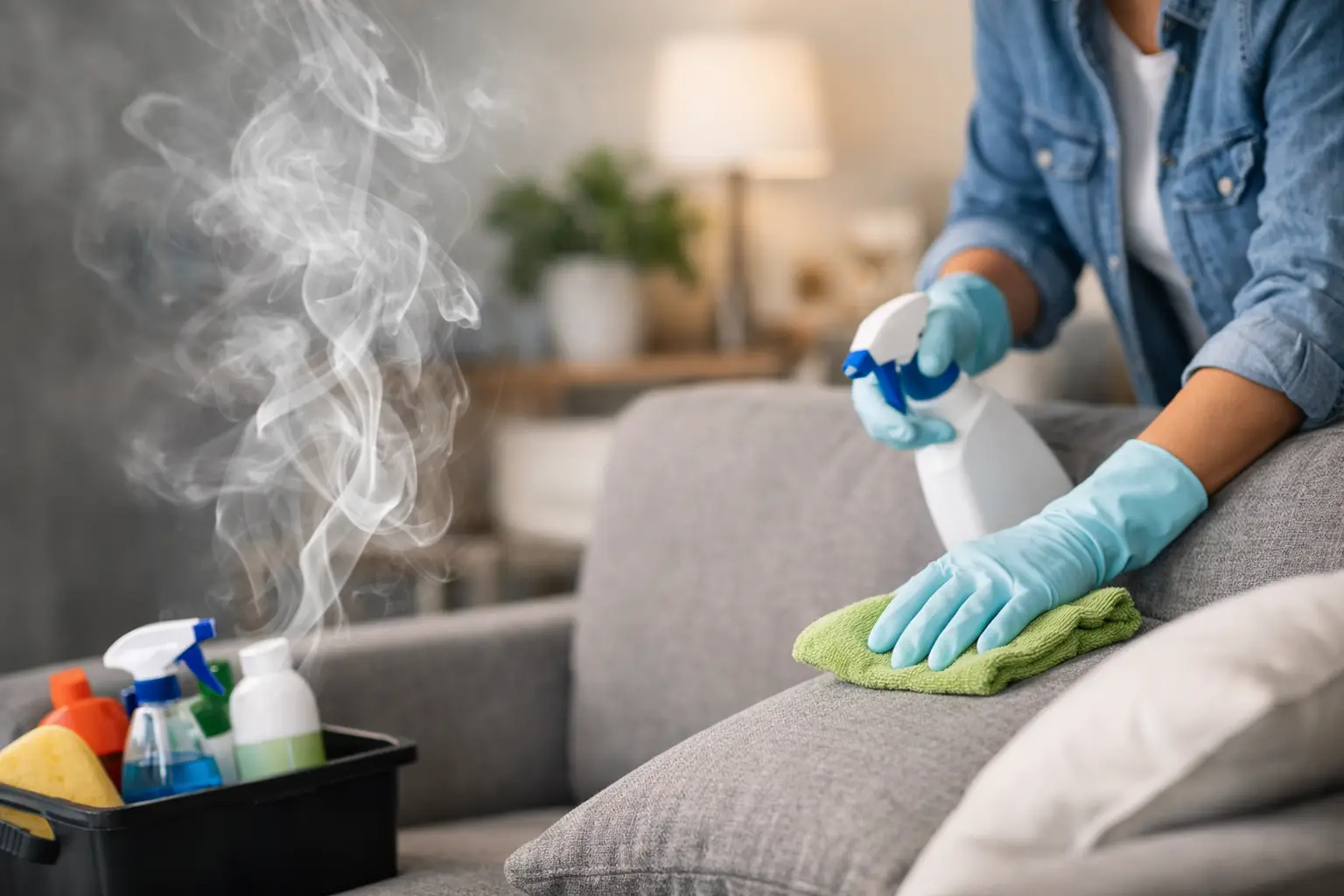
That stale, burned smell after a fire, kitchen flare-up, cigarette smoke, or electrical issue tends to settle in fast and linger longer than most people expect. If you are trying to figure out how to remove smoke odor, the key is not covering it up. You have to remove the source, clean the right surfaces, and treat the air itself.
Smoke odor is stubborn because it does not stay in one place. Tiny particles settle into drywall, insulation, carpet, upholstery, drapes, HVAC systems, and even inside cabinets. In a dry climate like El Paso, residue can keep circulating through the air instead of breaking down quickly, especially if a property was not cleaned thoroughly right after the event.
Why smoke odor keeps coming back
What many property owners notice is that the smell seems lighter for a day or two, then returns. That usually happens because only the obvious surfaces were cleaned. Air fresheners, candles, and household sprays may mask the odor for a short time, but they do not remove soot residue or the oils left behind by smoke.
Different sources of smoke also behave differently. Cigarette smoke is sticky and spreads over time. Cooking smoke often clings near ceilings and in vent hoods. Fire-related smoke can penetrate deeply into porous building materials and contents. The heavier the exposure, the less likely a simple wipe-down will solve the problem.
How to remove smoke odor step by step
The first priority is safety. If the smoke came from a house fire, electrical malfunction, or appliance failure, make sure the cause has been addressed before cleaning starts. If there is visible soot, char, water from firefighting efforts, or possible structural damage, professional restoration is usually the safer route.
Start with ventilation, but do not stop there
Open windows and doors if outdoor conditions allow. Use fans to move contaminated air out of the property, not deeper into it. Replace HVAC filters right away, and avoid running the system continuously until vents and components have been checked. If smoke traveled through the ductwork, the odor may keep spreading room to room.
Ventilation helps, but it is only the first step. If smoke particles remain on surfaces, the smell will return once the house is closed up again.
Remove dry residue before wet cleaning
If you can see soot or ash, do not scrub it with a wet rag right away. That can smear residue and push it deeper into surfaces. Start by carefully vacuuming with a HEPA-filter vacuum if available. For delicate walls or ceilings, use light pressure. Aggressive cleaning can damage paint and spread staining.
This part matters more than people think. Odor removal is harder when residue has been ground into carpet fibers, furniture, or wall texture.
Clean hard surfaces with the right products
Walls, ceilings, floors, baseboards, countertops, cabinets, and doors all need attention. Mild soap and water can help in light cases, but smoke residue often responds better to specialized degreasers or restoration cleaners designed to break down soot and odor-causing film.
Work in small sections and change cloths or rinse water often. If the water turns gray or black quickly, that is a sign the contamination is heavier than it first appeared. Painted walls may need careful testing in an inconspicuous spot, because some finishes are more delicate than others.
Wash or dry clean soft contents
Smoke settles deeply into fabrics. Curtains, bedding, clothing, and removable cushion covers should be washed according to label directions. Some items may need multiple cycles. Upholstered furniture, rugs, and mattresses are more difficult because the odor can reach inner layers.
A common mistake is cleaning only the top surface of soft goods. If the smoke event was significant, that may not be enough. In some cases, contents cleaning by a restoration company is more effective than repeated home treatments that still leave a lingering smell.
How to remove smoke odor from carpet and furniture
Carpet and upholstered furniture are often the reason a room still smells smoky after the walls look clean. These materials trap both particles and odor oils. Vacuuming helps, but it rarely solves the whole issue by itself.
For light smoke exposure, a thorough deep cleaning may improve the smell. For heavier contamination, especially after a fire, professional hot water extraction or specialized deodorization may be needed. It depends on the material, the source of the smoke, and how long it sat before cleanup began.
Furniture made with foam cushions can be especially difficult. The fabric may seem clean while the odor remains trapped inside. If the smell is strongest when you sit down or move the cushions, that is a sign the contamination goes deeper than the surface.
Do odor absorbers and home remedies work?
Sometimes, but only in limited situations. Baking soda, white vinegar, and activated charcoal can help reduce mild odors after the source has already been cleaned. They are not a replacement for removing residue from walls, ceilings, HVAC components, and contents.
Ozone machines and thermal foggers are often discussed online, but they should be used carefully. These tools can be effective in the right hands, especially after fire damage, but they are not casual DIY solutions. Ozone can be unsafe if misused, and fogging will not fix odor that is still locked into contaminated materials.
This is where trade-offs matter. A low-cost home remedy may help after a minor kitchen smoke incident. It is unlikely to resolve odor caused by a bedroom fire, long-term cigarette use, or smoke that spread through multiple rooms.
When cleaning is not enough
If the smell remains after thorough cleaning, the issue may be inside porous materials. Drywall, insulation, subflooring, acoustic ceiling tiles, and unfinished wood can absorb smoke deeply. In those situations, sealing or replacing affected materials may be necessary.
This is one reason smoke damage restoration is more than housekeeping. The goal is not simply making a property smell better for a few days. It is restoring a clean, safe indoor environment that will hold up over time.
Properties with repeated smoke exposure, such as rental units, commercial spaces, or homes with years of indoor smoking, can require a more layered approach. Surface cleaning, odor treatment, HVAC cleaning, and selective material removal may all be part of the solution.
Signs you should call a professional for smoke odor removal
If the odor is strong in multiple rooms, if soot is visible, if HVAC vents smell smoky when the system runs, or if the property had any actual fire event, it is smart to bring in a restoration professional. The same goes for commercial properties where odor can affect staff, customers, and operations.
Professional teams have access to filtration equipment, deodorization methods, moisture detection if firefighting water was used, and cleaning products made for post-fire residue. Just as important, they can tell you whether the odor is coming from salvageable materials or from components that need to be sealed or replaced.
For homeowners and property managers, that clarity can save time and money. Recleaning the same areas over and over is frustrating, and it often delays the real fix.
A practical approach after fire or heavy smoke damage
After a significant smoke event, speed matters. The longer residue sits, the more it bonds to surfaces and contents. That can increase staining, corrosion, and odor penetration. Fast stabilization also matters because fire damage often comes with water damage from suppression efforts.
A full-service restoration company can address both issues in one process, from emergency board-up and cleanup through deodorization and rebuilding if needed. For property owners already dealing with insurance paperwork and daily disruptions, having one team manage the work can reduce a lot of stress. Companies like GEM Disaster Recovery Corp are built around that kind of start-to-finish support, especially when the damage goes beyond what household cleaning can handle.
What gives you the best chance of removing smoke odor for good
The best results come from treating smoke odor as a contamination issue, not a fragrance problem. Clean the residue, address the air system, wash or restore affected contents, and be realistic about materials that may be too damaged to save. If you skip one of those steps, the smell often finds its way back.
If you are facing a minor odor, early action can make a big difference. If the smell followed a fire, spread through several rooms, or keeps returning after cleanup, getting expert help is often the fastest path to a property that truly feels normal again.
A smoke smell can make a home or business feel unsettled long after the visible mess is gone, but the right response can change that. When the cleanup is done thoroughly, the space does not just smell better. It starts to feel like yours again.