How to Prepare for Mold Remediation Safely
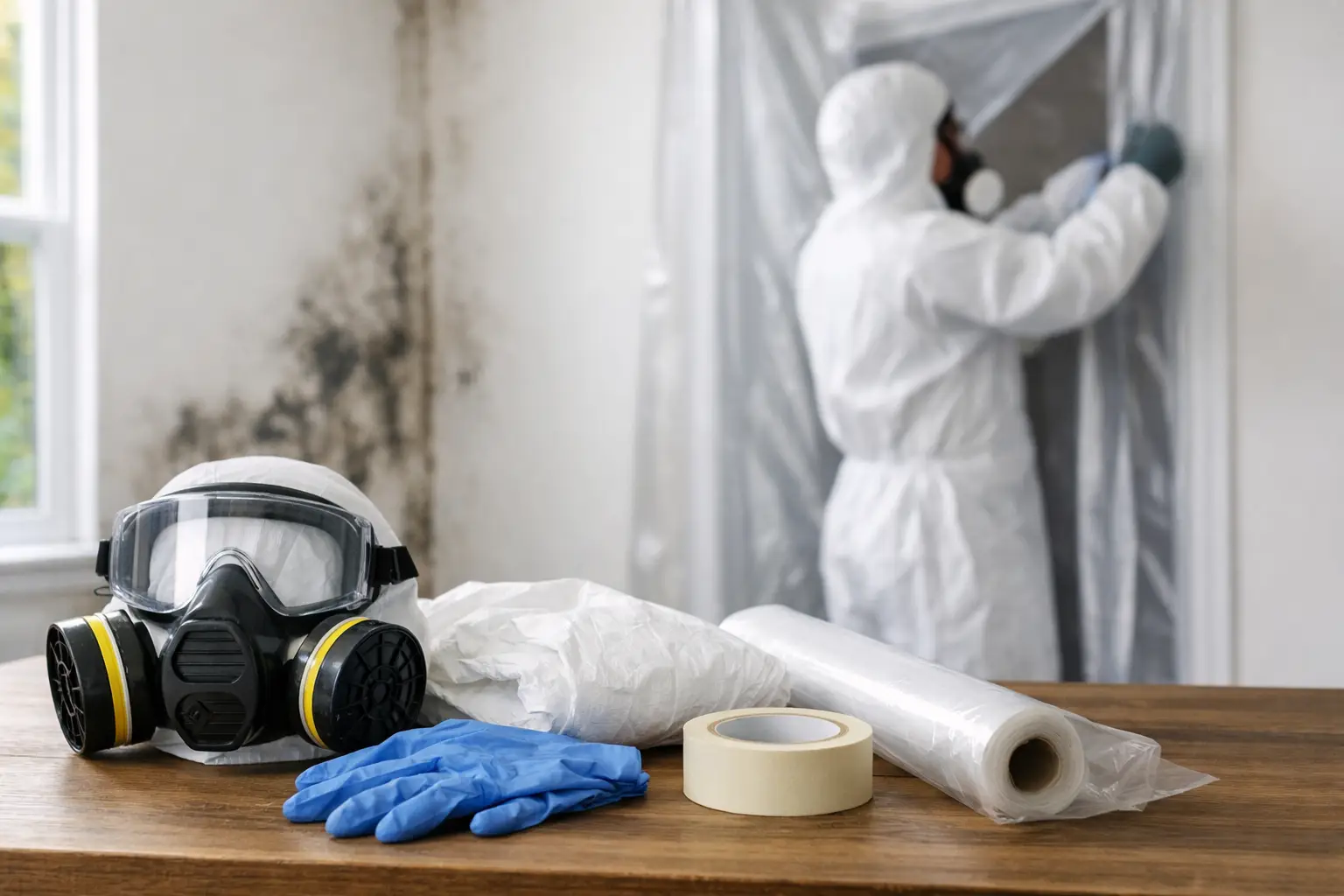
A mold problem can make a home or business feel uncertain fast. You may see dark spotting around a window, smell a persistent musty odor after a leak, or find growth inside a cabinet where plumbing failed. Knowing how to prepare for mold remediation helps protect the people in the building, preserves useful evidence for an insurance claim, and gives the cleanup team a safer, clearer place to begin.
The goal is not to solve a significant mold problem yourself before help arrives. Disturbing moldy materials without proper containment can spread spores into clean areas. Instead, focus on stopping the moisture source if it is safe to do so, protecting occupants, documenting conditions, and following the directions of a qualified remediation professional.
Start With Safety and Moisture Control
Mold needs moisture to grow. A plumbing leak, roof intrusion, overflowing appliance, poor drainage, or moisture left behind after water damage can all create the conditions for growth. Before any cleanup begins, the source of that moisture must be addressed. Otherwise, even a thorough remediation can be followed by another mold issue.
If water is actively leaking and you can safely shut off the water supply, do so. Place a container under a small drip if it can be done without entering an unsafe area. Do not handle electrical equipment near standing water, climb onto a damaged roof, or open walls to investigate a hidden leak. Those situations call for professional help.
Keep people away from visibly affected areas, especially children, older adults, pets, and anyone with asthma, allergies, a weakened immune system, or respiratory concerns. If the space has a strong odor or widespread visible growth, close the door if possible and avoid repeatedly entering to check on it. Limiting foot traffic can reduce the chance of carrying spores to other rooms.
Do not run fans pointed at moldy surfaces. Fans can move spores through the space. Central HVAC operation is more situation-dependent. If mold may be inside or near ducts, or if the system appears to be carrying odors throughout the property, ask the remediation team for guidance before running it. In El Paso, where cooling systems often work hard for long stretches, this step deserves particular attention.
How to Prepare for Mold Remediation Before the Crew Arrives
A professional crew will inspect the affected areas, identify the likely moisture source, establish containment, remove damaged materials when necessary, clean appropriate surfaces, and verify that conditions are ready for restoration. A little preparation helps that work move more efficiently without putting you at risk.
Document What You See Without Disturbing It
Take clear photos and short videos of visible mold, stained walls or ceilings, warped flooring, wet materials, and the suspected source of water. Include wider photos that show where the problem is located, then closer photos that show the damage in detail. If a leak or water event caused the issue, note the date you first noticed it, what happened, and any steps already taken.
This documentation can be helpful for your insurance carrier and for the remediation team. Keep receipts for emergency plumbing repairs, temporary lodging, dehumidifiers, or other related expenses when applicable. Do not throw away damaged materials until you have documented them and received direction from your insurer or restoration provider, unless they create an immediate safety concern.
Clear Access, Not the Contaminated Area
Move vehicles, furniture, boxes, or equipment that block access to the affected room, crawlspace entrance, utility area, or exterior wall. Clear a path from the entry point to the work area so technicians can bring in containment materials, air filtration equipment, and removal tools.
There is a difference between clearing access and trying to clean out the room. Do not scrape, vacuum, brush, bleach, or pressure wash visible mold. Household vacuum cleaners generally are not designed to capture microscopic spores. Bleach may change the appearance of mold on some hard surfaces, but it does not resolve moisture problems or replace proper remediation methods.
For belongings inside the affected space, wait for professional guidance before moving them. Porous items such as upholstered furniture, cardboard, books, rugs, insulation, and some fabrics may need specialized cleaning, evaluation, or disposal. Moving them through the property prematurely can transfer contamination into unaffected areas.
Protect Important Property and Records
If it is safe to do so without handling contaminated items, relocate irreplaceable documents, medications, jewelry, electronics, or business records from a nearby clean area. Place them in clean, dry containers and store them away from the work zone. For businesses, secure customer files, inventory records, sensitive equipment, and any confidential materials before remediation begins.
Property managers should notify affected tenants early and provide clear information about access restrictions, scheduled work, and temporary arrangements. Business owners may need a plan for employee communication, customer access, and operational continuity. The right plan depends on the size of the affected area and whether the mold is limited to a storage room or involves occupied workspaces.
Prepare Your Household, Tenants, or Staff
Remediation work can involve noise, equipment, controlled work areas, and temporary restrictions. Ask the remediation provider whether occupants can remain in the building. Small, isolated projects may allow people to stay in unaffected areas, while larger projects, extensive water damage, or health concerns may make temporary relocation the better choice.
Make arrangements for children and pets to stay away from the work zone. Give technicians any relevant information about pets that may be on the property, gate codes, alarm procedures, parking limitations, and areas that must remain private. If someone in the home has a medical condition that could be affected by dust or odors, share that information before work starts.
For commercial properties, designate one point of contact who can approve access, answer questions, and receive updates. This prevents delays when decisions are needed about contents, building systems, or reconstruction. It also gives tenants and employees one reliable source for accurate information.
Know What Questions to Ask Your Mold Remediation Team
Mold remediation should not feel like a mystery. A dependable provider should explain the scope of work in plain language and tell you what to expect before, during, and after the project. Ask what caused the moisture, what areas are affected, and how the team will prevent cross-contamination while working.
You can also ask how belongings will be handled, which materials can be cleaned, which materials may need removal, and whether testing or clearance verification is recommended for your situation. Testing is not necessary in every case, particularly when mold is visible and the moisture source is clear. However, it may be useful when the extent of contamination is uncertain, when occupants have heightened health concerns, or when documentation is required for a property transaction or commercial setting.
Ask for a written scope and a clear explanation of insurance coordination. Coverage depends on the cause of the loss and the terms of your policy. Sudden and accidental water damage may be handled differently from long-term leaks, deferred maintenance, or repeated moisture intrusion. Your restoration provider can help document the damage and communicate with the carrier, but the insurer makes the final coverage decision.
Avoid Common Preparation Mistakes
The most common mistake is waiting too long because the damage appears small. A musty smell behind a vanity or beneath carpeting can point to hidden moisture that will not improve on its own. Prompt inspection is often less disruptive than waiting until materials deteriorate further.
Another mistake is sealing over the problem with paint, caulk, or new flooring. Covering stained drywall or damp materials can trap moisture and delay discovery of the actual source. Similarly, do not assume that a dry-looking surface means the structure is dry. Moisture can remain inside wall cavities, beneath flooring, or around building materials after a leak.
Finally, avoid treating remediation as only a cleaning task. Successful work addresses three connected issues: moisture control, safe removal or cleaning of affected materials, and restoration of the property. If damaged drywall, flooring, insulation, or cabinetry must be removed, a coordinated provider can help carry the project from stabilization through rebuilding.
Mold remediation is easier to manage when you do not have to make every decision alone. With the area protected, the damage documented, and a qualified team guiding the next steps, you can move from uncertainty toward a safe, dry, usable property again. For El Paso homeowners and businesses, GEM Disaster Recovery Corp can provide that steady support from initial assessment through restoration, with care for both the property and the people relying on it.