
How to Inventory Fire Damage for Insurance
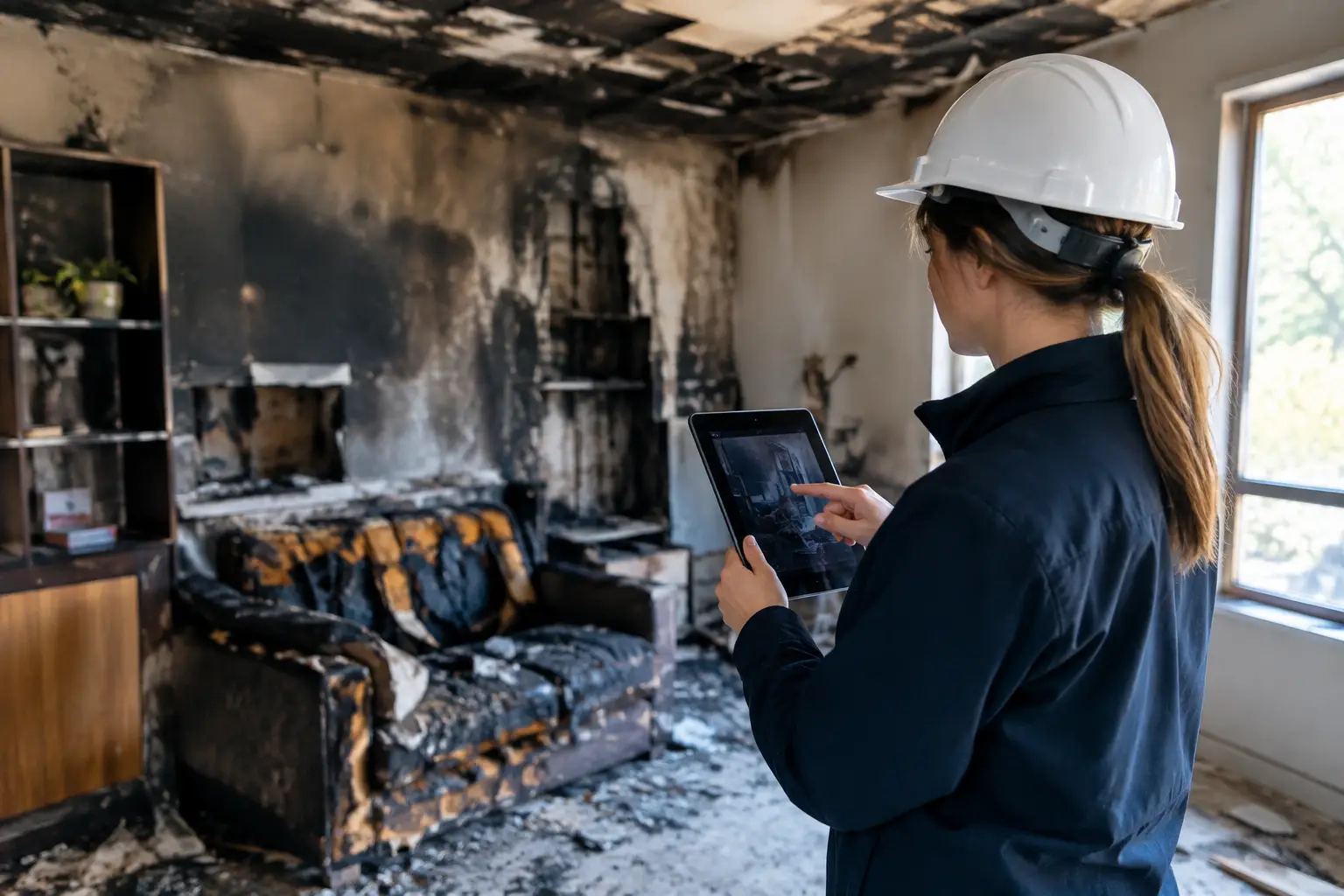
A fire can leave a home or business looking unfamiliar in a matter of minutes. Once everyone is safe and the fire department has cleared the property for entry, the next challenge is documenting what was lost or damaged before cleanup, disposal, or repairs begin. A careful inventory gives your insurance carrier a clearer picture of the claim and helps protect you from overlooking items when the initial shock wears off.
Knowing how to inventory fire damage is not about creating a perfect spreadsheet on the first day. It is about preserving evidence, recording details while they are visible, and building an organized record that supports your recovery.
Start With Safety and Authorization
Do not enter a fire-damaged structure until the fire department, building official, or restoration professional says it is safe. Fire can weaken floors, ceilings, stairs, and roof systems. Smoke residue may contain hazardous particles, and damaged electrical systems can remain dangerous even when the flames are out.
If entry is approved, wear appropriate personal protective equipment, including closed-toe shoes, gloves, eye protection, and a properly fitted mask or respirator recommended for the conditions. Avoid touching burned wiring, wet electrical equipment, standing water, unstable contents, or visibly damaged structural areas.
Before moving items, ask your insurance carrier about its inspection process and keep a record of every conversation. Emergency actions such as securing openings, stopping water intrusion, or protecting contents may be necessary, but extensive demolition or disposal before documentation can make a claim harder to support. When possible, let trained restoration professionals photograph and document conditions before cleanup begins.
How to Inventory Fire Damage Room by Room
The most reliable approach is simple: work through the property one room at a time. Start outside, then move through the structure in a consistent order. This prevents duplicate entries and reduces the chance that an entire closet, cabinet, storage area, or office is forgotten.
Begin with wide photographs and video. Capture the exterior from multiple angles, including the roofline, windows, doors, garage, landscaping, fencing, and any boarded openings. Inside, take wide shots of each room before taking closer images of damaged belongings. A slow video walkthrough can be especially useful because it records where items were located and shows the overall condition of the space.
For each room, create an inventory entry with the item name, brand, model number if available, approximate age, purchase price or replacement cost, and a brief description of the damage. You do not need to know every detail immediately. Write down what you know, then mark unknown details to research later.
For example, instead of writing “TV,” record “65-inch Samsung television, purchased around 2022, smoke residue throughout exterior, exposed to firefighting water, no longer operational.” Specific descriptions give adjusters useful context and help you find comparable replacement pricing if receipts are unavailable.
Do not overlook contents hidden from view. Check drawers, cabinets, closets, attic storage, garages, sheds, refrigerators, pantries, filing cabinets, supply rooms, and under-bed storage when conditions allow. In commercial properties, include inventory, point-of-sale equipment, computers, machinery, tools, records, furnishings, tenant improvements, and specialty equipment.
Separate Damage by Category
A room-by-room inventory explains location. Categories make the claim easier to review. As you document, group affected property into logical sections such as furniture, clothing, electronics, kitchen items, appliances, tools, décor, business equipment, inventory, and important documents.
It also helps to distinguish between direct fire damage and other types of loss. An item may be burned, coated with soot, saturated by firefighting water, damaged by heat, or contaminated by smoke odor. These are all real forms of fire loss, even if an item looks intact at first glance.
Smoke can travel far beyond the room where the fire started. Clothing, upholstered furniture, electronics, HVAC systems, paper records, and porous materials can hold residue or odor that cannot be safely removed with ordinary household cleaning. Do not assume an item is salvageable simply because it was not burned. A qualified restoration assessment can identify what can be cleaned, restored, packed out, or documented as unsalvageable.
Gather Proof of Ownership and Value
Receipts are helpful, but they are not the only proof that an item existed or what it was worth. Most people do not keep receipts for every household purchase, especially older possessions. Build the strongest record you can with the materials available.
Useful documentation may include:
- Purchase receipts, invoices, canceled checks, credit card statements, or online order histories
- Product manuals, warranty registrations, serial numbers, and original packaging
- Photos or videos taken before the fire, including holiday, family, or real estate photos
- Appraisals for jewelry, art, collectibles, firearms, antiques, or specialty equipment
- Maintenance records for appliances, tools, machinery, and business assets
- Statements from employees, family members, or others who can confirm ownership of significant items
For high-value belongings, avoid guessing. A jeweler, appraiser, equipment dealer, contractor, or other qualified expert may be able to provide a valuation or identify a comparable replacement. If the item was inherited or purchased years ago, note that clearly rather than assigning a number without support.
Keep Damaged Items Until They Are Reviewed
One of the most common claim mistakes is throwing away damaged property too soon. Burned contents are upsetting to see, and removing them can feel like progress. Still, insurers may need an opportunity to inspect the item, and restoration professionals may need to determine whether it can be cleaned or restored.
If items must be moved for safety, photograph them first and label where they came from. Keep related pieces together when possible. For example, place damaged kitchen items in clearly marked containers rather than combining them with debris from another area. Maintain a simple chain of custody for valuable items, especially jewelry, electronics, tools, business equipment, and important documents.
Some materials may be unsafe to keep or handle because of contamination, sharp debris, chemicals, or structural hazards. In those cases, follow the direction of emergency personnel, your insurer, and qualified restoration professionals. Safety comes first, but documentation should happen as early as safely possible.
Track Emergency Expenses and Temporary Costs
Your fire inventory should include more than damaged belongings. Keep records of expenses created by the loss, particularly those your policy may cover. Depending on your coverage and the type of property, this may include emergency board-up, tarping, water extraction, temporary power protection, hotel stays, meals above normal household spending, storage, laundry, pet boarding, or temporary business operations.
Save every invoice and receipt. Write the date, purpose, and who authorized the expense if that information is available. For business owners, document interrupted operations, canceled work, damaged stock, temporary equipment rentals, and additional labor needed to continue serving customers. Business interruption coverage and extra expense coverage can be complex, so accurate records matter.
Build One Claim File Instead of Scattered Notes
A fire claim can generate photos, emails, estimates, receipts, reports, and personal notes very quickly. Put everything in one place. A cloud folder, binder, or both can work well, as long as the file is organized and backed up.
Create separate sections for correspondence, photos and videos, room inventories, receipts, repair estimates, restoration reports, and temporary living or operating expenses. Name digital files clearly, such as “Kitchen cabinet soot damage - October 11” rather than “IMG_4821.” This small habit saves time when an adjuster, contractor, or insurance representative asks for a specific document.
Keep a communication log as well. Record the date, the person you spoke with, their company, and a short summary of what was discussed. If instructions are given by phone, follow up by email when appropriate so there is a written record.
Let Professionals Document What You Cannot See
A complete fire-damage inventory includes visible contents, but the property itself may have hidden damage from heat, smoke, soot, water, or corrosive residue. Smoke can affect ducts, insulation, wall cavities, electrical components, and materials far from the fire source. These conditions require professional evaluation, not guesswork.
GEM Disaster Recovery Corp can help El Paso property owners stabilize the site, document damage, coordinate with insurance, and move from emergency cleanup through restoration and reconstruction. Professional documentation does not replace your own inventory, but it adds technical support to the record and helps identify salvageable contents before unnecessary disposal occurs.
Take the inventory one room, one category, and one document at a time. You do not have to solve the entire claim in a day. Careful records now give you a stronger foundation for the decisions that come next.