How to Handle Sewage Backup Safely at Home
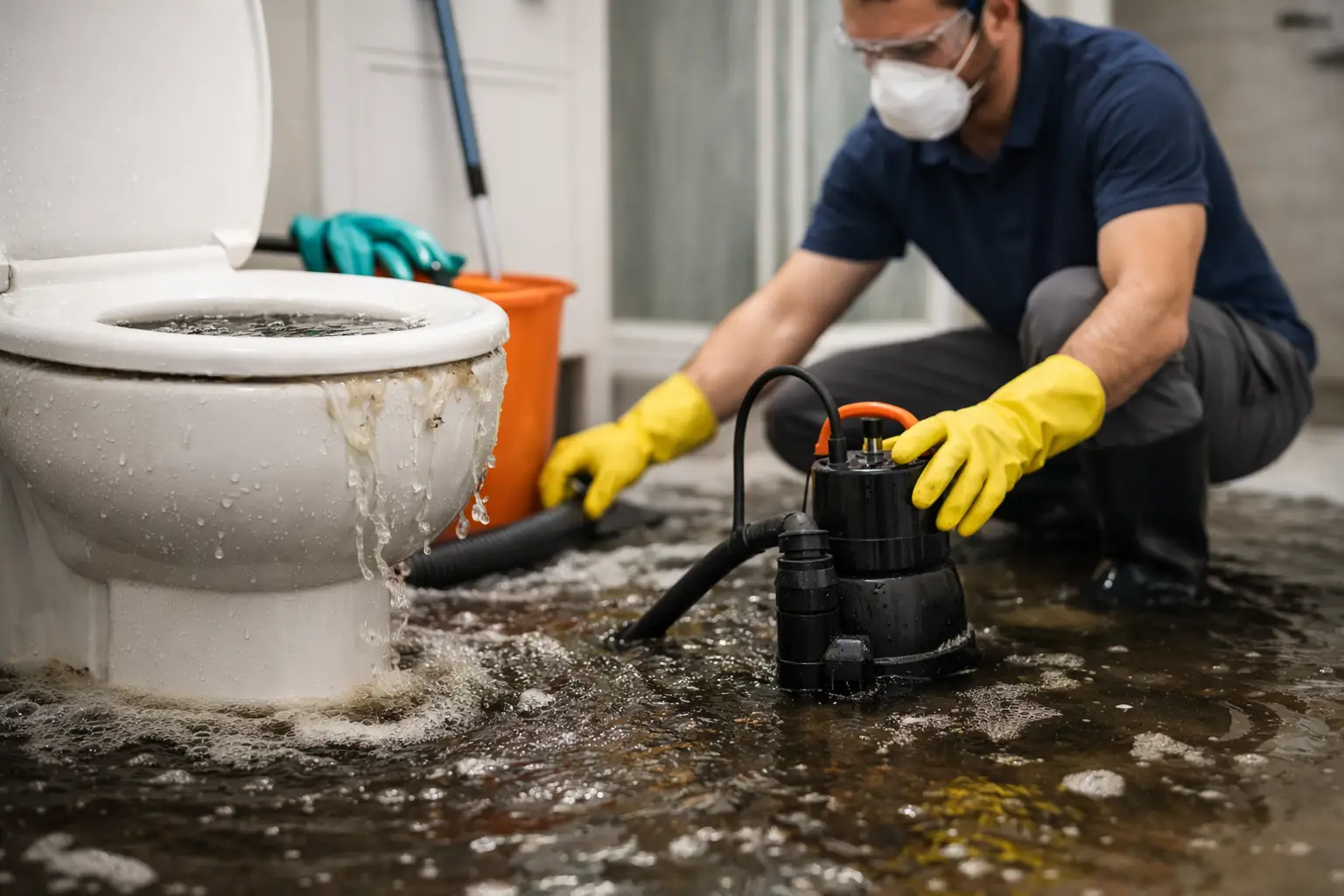
A sewage backup can turn a normal day into an urgent health and property emergency in minutes. Knowing how to handle sewage backup starts with one priority: keep people away from contaminated water. Sewage can carry bacteria, viruses, parasites, and other harmful contaminants, even when the water looks clear. Fast, careful action protects your family, employees, tenants, and the structure itself.
For El Paso homeowners, property managers, and business owners, the goal is not to clean up everything immediately. The goal is to stop exposure, limit additional damage, document what happened, and bring in qualified restoration help when the situation calls for it.
Treat Sewage Water as a Health Hazard
Water from a toilet overflow that contains only clean water may be a smaller issue. A backup from a sewer line, drain line, floor drain, or multiple plumbing fixtures is different. Restoration professionals often classify this as Category 3 water, sometimes called black water. It may contain human waste, pathogens, chemicals, and debris from the sewer system.
Do not walk through the affected area unless it is necessary for safety. Keep children, pets, customers, and employees out. Close doors leading to the affected room if you can do so without entering contaminated water, and block off the area with a clear warning.
If sewage has reached electrical outlets, appliances, a breaker panel, or any part of your electrical system, stay out of the water. Shut off power to the affected area only if you can safely reach the panel without crossing wet or contaminated flooring. Otherwise, wait for a qualified professional.
Stop the Source if It Is Safe
A backup may continue to spread every time someone flushes a toilet, runs a sink, starts a washing machine, or uses a dishwasher. Ask everyone in the building to stop using plumbing fixtures right away.
If the issue appears to come from one overflowing toilet, turn off the water supply valve behind or below the toilet if it is accessible without contact with sewage. If multiple drains are backing up, the problem may be in the main sewer line. In that case, avoid using water anywhere in the property and contact a licensed plumber or drain professional to identify and correct the source.
Do not attempt to clear a suspected main-line blockage with household drain chemicals. These products can create additional hazards, damage plumbing, and make professional work more dangerous. A plumbing repair and a sewage cleanup are often separate but connected needs: the line must be repaired, then contaminated materials must be safely removed and the property restored.
Protect Yourself Before Entering the Area
Small, contained incidents may allow for limited action, but personal protection matters. At a minimum, wear waterproof gloves, rubber boots, eye protection, and clothing you can safely discard or wash separately. A properly fitted respirator may be appropriate where odors are strong or contamination has spread, but it is not a substitute for professional containment and cleaning.
Avoid touching your face, eating, drinking, or using your phone while working around contaminated water. Once you leave the area, remove protective items carefully and wash your hands thoroughly with soap and warm water.
Never use a regular household vacuum to remove sewage water. Do not sweep dry contaminated material, either. Both actions can spread contaminants into the air and onto clean surfaces. Fans should also remain off until the contaminated water has been extracted and affected materials have been evaluated. Moving air through an active sewage loss can spread contamination farther into the home or business.
Document the Damage for Insurance and Restoration Planning
Before cleanup begins, take photos and video from a safe location. Capture the source of the backup if visible, the affected rooms, standing water, damaged belongings, flooring, walls, and any water that has moved into adjacent areas.
Write down when you discovered the backup, what fixtures were being used, and whether the issue has happened before. If you are a property manager, record which units or common areas are affected and communicate clear instructions to occupants about avoiding water use.
Keep receipts for emergency plumbing service, temporary accommodations, protective supplies, and restoration work. Coverage for sewer or drain backup can depend on the specific policy and endorsements in place. Thorough documentation helps support the claim conversation, although it does not guarantee coverage.
Know What Can Be Saved and What Usually Cannot
Sewage cleanup is not simply a matter of drying the floor. Porous materials can absorb contaminated water quickly. Carpet, carpet padding, upholstered furniture, mattresses, cardboard, insulation, paper goods, and many fabric items are often difficult or unsafe to restore after direct sewage contact.
Some hard, nonporous materials may be cleaned and disinfected when contamination is limited. Tile, sealed concrete, metal, glass, and certain plastic items may be salvageable after proper extraction, cleaning, antimicrobial treatment, and drying. The condition of the material, how long it was exposed, and whether contamination reached hidden areas all affect that decision.
Drywall can wick moisture upward beyond the visible water line. Baseboards, lower wall cavities, cabinets, and insulation may need to be removed so the structure can be properly cleaned and dried. Cutting corners here can leave behind odor, microbial growth, and unsafe contamination.
When to Call a Professional Sewage Cleanup Team
Professional help is the right choice for most sewer backups, especially when waste water has entered living spaces, commercial areas, wall cavities, carpeted rooms, or HVAC components. It is also necessary when the affected area is large, someone has been exposed, or you cannot confirm that the water is clean.
A qualified restoration team can assess the contamination, establish containment, remove sewage water using specialized equipment, dispose of unsalvageable materials, clean and disinfect affected surfaces, and dry the structure with monitored equipment. Proper moisture readings help confirm that hidden areas are not left wet behind walls or beneath flooring.
For property owners in El Paso, GEM Disaster Recovery Corp provides 24/7 emergency response for sewage-related water damage and can coordinate the cleanup, documentation, drying, and reconstruction process with care. One experienced team can reduce the pressure of coordinating separate vendors while your property is disrupted.
Clean and Disinfect Only After Contaminated Materials Are Removed
Disinfectant is not a shortcut around removal. First, contaminated water and unsalvageable porous materials must be removed. Then remaining surfaces need to be physically cleaned before an appropriate disinfectant can work as intended.
Use products according to their label directions, including required contact time. Never mix bleach with ammonia, acids, or other cleaning products. The resulting fumes can be dangerous. If you are uncertain whether a surface can be safely cleaned, or if sewage reached cabinets, subfloors, walls, or upholstered belongings, let a restoration professional evaluate it.
After the cleanup, wash clothing exposed to sewage separately using hot water and detergent. Discard items that cannot be adequately cleaned. Anyone who had direct contact with sewage should wash promptly. If a person develops vomiting, diarrhea, fever, a skin rash, or other symptoms after exposure, contact a healthcare provider.
Prevent the Next Backup Where Possible
Not every sewer backup is preventable, particularly when a municipal system is overwhelmed or a main line fails unexpectedly. Still, routine maintenance can reduce risk. Avoid flushing wipes, paper towels, feminine products, grease, and other materials that do not belong in drains. Even products labeled “flushable” can contribute to clogs.
Older properties, homes with mature trees, and commercial buildings with heavy plumbing use may benefit from periodic sewer-line inspection. A plumber can identify root intrusion, cracked pipes, scale buildup, bellies in the line, or recurring blockages before they create a major indoor loss.
For properties with repeated backup issues, ask a qualified plumber whether a backwater valve is appropriate. This device can help prevent sewage from flowing backward into the building during certain sewer surcharges, but it needs proper installation and maintenance. The right solution depends on the property's plumbing layout and the cause of the backup.
A sewage backup is disruptive, unpleasant, and time-sensitive, but you do not have to solve it alone. Keep people clear, stop plumbing use, document the damage, and choose safe restoration over a rushed cleanup. Protecting health first gives your property the best chance of a clean, confident recovery.