How a Crime Scene Cleanup Company Helps
When police tape comes down, the real work often starts. A property may look quiet from the outside, but inside there can be bloodborne pathogens, damaged materials, lingering odor, and a level of emotional stress that makes even simple decisions feel heavy. That is where a crime scene cleanup company becomes essential - not just to clean what is visible, but to make the space safe, compliant, and manageable again.
For homeowners, property managers, and business owners, this kind of situation is rarely something you have prepared for. You may be trying to protect your family, reopen a rental, support employees, or figure out what insurance will cover. In those first hours, the right help matters because the work is technical, regulated, and deeply sensitive.
What a crime scene cleanup company actually does
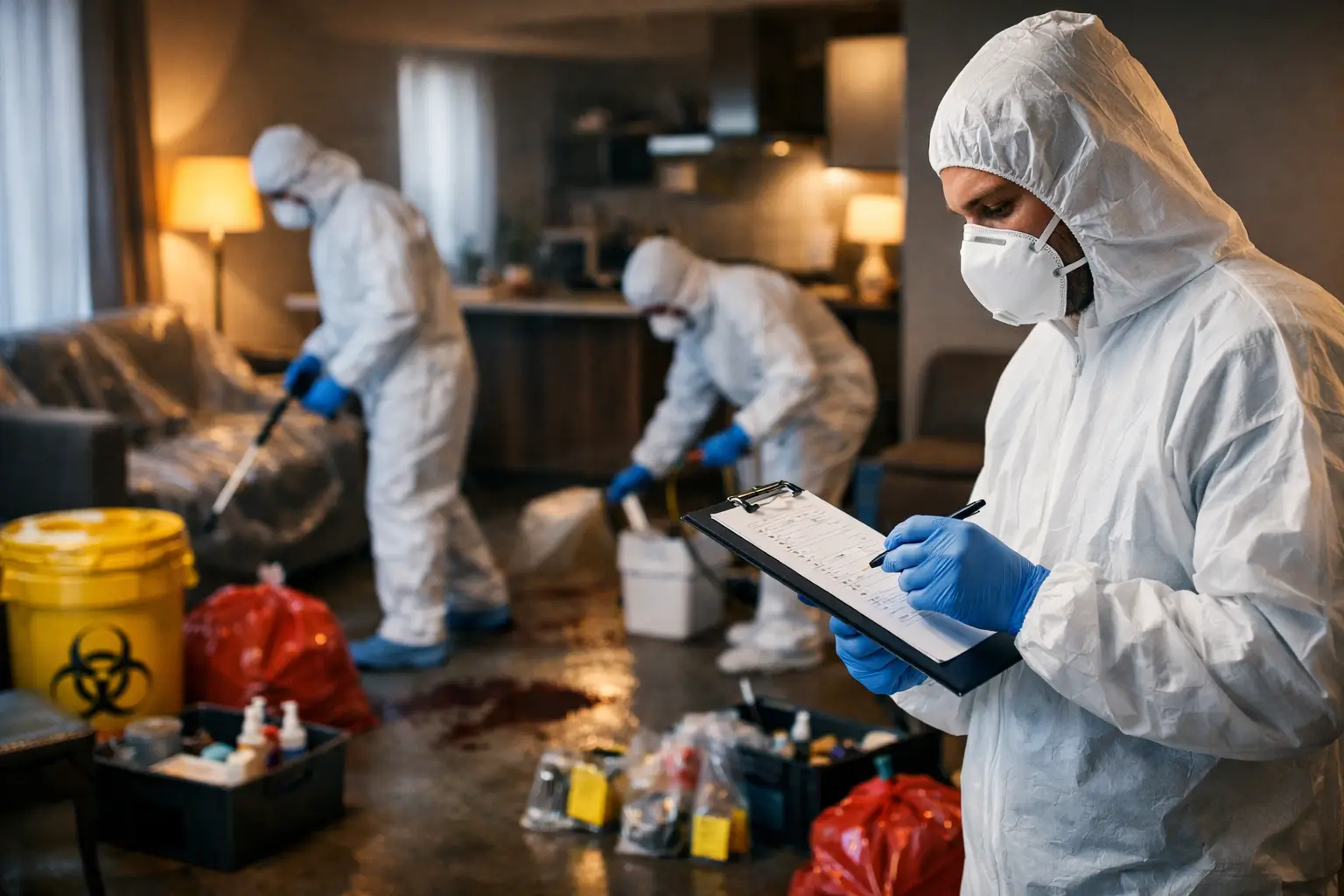
A professional crime scene cleanup company handles the remediation of biohazardous material after traumatic events. That can include homicide, suicide, unattended death, assault, industrial accidents, and other scenes where blood or bodily fluids are present. The goal is not cosmetic cleaning. The goal is to remove contamination, disinfect affected areas, dispose of hazardous waste properly, and restore the property to a safe condition.
That distinction matters. Standard janitorial services are not equipped for this work, and most property owners should never attempt it themselves. Porous materials may need to be removed. Subfloors may be affected. Air quality can become a concern. There are also strict protocols for personal protective equipment, containment, transport, and disposal.
A qualified team typically begins with a site assessment. From there, technicians identify contaminated materials, isolate the area if needed, remove unsafe contents, clean and disinfect surfaces, and verify that the space is ready for the next phase of restoration. In some cases, cleanup is only one part of the job. Drywall, flooring, trim, or structural materials may also need repair or replacement before the property is fully usable again.
Why professional cleanup is about health, not appearance
One of the most common misunderstandings is that if visible staining is removed, the problem is solved. In reality, biohazard cleanup is about exposure control. Blood and bodily fluids can carry pathogens, and contamination can spread farther than people expect through absorbent materials, cracks, or splash patterns.
This is why professional remediation follows a process instead of a quick wipe-down. Technicians use specialized cleaners, disinfectants, and equipment designed for biohazard environments. They also know how to determine what can be salvaged and what cannot. That judgment is important because over-removing materials can raise costs, while under-removing them can leave a health risk behind.
There is also an emotional reason to avoid handling this alone. Families, tenants, and staff should not have to shoulder the burden of cleaning up after a traumatic event. Bringing in trained professionals creates distance from that experience and helps people focus on safety, next steps, and recovery.
When to call a crime scene cleanup company
The obvious time to call is after a violent incident, but the need can extend beyond what many people picture as a crime scene. Any event involving biological contamination may require the same level of care. Unattended deaths are a common example. So are serious injuries, trauma scenes, and some workplace accidents.
Property managers often face a different set of pressures than homeowners. They may be balancing tenant communication, legal responsibilities, unit turnover, and documentation for ownership or insurance. Business owners may need to protect employees, minimize downtime, and preserve a professional environment. In each case, speed matters, but so does doing the work correctly.
If you are unsure whether the situation qualifies, it is still worth calling a professional. A reputable company can explain what level of remediation is needed and whether related services such as odor removal, demolition, or reconstruction may be part of the process.
What to expect from the cleanup process
The first priority is scene access and safety. Cleanup usually begins after law enforcement or other authorities release the property. Once entry is permitted, technicians assess the scope of contamination and create a plan for removal, disinfection, and disposal.
Containment may be set up to prevent cross-contamination, especially if the affected area connects to occupied parts of the property. Crews then remove unsalvageable porous materials such as carpet, pad, drywall, insulation, mattresses, or upholstered items if they have been compromised. Hard surfaces are cleaned and disinfected according to biohazard protocols.
Odor treatment may follow, depending on the event and how long contamination was present. This step can involve more than deodorizing. It may require addressing hidden sources in flooring systems, wall cavities, or HVAC-adjacent areas. Once cleanup is complete, some properties are ready for use, while others move into repairs or reconstruction.
That last part is where many property owners run into frustration. If the cleanup company only handles remediation, you may still need to find separate contractors to rebuild damaged areas. In a crisis, coordinating multiple vendors can slow everything down. Working with a company that can stabilize, clean, and restore the property through reconstruction can make the process far less stressful.
Choosing the right crime scene cleanup company
Not every company offering cleanup services is equally prepared for biohazard work. Training, licensing, and experience matter. You want a team that understands both technical standards and the human side of the job.
Look for clear communication from the first call. In an emergency, vague answers create more anxiety. A dependable company should explain what happens next, what the timeline may look like, and what documentation can be provided for insurance or property records. They should also be honest about trade-offs. For example, faster access to a room does not always mean every restoration step can be shortened. Some materials need to be removed, treated, and dried properly before rebuilding can begin.
Local experience also has value. A company that regularly serves El Paso understands the urgency of emergency response, the expectations of local property owners, and how to coordinate restoration work without making the situation feel more complicated than it already is. For many customers, especially after a traumatic loss, the best partner is not simply the one with equipment. It is the one that brings steadiness, compassion, and a practical plan.
Insurance, documentation, and the details people overlook
Insurance questions often come up right away, and the answer is usually, it depends. Coverage can vary based on the cause of loss, the policy language, and whether the cleanup is tied to a covered event. That uncertainty is one reason documentation matters so much.
A professional cleanup team should record the condition of the site, the scope of work performed, and the materials removed. This helps support claims and gives property owners a clearer picture of what happened. It also reduces confusion later if repairs extend beyond cleanup into reconstruction.
Another overlooked detail is emotional impact on the people connected to the property. Homeowners may not want neighbors or relatives involved. Employers may need discretion to protect staff morale and privacy. Property managers may need a service partner who can work efficiently without creating unnecessary attention. A good company understands that professionalism includes how the work is conducted, not just how thoroughly the area is cleaned.
For families and property owners in stressful situations, companies like GEM Disaster Recovery Corp are valuable because they can address the emergency, document the loss, assist with insurance coordination, and carry the project forward into repairs when needed. That continuity can spare you from having to retell the story and restart the process with each new vendor.
Why compassion matters as much as technical skill
Biohazard cleanup is highly specialized work, but credentials alone are not enough. The people arriving on site are stepping into one of the hardest days of someone else's life. The best teams know how to be efficient without being cold and direct without being harsh.
That balance matters because customers are often overwhelmed. They may be making urgent decisions while in shock, grief, or fear. A reassuring, action-oriented approach helps people regain a sense of control. It turns an unthinkable situation into a series of manageable next steps.
If you ever need a crime scene cleanup company, you should not have to choose between compassion and competence. The right help brings both - a safe path forward, clear communication, and the steady support to help you reclaim the space one step at a time.