What a Fire Damage Repair Estimate Covers
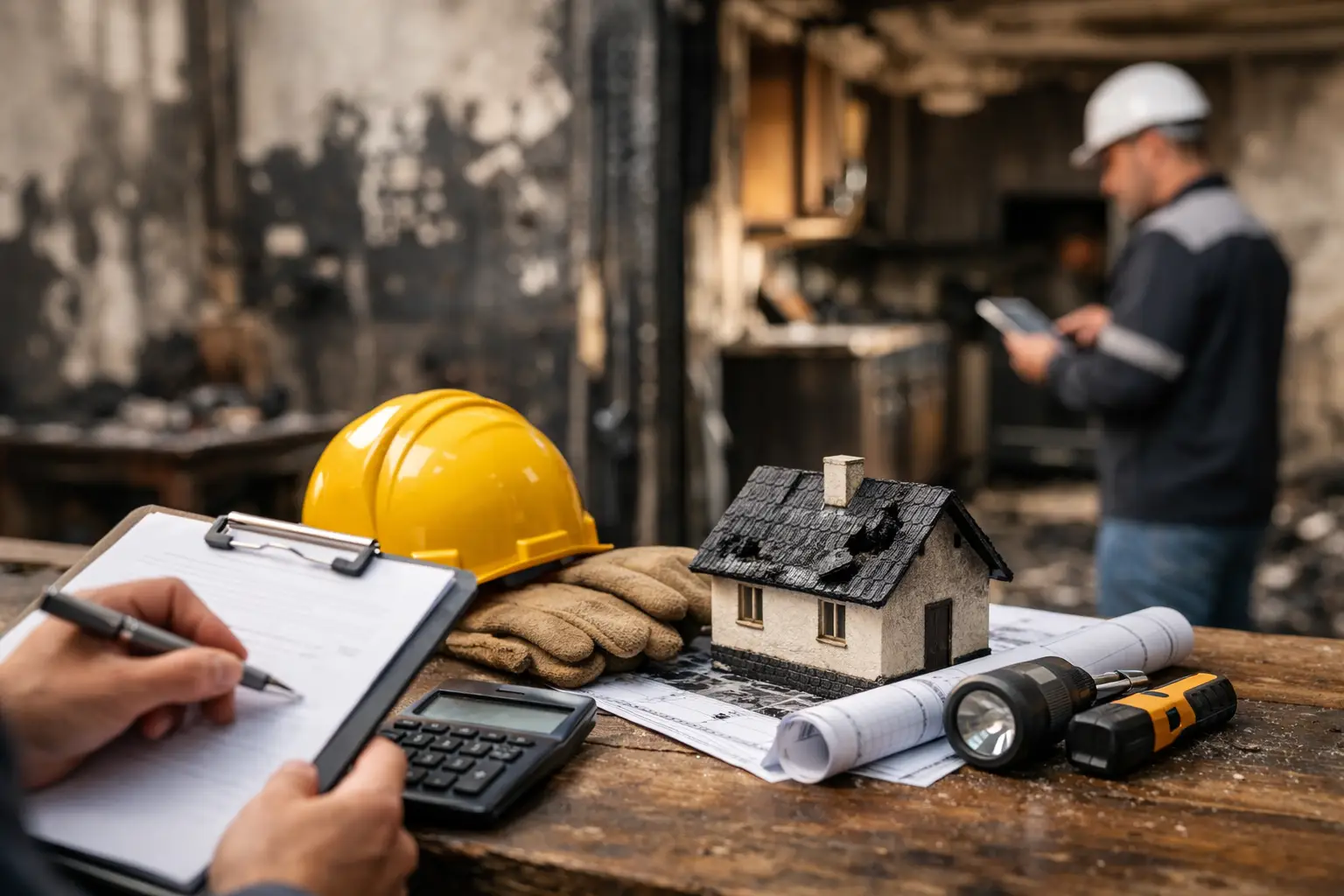
The hardest part after a fire is often not the visible damage. It is the uncertainty. Homeowners, property managers, and business owners want to know what can be saved, what must be replaced, how long repairs will take, and whether the numbers on a fire damage repair estimate actually reflect the full scope of loss.
That estimate matters because it sets the direction for everything that follows. It affects your insurance claim, your repair timeline, your budget, and the quality of the final restoration. If the estimate is too broad, important work may be missed. If it is too narrow, costs can grow later and create more stress when you are already trying to get life or business operations back on track.
What a fire damage repair estimate should include
A proper fire damage repair estimate is not just a rough price for cleaning up charred areas. It should account for emergency stabilization, debris removal, smoke and soot cleanup, odor treatment, structural repairs, and reconstruction where needed. In many cases, it should also include documentation of damage to contents, HVAC systems, insulation, flooring, cabinetry, drywall, and electrical components.
Fire loss is rarely limited to what burned directly. Smoke can travel through a property quickly, leaving residue in rooms that never saw flames. Water used to extinguish the fire can create a second layer of damage. That means an accurate estimate has to look beyond the obvious and evaluate the full chain of impact.
For residential properties, this often includes walls, ceilings, attic spaces, framing, windows, doors, flooring, and personal belongings. For commercial properties, the estimate may also need to address equipment, tenant improvements, inventory, code-related upgrades, and business interruption concerns that affect repair timing.
Why estimates can vary so much
Two properties can experience what seems like a similar fire and still end up with very different estimates. That is normal. Fire damage is highly case-specific.
The size of the affected area is only one factor. The intensity of the fire, the type of materials burned, how long smoke circulated, whether the fire was extinguished quickly, and the age of the building all influence the final scope. A kitchen fire in a newer home may require less structural rebuilding than a small fire in an older property with outdated wiring, hidden smoke spread, or materials that absorb odor deeply.
The estimate can also change depending on access. If damage is confined to one room, repairs may be more straightforward. If the fire affects concealed spaces behind walls, above ceilings, or inside ductwork, the work becomes more involved. Some damage is not confirmed until cleanup begins and affected materials are opened up for inspection.
That does not mean the first estimate is wrong. It means fire restoration often includes conditions that are visible only after the site is stabilized and debris is removed.
The first step is emergency stabilization
Before full repairs are priced with confidence, the property usually needs to be stabilized. This can include board-up services, roof tarping, water extraction, temporary power arrangements, and securing unsafe areas.
These emergency steps protect the property from further loss. They also create safer conditions for inspection. If windows are broken, the roof is compromised, or water is still present, the estimate for repair work may remain incomplete until those issues are handled.
This is one reason many property owners benefit from working with a restoration company that can manage both the emergency response and the rebuilding process. It reduces the handoff problems that happen when one vendor performs mitigation and another tries to estimate reconstruction later without seeing the original conditions.
What line items often appear on the estimate
A detailed estimate should read like a plan, not a guess. You should expect to see room-by-room or area-specific entries that describe labor, material removal, cleaning, repairs, and replacement tasks.
Common categories include demolition of unsalvageable materials, soot and smoke residue cleaning, deodorization, air filtration, duct cleaning, insulation removal and replacement, drywall and paint work, flooring replacement, cabinet repair, electrical evaluation, and structural framing repairs. If water was used to suppress the fire, drying and antimicrobial treatment may also appear.
Contents can be a separate category. Clothing, furniture, electronics, documents, and inventory may need cleaning, pack-out, storage, or disposal. In some losses, contents restoration is a major part of the overall cost. In others, replacement is more practical than restoration. That depends on the item, the level of contamination, and whether safe restoration is possible.
Insurance coordination matters more than most people expect
Many property owners look at a fire damage repair estimate as a contractor document only. In reality, it often becomes a key part of the insurance process.
The estimate should support the claim with clear documentation and logical scope. Photos, moisture readings where water is involved, notes about smoke migration, and details about code-related requirements can all help reduce delays and confusion. If the estimate is vague, missing categories, or inconsistent with the actual damage, that can slow approval or create disputes later.
At the same time, insurance does not always pay for every preference a property owner may want. There can be limits based on policy language, depreciation, exclusions, or code upgrade provisions. That is why honest communication matters. A dependable restoration team explains what is likely part of covered repair work, what may require further review, and where owner choices can affect final pricing.
Red flags to watch for in a fire damage repair estimate
A low number can feel like a relief in a stressful moment, but an unrealistically low estimate often creates bigger problems later. If major categories are missing, the property owner may face supplements, delays, or corner-cutting during repairs.
Be cautious if the estimate does not mention smoke damage outside the burn area, ignores deodorization, skips electrical inspection after heat exposure, or treats water damage as a separate issue that somehow does not matter. Fire restoration is interconnected. An estimate that isolates one problem while ignoring the rest is often incomplete.
It is also worth asking questions if the scope is too generic. Phrases like clean as needed or repair damaged areas are not enough by themselves. You need enough detail to understand what is being cleaned, removed, repaired, and rebuilt.
Why local experience makes a difference
In El Paso, response time, weather conditions, and local building realities all affect how a fire loss should be handled. A local team understands how quickly exposed properties can suffer additional damage, how to document conditions clearly, and how to move from mitigation into reconstruction without unnecessary delays.
That local knowledge also helps when coordinating with adjusters, occupants, and property stakeholders who need updates fast. For homeowners, that can mean less confusion during an already emotional event. For commercial owners and managers, it can mean getting a clearer path back to occupancy and operations.
A family-owned company like GEM Disaster Recovery Corp approaches that process with both urgency and care. The technical side matters, but so does the experience of the people living or working through the loss.
Questions to ask before you approve the estimate
Before repairs begin, take time to understand the scope. Ask whether emergency services are included, whether smoke and odor treatment cover the full affected area, and whether hidden damage could lead to supplements later. Ask who handles the reconstruction and whether the same team will coordinate with insurance throughout the project.
You should also ask how salvageable materials and contents are evaluated. Some items can be restored safely and cost-effectively. Others should be replaced. The right answer depends on contamination, heat exposure, and the value of the item itself.
A good restoration partner will not rush past those questions. They will explain the reasoning, set realistic expectations, and help you understand what comes next.
The goal is clarity, not just a number
After a fire, people naturally want a fast answer on cost. Speed matters, especially when a home is disrupted or a business is losing time. But the best estimate is not the one delivered the fastest or the cheapest. It is the one that gives you a clear, defensible path from damage assessment to full repair.
When a fire damage repair estimate is thorough, you can make decisions with more confidence. You know what is being addressed, what may change as work progresses, and how the project is likely to move forward. In a moment when so much feels unsettled, that kind of clarity is not a small thing. It is the first real step toward getting your property, and your routine, back.