Fire Cleanup Versus Reconstruction: What Comes First?
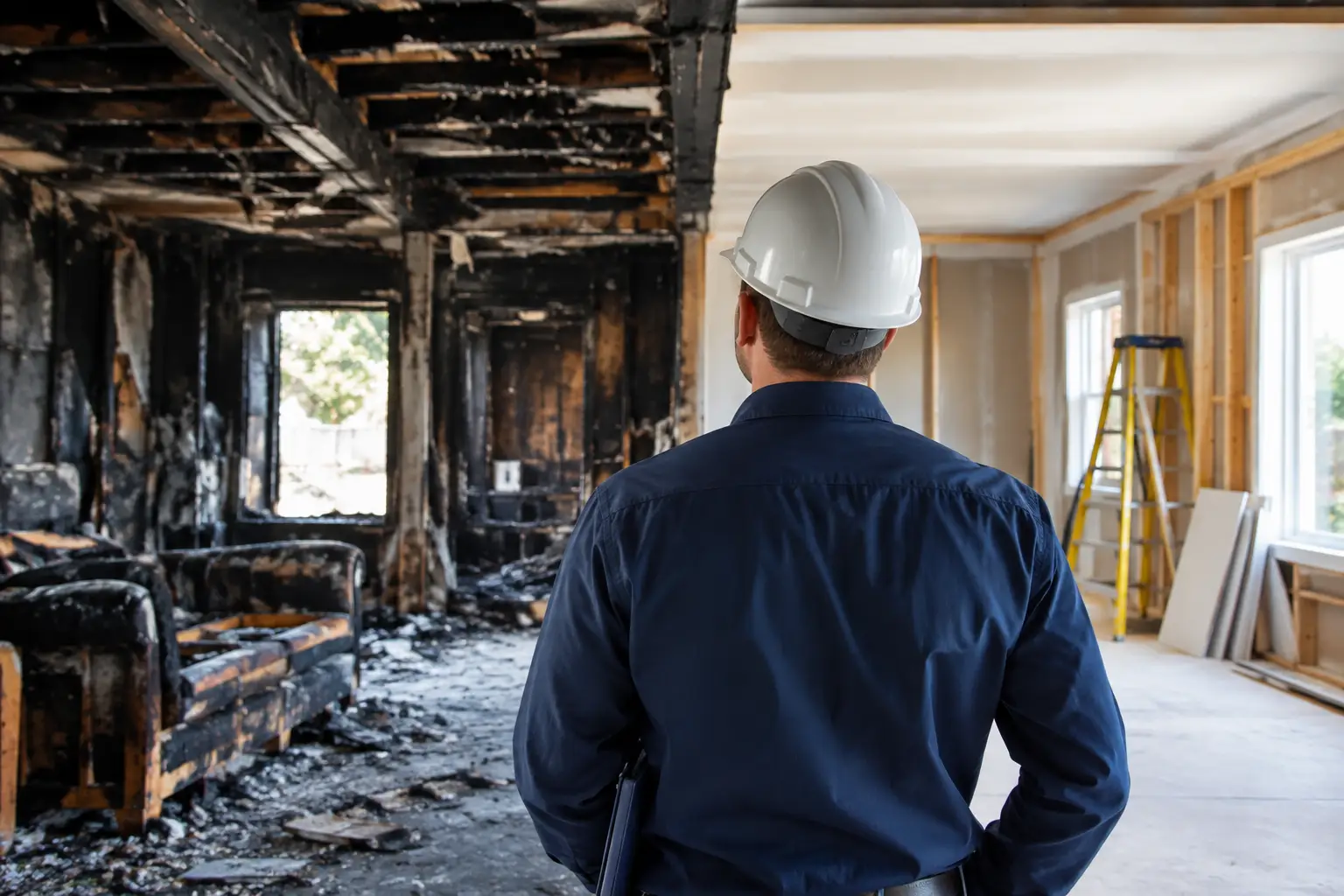
The morning after a fire, the visible damage can make one question feel urgent: do you need cleaning, repairs, or a complete rebuild? The answer usually involves both, but fire cleanup versus reconstruction is not an either-or decision. Cleanup stabilizes the property, removes health hazards, and determines what can be saved. Reconstruction restores the parts of the building that cannot.
For homeowners, property managers, and business owners in El Paso, knowing the difference helps prevent costly mistakes. Starting repairs before the property is dry, clean, documented, and structurally evaluated can trap smoke residue, conceal damage, and complicate an insurance claim. A careful process protects the building and gives you a clearer path forward.
Fire Cleanup Versus Reconstruction: The Core Difference
Fire cleanup, often called fire and smoke damage restoration, focuses on emergency stabilization and recovery. Its purpose is to make the property safer, stop additional damage, remove soot and smoke contamination, address water used to extinguish the fire, and identify salvageable contents and materials.
Reconstruction begins when damaged building components must be repaired or replaced. This can range from replacing drywall, insulation, flooring, cabinets, and paint to rebuilding framing, roofing, electrical systems, plumbing, or an entire room.
The two services are closely connected, but they require different decisions. Cleanup asks, "What can be safely restored?" Reconstruction asks, "What must be rebuilt to return this property to its proper condition?" The extent of each depends on the fire's heat, how long smoke traveled, the amount of firefighting water used, and the condition of the structure after the event.
What Fire Cleanup Includes After a Fire
A professional cleanup process starts with safety, not cosmetics. Fire-damaged properties can contain unstable materials, exposed electrical components, broken glass, sharp debris, contaminated water, and airborne particles that should not be handled without proper precautions.
Emergency stabilization and property protection
If the fire has left openings in the roof, windows, walls, or doors, emergency board-up and temporary protection may be needed immediately. This helps keep out weather, pests, and unauthorized entry while the damage is assessed. It also helps prevent a manageable claim from becoming worse because of rain or wind exposure.
A restoration team will evaluate the site for immediate hazards and may coordinate steps such as shutting off affected utilities or securing dangerous areas. These early actions are not reconstruction. They are protective measures that preserve the property while the full recovery plan is developed.
Water removal and drying
Even a contained fire can leave significant water damage. Fire hoses, sprinklers, and suppression efforts can soak floors, walls, insulation, and contents. If that moisture is not removed promptly, mold growth and material deterioration can follow.
Cleanup includes water extraction, drying equipment, moisture monitoring, and removal of materials that cannot be dried safely. A wall may look fine on the outside while insulation or framing behind it remains wet. This is one reason rushing to close walls or install new finishes can create a more expensive problem later.
Soot, smoke, and odor removal
Soot is not ordinary dirt. Depending on what burned, it can be oily, acidic, dry, or deeply embedded in porous materials. Improper wiping can grind residue into surfaces and spread contamination to unaffected areas.
Professional fire cleanup uses the appropriate methods for each material, including specialized vacuuming, dry cleaning techniques, wet cleaning, controlled demolition, and odor treatment. Smoke can travel far beyond the flames, reaching closets, HVAC pathways, textiles, electronics, and rooms that appear untouched. A thorough inspection matters because odor alone is often a sign that residue remains.
Documentation and salvage decisions
Before damaged items are discarded or major materials are removed, documentation is essential. Photos, moisture readings, itemized notes, and records of emergency services can support insurance coordination and provide a reliable scope of work.
Some belongings can be cleaned and restored. Others, such as heavily charred porous materials, may need removal for safety and odor control. A qualified restoration professional helps distinguish between what is truly salvageable and what may look recoverable but will continue to affect indoor air quality or retain smoke odor.
When Reconstruction Becomes Necessary
Reconstruction is necessary when fire, smoke, heat, or water has damaged materials beyond restoration. It may begin after cleanup is substantially complete, although planning and estimating can happen earlier so there is no unnecessary delay.
The need for reconstruction is not based only on the size of the fire. A small kitchen fire, for example, can require new cabinets, drywall, electrical work, flooring, and repainting if heat and smoke affected those materials. A larger fire may require structural repairs, roof replacement, or rebuilding multiple rooms.
Structural and building-system repairs
Heat can weaken wood framing, warp metal components, damage roof decking, and affect structural connections. Before rebuilding begins, the property should be evaluated for structural safety. Reconstruction may involve repairs directed by qualified contractors and, when needed, engineering or code-related requirements.
Electrical systems also deserve close attention. Wiring, outlets, breaker panels, and appliances exposed to heat, soot, or water may not be safe to reuse without a proper evaluation. The same is true for plumbing and HVAC components. Rebuilding is the stage where these systems are repaired, replaced, and brought back into dependable working order.
Interior restoration and finish work
Once the property is clean, dry, and ready for repairs, reconstruction restores the spaces people live and work in. That may include insulation, drywall, texture, paint, flooring, trim, doors, cabinetry, countertops, and fixtures.
This phase is often where owners begin thinking about design choices. Some upgrades can make sense if materials are already being replaced, but it helps to separate insurance-covered restoration from elective improvements. A clear estimate can identify what is required to restore pre-loss condition and what falls outside that scope.
Why the Order Matters
Cleanup must generally come before reconstruction because hidden moisture, soot, and odor can undermine new materials. Installing new flooring over a subfloor that still holds moisture, or painting over smoke-affected walls without proper treatment, may lead to staining, odors, or failures that surface months later.
The order also matters for insurance documentation. If demolition or repairs happen too quickly without proper records, it can become harder to show the full extent of the original damage. That does not mean waiting to protect the property. Emergency mitigation should happen quickly. It means using a team that knows how to stabilize, document, clean, and rebuild in the right sequence.
For commercial properties, the right sequencing can also reduce downtime. A business may be able to isolate a damaged area, clean unaffected spaces, protect inventory, and plan reconstruction in phases. The best approach depends on the building layout, safety requirements, operational needs, and the extent of contamination.
Choosing One Team for Both Phases
Working with separate cleanup and construction vendors can be appropriate in some situations, especially if a property owner already has a trusted contractor. But it can also create gaps in communication. The cleaning team may identify concealed damage that the reconstruction team did not account for, or the construction team may need clarification on materials removed during mitigation.
A full-service provider can manage the transition from emergency response through rebuilding while keeping the scope, documentation, and schedule connected. For property owners already dealing with a fire loss, that continuity reduces the number of calls, handoffs, and decisions they need to manage.
GEM Disaster Recovery Corp helps El Paso property owners stabilize fire-damaged spaces, address smoke and water damage, coordinate documentation, and move into reconstruction when repairs are needed. The goal is not simply to make the damage less visible. It is to help restore a safe, functional property with clear communication at every stage.
What to Do Before Repairs Begin
After the fire department has cleared the property, avoid entering severely damaged areas or turning on utilities unless you have been told it is safe. Do not attempt to wash soot from walls, use household vacuums on fire debris, or remove heavily damaged materials before they are documented. These actions can spread residue, create hazards, and affect recoverability.
Contact your insurance carrier promptly, then arrange for professional emergency stabilization and assessment. Keep records of conversations, expenses, photos, and any temporary repairs made to protect the property. If you must retrieve essential belongings, ask first whether the area is safe and whether those items need specialized cleaning.
A fire changes a property quickly, but the next steps do not have to be confusing. With cleanup handled carefully and reconstruction planned around the real condition of the building, recovery becomes a sequence of manageable decisions rather than one overwhelming project.