Emergency Roof Tarp Installation After Storm Damage
A roof can look mostly intact from the ground after a severe El Paso storm, yet a few lifted shingles, cracked tiles, or a puncture near a vent can let water into the structure with the next rainfall. Emergency roof tarp installation is the temporary protection that helps stop that damage from spreading while a permanent repair plan is put in place.
For a homeowner, property manager, or business owner, the goal is not to make the roof look repaired overnight. It is to stabilize the property safely, protect the interior, document the loss, and buy time for a qualified inspection and proper restoration.
What an Emergency Roof Tarp Is Designed to Do
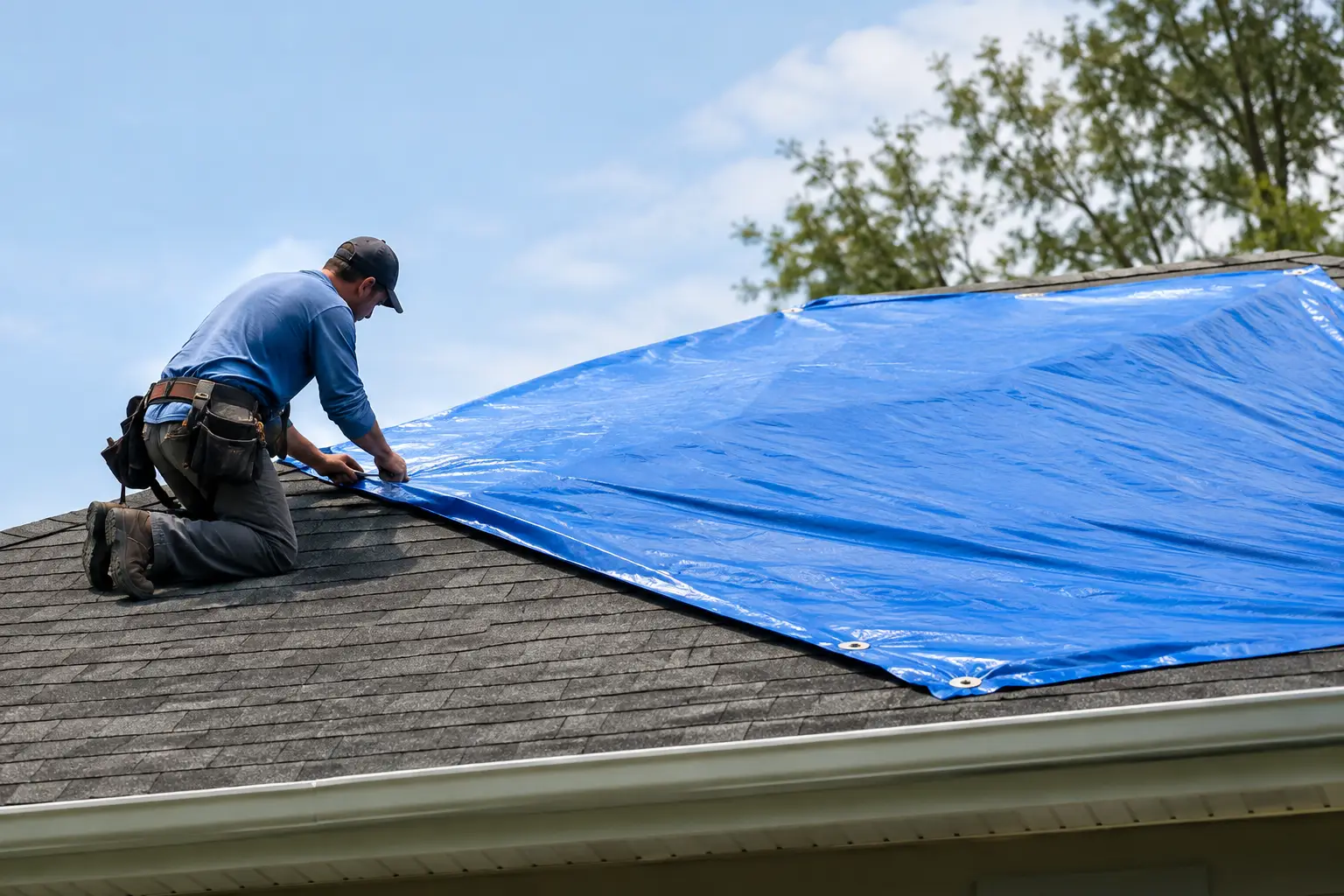
A professionally installed roof tarp creates a temporary weather barrier over a damaged section of roof. Heavy-duty tarp material is positioned to direct water away from the opening and secured to withstand normal wind exposure as safely as conditions allow. It can protect areas damaged by wind, hail, fallen branches, fire suppression efforts, or sudden roof failures.
The word temporary matters. A tarp is not a substitute for roof repair or replacement, and it should not be treated as one. Sun exposure, high winds, repeated rain, and shifting debris can weaken a temporary covering over time. Its purpose is to reduce additional water intrusion until the roof can be fully evaluated and repaired.
That distinction can make a major difference in the rest of the recovery process. Stopping new water from entering gives restoration professionals a better chance to dry wet materials, limit mold growth, preserve unaffected belongings, and identify the true scope of the original loss.
When Emergency Roof Tarp Installation Is Needed
The need is not always obvious. Missing shingles and a tree limb through the roof are clear warning signs, but smaller failures can be just as urgent. Water stains spreading across a ceiling, damp insulation in an attic, dripping around light fixtures, or a musty odor after a storm may all point to a compromised roof.
A tarp may also be needed after a fire. Even when flames do not consume the entire roof, burned decking, damaged vents, and openings created during firefighting can leave the building exposed to rain and wind. In commercial properties, a small breach can threaten inventory, equipment, tenant spaces, and daily operations.
If water is actively entering the property, stay away from sagging ceilings and areas near electrical fixtures or outlets. Move people, valuables, and electronics away from the affected space if it is safe to do so. Avoid climbing onto the roof, especially at night, during high winds, or after rain. The risk of a fall is real, and walking on a damaged roof can make the problem worse.
Why Professional Installation Is Safer and More Effective
It can be tempting to throw a tarp over the roof as quickly as possible. In some cases, a careful ground-level response, such as placing containers under a drip and moving belongings, is the right immediate step. But securing a tarp correctly requires more than covering the visible hole.
A professional crew evaluates where water is entering and where it may travel beneath roofing materials. The tarp must extend beyond the damaged area so water does not run under its edges. It also needs to be secured in a way that limits wind lift without creating unnecessary damage to the roof deck or remaining shingles.
The condition of the property changes the approach. A low-slope commercial roof, tile roof, shingle roof, and fire-damaged roof all require different handling. Wind conditions matter too, particularly in El Paso, where sudden gusts can turn loose materials into hazards. A tarp installed without proper anchoring may tear free, allow water underneath, or create a danger for neighbors and passersby.
Professional emergency service also provides a clearer record of what happened. Photos, moisture observations, and notes about visible roof damage can support the insurance process and help guide the next phase of repair. Documentation does not guarantee coverage, but it helps establish the condition of the property and the mitigation steps taken to prevent further loss.
What Happens During the Emergency Response
A reliable response begins with safety. The crew checks for unstable roof areas, downed lines, standing water, structural concerns, and hazards caused by debris. If conditions are unsafe, temporary measures may need to wait until weather improves or the site can be secured appropriately.
Once the area is accessible, the team identifies the likely source of the intrusion and assesses affected interior areas. This is critical because roof water does not always drip directly below the opening. It can travel along rafters, insulation, wiring pathways, and ceiling cavities before becoming visible.
The damaged section is then covered with a properly sized tarp, positioned to shed water away from the breach. The team secures it using methods suited to the roof type and damage condition. Inside, they may recommend or begin water mitigation steps, including moisture inspection, water extraction where needed, controlled drying, and protection of contents.
At GEM Disaster Recovery Corp, emergency stabilization is approached as the first part of recovery, not a separate task. The objective is to help protect the building now while creating an organized path toward drying, repairs, reconstruction, and insurance coordination.
Protecting the Interior After the Roof Is Covered
A tarp can stop additional rain from entering, but it cannot reverse moisture already trapped inside the building. Wet insulation, ceiling materials, wood framing, carpeting, and wall cavities may require professional drying. Leaving them untreated can lead to staining, warping, material deterioration, and mold growth.
This is where timing matters. A property that appears dry on the surface may still hold moisture behind walls or above ceilings. Moisture detection equipment helps locate affected areas so the drying plan can focus on what needs attention rather than removing materials unnecessarily.
For businesses and multifamily properties, temporary protection should also account for occupied spaces. A thoughtful response may include isolating the affected area, protecting walkways, relocating vulnerable contents, and communicating clearly with tenants or employees. The right plan depends on the size of the loss, building layout, roof system, and whether the property can remain safely occupied.
Insurance Documentation Without Added Confusion
After a storm, property owners often face two urgent tasks at once: preventing further damage and starting an insurance claim. Taking reasonable steps to protect the property is generally expected, but keep receipts, photographs, and records of emergency services and damaged materials.
Before-and-after photos are useful, especially if weather conditions change the appearance of the damage. Document visible roof damage from a safe location, interior water impacts, affected contents, and the date and time the issue was discovered. Do not discard damaged materials until you understand what your insurer needs for inspection or documentation.
A restoration provider can help organize the mitigation details that support the claim process. That does not replace your insurer's decision-making, and coverage depends on your policy and the cause of loss. It does, however, reduce the burden of trying to explain technical damage while managing an already stressful situation.
Do Not Wait for the Next Rainfall
A small leak can become a much larger restoration project after one more storm. Water can spread beyond the original entry point, affect electrical components, compromise finishes, and disrupt the normal use of a home or business. Prompt emergency roof tarp installation is often the practical step that prevents a difficult situation from becoming more expensive and disruptive.
If your roof has been damaged, focus first on safety and protecting the property from further exposure. A temporary tarp cannot rebuild what was damaged, but it can create the dry, stable starting point that a careful recovery needs.