Does Homeowners Insurance Cover Mold?
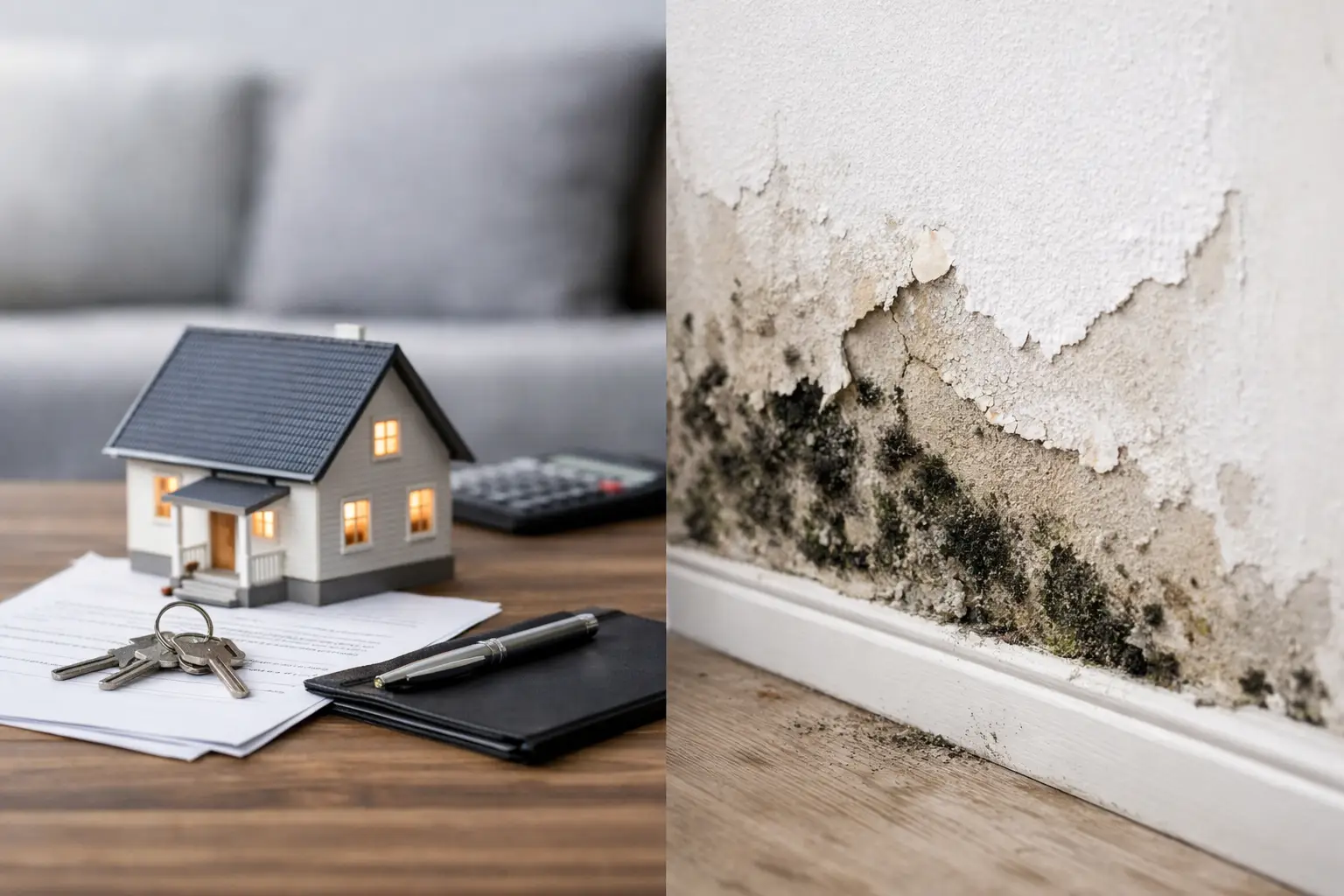
Finding mold on a wall or ceiling usually means something else happened first - a leak, a hidden plumbing issue, storm damage, or moisture that lingered too long. That is why one of the first questions property owners ask is, does homeowners insurance cover mold? The honest answer is that sometimes it does, but coverage usually depends on what caused the mold and how quickly the problem was addressed.
For homeowners in El Paso, that distinction matters. A small patch of mold can turn into a larger restoration issue fast, especially when water has moved behind drywall, under flooring, or into insulation. Insurance companies often look less at the mold itself and more at the event that led to it.
Does homeowners insurance cover mold in every case?
Usually, no. Homeowners insurance does not automatically cover all mold damage just because mold is present. In many policies, mold remediation is covered only when the mold results from a sudden and covered peril.
For example, if a pipe bursts unexpectedly and water damage leads to mold growth before the issue can reasonably be resolved, there is a stronger chance the claim may be covered. If mold developed because of a long-term leak under a sink that went unaddressed for months, the insurer may treat that as a maintenance issue and deny the claim.
That difference can feel frustrating when you are staring at damaged walls and a musty odor, but it is how many policies are written. Insurance is generally designed to help with sudden, accidental losses, not preventable wear, neglect, or deferred repairs.
What causes mold claims to be covered
A mold claim has a better chance of approval when the mold is tied directly to a covered water loss. The key issue is whether the original event falls within your policy.
Sudden and accidental water damage
This is one of the most common scenarios where mold may be covered. If a washing machine supply line fails, a pipe bursts, or an appliance suddenly leaks and the resulting moisture leads to mold, your policy may help pay for cleanup, repairs, and possibly mold remediation up to certain limits.
Even then, coverage is rarely unlimited. Some policies cap mold-related benefits at a relatively low amount, even if the overall water claim is covered. That means the water damage itself may be insured, but the mold remediation portion could have a separate limit.
Water damage from a covered storm event
If wind-driven rain enters after storm damage to the roof or structure, and mold develops as a result, coverage may be possible if the storm damage is covered. The insurance company will usually want documentation showing when the event happened, what areas were affected, and what steps were taken to reduce further damage.
Fire suppression water
After a fire, water used to extinguish the flames can create moisture problems throughout the property. If mold follows that kind of loss, it may be considered part of a covered fire-related claim.
When mold damage is often denied
Most denied mold claims come down to one issue: the insurer believes the problem developed over time and could have been prevented.
Long-term leaks and ongoing moisture
If a pipe has been dripping behind a wall for weeks or months, or a roof leak has been allowing moisture into the attic over time, insurers often classify the damage as gradual deterioration rather than a sudden event. In that situation, mold cleanup may not be covered.
High humidity and poor ventilation
Mold in bathrooms, laundry rooms, closets, or HVAC-affected spaces can be blamed on condensation, humidity, or inadequate ventilation. Those conditions are often seen as maintenance-related, which means the policy may not respond.
Flood-related mold
This catches many property owners off guard. Standard homeowners insurance usually does not cover flood damage. If rising water entered the home from outside and mold grew afterward, that claim would usually fall outside a standard homeowners policy unless separate flood insurance applies.
Why the cause matters more than the mold itself
Mold is often the visible result of a water problem that started earlier. Insurance adjusters and restoration teams both work backward from what you can see now to determine what happened, how long it has been happening, and whether the loss was sudden or ongoing.
That is why documentation matters so much. Photos, moisture readings, repair history, plumbing records, and a professional inspection can all help clarify whether the mold came from a covered event or from a condition the insurer considers preventable.
In practical terms, this means two homes with similar-looking mold damage may have very different claim outcomes. One may involve a recent pipe burst with immediate mitigation. The other may involve years of hidden moisture behind a vanity. The mold may look similar, but the insurance decision may not.
What to do right away if you find mold
The first priority is not the claim. It is stopping the moisture source and protecting the property from getting worse.
If you can safely identify the source, shut off the water or limit further intrusion. Avoid disturbing large contaminated areas, because mold spores can spread when damaged materials are moved without proper containment. If the affected area is significant, or if there is a strong odor and visible staining on multiple surfaces, professional inspection and mitigation are usually the safest next step.
Then notify your insurance company promptly if you think the mold may be tied to a covered event. Waiting too long can create problems. Insurers often expect homeowners to take reasonable steps to mitigate damage after a loss. If water sits and the mold expands because no action was taken, coverage may become harder to secure.
How restoration documentation can support a claim
When mold is connected to water damage, clear documentation can make a real difference. A qualified restoration company can help identify the extent of moisture intrusion, document affected materials, and show what emergency steps were needed to stabilize the property.
That includes things like moisture mapping, photos of damaged areas, notes on category of water loss when relevant, and records of drying or containment efforts. This kind of detail helps show that the issue was treated seriously and that additional damage was not allowed to spread unchecked.
For homeowners already dealing with stress, this support matters. A well-documented file gives the adjuster a clearer picture and reduces the chance that important facts are missed.
Does homeowners insurance cover mold remediation or just repairs?
This depends on the policy language. Some policies may cover tearing out and replacing damaged building materials but place stricter limits on actual mold remediation. Others may include mold cleanup only as an additional endorsement or only up to a specific dollar amount.
That means you should not assume full coverage just because part of the claim is approved. In some cases, the insurer may pay for repairing the burst pipe and replacing sections of drywall, but only contribute a limited amount toward mold removal, air filtration, or specialized cleaning.
This is one reason restoration professionals often recommend reviewing your policy before an emergency happens. Knowing whether you have mold endorsements, water backup coverage, or flood coverage can prevent unpleasant surprises later.
Common policy terms that affect mold coverage
You do not need to become an insurance expert overnight, but a few terms are worth checking in your policy.
Look for wording related to sudden and accidental discharge of water, exclusions for repeated seepage or leakage, mold or fungus limitations, and any endorsements that expand mold coverage. Also review your duties after loss. Those sections explain what steps you are expected to take once damage is discovered.
If the language feels unclear, ask your agent or claims representative direct questions. Ask whether mold from a burst pipe is covered, whether there is a cap on mold remediation, and what documentation they will need.
When professional help becomes urgent
Not every mold issue starts as an emergency, but many become one when moisture remains active. If walls feel damp, flooring is buckling, paint is bubbling, or the affected area keeps expanding, it is time to act quickly. The longer the moisture remains, the harder and more expensive the cleanup often becomes.
A company like GEM Disaster Recovery Corp can help property owners move from emergency stabilization to remediation and rebuilding while also supporting the insurance side with documentation and communication. That matters when you need one team to reduce confusion, protect the property, and keep the process moving.
The hardest part of mold damage is that it rarely arrives with perfect timing or a simple answer. If you find it, focus first on stopping the moisture, getting a professional assessment, and understanding what your policy actually says. Fast action will not guarantee coverage, but it often gives you the best chance to protect both your home and your claim.