Contents Cleaning After a House Fire: What Stays?
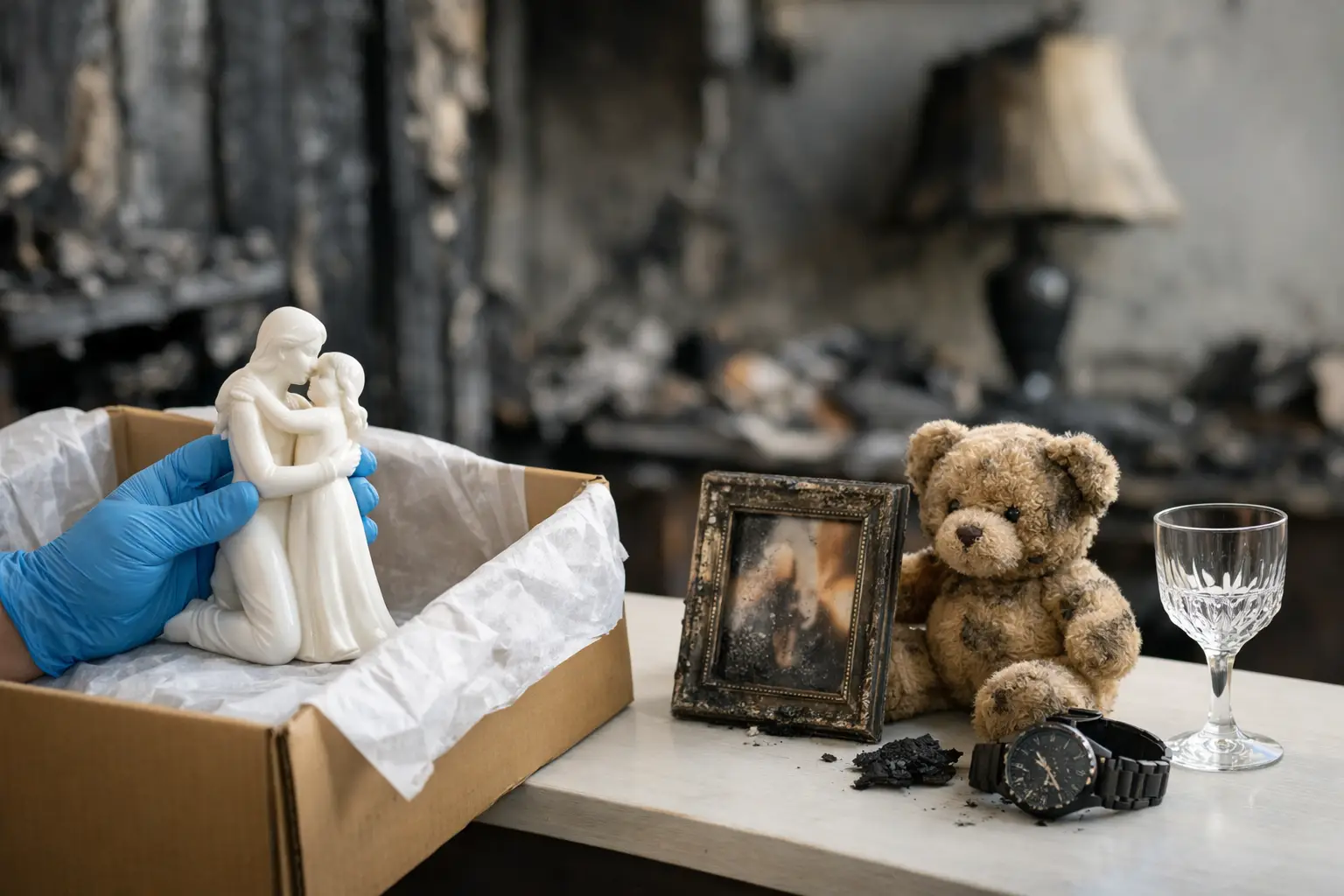
The fire may be out, but the damage does not stop at the walls. Smoke can settle into clothing, family photos, furniture, electronics, paperwork, and inventory within hours. Contents cleaning after house fire is the careful process of identifying what can be recovered, protecting it from further damage, and restoring it safely whenever possible.
For homeowners and business owners, this work is about more than replacing objects. It is about preserving the things that make a house feel like home, keeping business operations moving, and giving your insurance claim a clear record of what was affected. The right response starts quickly, but it should never be rushed.
Why Fire-Damaged Contents Need Professional Attention
Smoke residue is not one-size-fits-all. A small kitchen fire, an electrical fire, and a structure fire can each leave behind different residues. Some are dry and powdery, while others are oily, sticky, acidic, or difficult to see. Heat can also warp plastics, weaken fabrics, damage finishes, and push smoke deep into porous materials.
A common mistake is trying to wipe everything down with a household cleaner before the property has been assessed. That can smear soot into surfaces, set odors into fabrics, or remove evidence needed for insurance documentation. Water from firefighting efforts creates another concern: belongings may be dealing with both smoke contamination and moisture damage at the same time.
Professional restoration teams use the proper cleaning method for the material and type of residue involved. More importantly, they help you make informed decisions about what is salvageable, what needs specialized treatment, and what is safer to replace.
Contents Cleaning After House Fire Starts With Triage
The first stage is not cleaning. It is stabilization and inventory. Once the property is safe to enter, technicians document affected rooms and belongings, often with photographs and detailed lists that can support an insurance claim. Items are then sorted based on condition, material, sentimental or financial value, and the likelihood of successful restoration.
Some belongings need immediate action. Wet documents can develop mold, metal items may begin to corrode, and electronics exposed to soot can be damaged further if they are turned on. Clothing and linens may be recoverable, but they should be separated from unaffected items to avoid spreading odor and residue.
During this stage, it helps to think in three categories: items that can be cleaned on-site, items that need to be packed out for specialized treatment, and items that are not safe or practical to restore. A reputable restoration company will explain those decisions clearly rather than promising that every item can be saved.
What Can Often Be Restored
Many fire-damaged belongings are more recoverable than they first appear. Hard, nonporous items such as glass, metal, ceramic, and certain plastics can often be cleaned when heat damage is limited. Furniture, area rugs, clothing, drapes, books, artwork, and documents may also be candidates for restoration, depending on the severity of soot, odor, water exposure, and charring.
Electronics require particular care. A television, computer, appliance, or business equipment may look fine on the outside while soot has settled inside sensitive components. These items should be evaluated before they are plugged in or used. In some cases, specialized electronics cleaning and testing can prevent a costly replacement.
Sentimental items deserve extra attention, too. Photographs, heirlooms, keepsakes, and collections may not have a high market value, but they can be irreplaceable to a family. Tell the restoration team about these items early so they can be prioritized during pack-out and cleaning.
When Replacement Is the Safer Choice
Not everything should be restored. Heavily charred materials, food and medication exposed to smoke, porous items with severe contamination, and belongings with permanent heat damage may need to be discarded. Upholstered furniture and mattresses can be difficult decisions because smoke can penetrate beneath the surface, where cleaning cannot always fully remove contaminants or odor.
The answer depends on the fire, the item, and the level of exposure. A trusted professional should give you an honest assessment, document the reason for replacement, and avoid pushing a cleaning solution when it is not appropriate.
How Professional Contents Cleaning Works
Cleaning methods are selected based on what the item is made of and the kind of damage it has sustained. Dry soot may be removed with specialized sponges, HEPA vacuuming, and controlled dry-cleaning techniques. Oily residues may require wet cleaning, foam cleaning, or carefully selected detergents. Delicate belongings often need hand cleaning rather than aggressive treatment.
Textiles, including clothing, linens, and soft goods, may be handled through restoration laundry processes designed to remove smoke odor and residue without damaging fibers. Furniture can be cleaned, deodorized, and treated to address residue in crevices and upholstery. Documents and books may require freeze-drying or other specialty methods when water is part of the loss.
Odor removal is equally important. Covering smoke smell with fragrance is not restoration. Effective deodorization addresses the odor particles left behind on and within materials. Depending on the situation, technicians may use targeted cleaning, air filtration, hydroxyl treatment, ozone treatment in controlled unoccupied areas, or other professional methods. The right approach depends on the contents, the space, and whether people or pets are present.
Pack-Out Protects Belongings and the Recovery Process
For significant losses, moving contents to a secure cleaning facility may be the best option. This process is known as a pack-out. Each item is inventoried, labeled, photographed when appropriate, packed carefully, and tracked from removal through return.
A pack-out can give the reconstruction team room to work while protecting belongings from dust, humidity, additional smoke disturbance, or accidental damage at the property. It also allows specialists to focus on contents cleaning in a controlled environment rather than trying to treat every item in a damaged home or business.
For commercial properties, this can include office furniture, files, product inventory, equipment, and furnishings. Fast, organized contents handling can reduce downtime and help business owners understand what needs to be cleaned, replaced, or submitted to insurance.
What You Should Do Before Help Arrives
Your first priority is always safety. Do not enter a fire-damaged building until fire officials or qualified professionals say it is safe. Avoid handling charred materials, exposed wiring, standing water, or soot-covered electronics. Soot can irritate the skin and lungs, and compromised structures can create serious hazards.
If it is safe and you have access, take broad photos of each affected room before moving anything. Make a note of high-value and sentimental items, but do not begin deep cleaning. Keep receipts for emergency purchases and temporary lodging, and save communication related to the loss.
If a window, door, or roof opening has been damaged, prompt board-up or tarping matters. El Paso's dry climate does not prevent secondary damage. Wind-blown dust, temperature swings, and unexpected moisture can make the recovery harder and expose contents to further contamination.
Insurance Documentation Matters as Much as Cleaning
A well-managed contents claim requires more than a list written from memory. Insurance carriers may need item descriptions, estimated age, condition, photos, cleaning assessments, and replacement recommendations. Detailed documentation supports a more accurate claim and reduces confusion later in the process.
Keep in mind that insurance policies differ. Some provide replacement cost coverage, while others account for depreciation. Some policies have specific limits for jewelry, collectibles, business equipment, or electronics. A restoration provider cannot interpret your policy for you, but they can provide organized records and communicate the scope of cleaning and restoration work needed.
GEM Disaster Recovery Corp helps El Paso property owners coordinate the recovery process from emergency stabilization through contents care, structural restoration, and rebuilding. Having one experienced team manage the moving parts can reduce the stress of working with multiple vendors while your property is still in crisis.
Give Important Belongings Their Best Chance
After a fire, it is natural to focus on the visible damage. Yet the belongings inside often carry the deeper personal and financial impact. Quick professional assessment gives furniture, records, clothing, inventory, and family keepsakes the best chance of being restored without risking further damage.
You do not need to decide what is salvageable while standing in a smoke-damaged room. Secure the property, protect your health, document what you can, and let trained restoration professionals bring order to the next step. Careful contents cleaning can preserve more than possessions - it can help restore a sense of normalcy when you need it most.