How to Choose a Flooded Basement Cleanup Company
At 2 a.m., a flooded basement rarely looks dramatic at first. It looks like a few inches of water around storage boxes, a damp water heater closet, or a musty smell that tells you the problem has already been there longer than you hoped. That is usually the moment people start searching for a flooded basement cleanup company, and the right response in those first hours can make the difference between a manageable restoration and a much larger repair.
A basement flood is not just a cleanup problem. It is a structure, moisture, air quality, and timeline problem all at once. Water moves into drywall, insulation, flooring, framing, furniture, and anything stored low to the ground. Even when standing water seems limited, hidden moisture can continue spreading behind walls and under materials long after the visible puddles are gone.
That is why choosing a company should be about more than who can remove water fastest. Speed matters, but so do training, equipment, documentation, and the ability to carry the job from emergency mitigation through repairs if needed.
What a flooded basement cleanup company should actually do
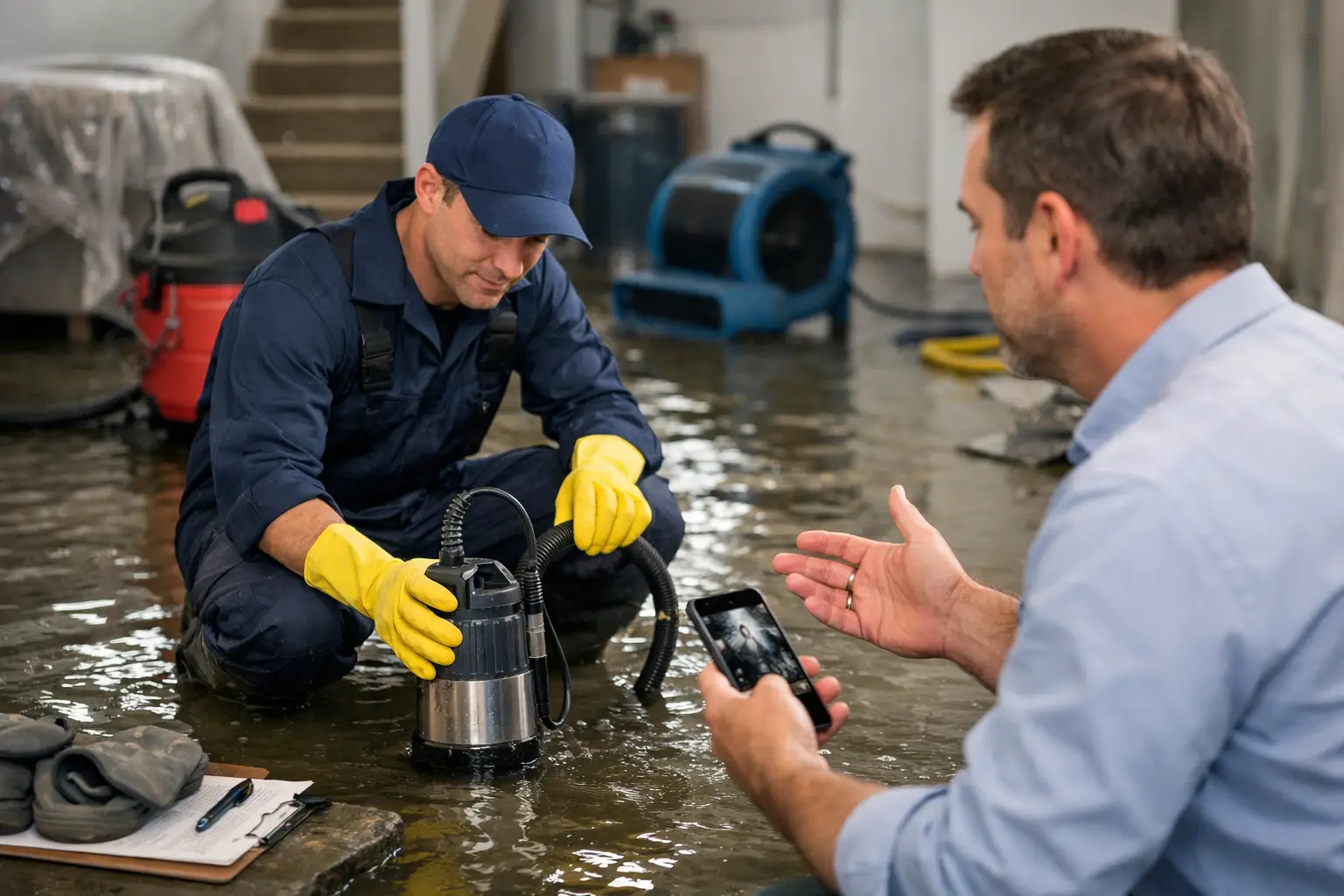
A professional response starts with stabilization. That usually means identifying whether the water source is active, stopping additional intrusion if possible, assessing safety hazards, and beginning extraction right away. Basements can present electrical risks, contaminated water concerns, and slip hazards, so a trained crew should approach the area carefully rather than treating it like a simple wet floor.
After extraction, the real work begins. Water trapped in porous materials does not dry on its own quickly enough to prevent secondary damage. A qualified team uses moisture mapping, meters, air movers, and dehumidification equipment to dry the structure based on readings, not guesswork. If materials are too damaged or unsanitary to save, they should explain what needs to be removed and why.
Cleanup can also include sanitizing affected surfaces, odor control, debris removal, and detailed documentation for insurance. If the flooding came from a sewer backup or other contaminated source, that changes the scope significantly. In that case, the job is not only about drying. It becomes a health and safety issue that requires proper containment, removal, and cleaning protocols.
Why fast response matters in basement flooding
Time matters because water damage keeps developing after the leak stops. Within hours, materials begin absorbing moisture more deeply. Within a day or two, drywall can swell, flooring can separate, and the conditions that support microbial growth become more likely. The longer moisture remains, the harder it is to avoid demolition, odor issues, and mold-related concerns.
Basements are especially tricky because they tend to have lower airflow, fewer windows, and more hidden cavities. Water can settle beneath flooring, behind paneling, or into insulation without obvious warning signs. A homeowner may see one wet area while the moisture has already spread much farther.
Quick action also helps with cost control. A prompt, professional dry-out may preserve materials that would otherwise need replacement. That does not mean every item can be saved, because some materials are simply too saturated or contaminated. But early intervention gives you more options.
How to evaluate a flooded basement cleanup company
The best company for the job is usually the one that combines emergency urgency with a clear process. You want to hear that they can respond quickly, but you also want to know what happens after they arrive.
Start with experience. Basement flooding can come from plumbing failures, heavy rain, groundwater intrusion, appliance leaks, or sewage backups. Each scenario calls for slightly different handling. A company with real restoration experience should be able to explain the likely risks, the expected drying plan, and whether reconstruction may be needed after mitigation.
Credentials matter too. Certified and licensed professionals bring more than a title. They are more likely to understand moisture detection, contamination categories, material salvage decisions, and safe drying practices. That can protect both your property and your claim documentation.
Ask about equipment and monitoring. Drying a basement is not solved by setting out a few fans. A professional crew should use commercial extraction tools, dehumidifiers, air movers, and moisture meters, then return as needed to monitor progress. Drying plans often need adjustments depending on the basement layout, material types, and how long the water was present.
It also helps to ask whether the company can manage the full project. Some companies only extract water and leave you to find separate contractors for tear-out, repairs, and rebuilding. Others can handle mitigation, cleanup, repairs, and reconstruction under one roof. When a property is already in crisis, fewer handoffs usually mean less stress and fewer delays.
Questions worth asking before you hire
A good company should welcome practical questions. Ask how quickly they can arrive, whether they are available after hours, and what they do first when they get on site. Ask how they document damage, how they determine what can be saved, and how they track moisture during drying.
You should also ask about insurance coordination. Many property owners are not sure what to document, what to remove, or how to communicate the loss clearly. A company that understands insurance workflows can help reduce confusion, though they should still be careful not to promise coverage decisions they do not control.
If the basement contains finished walls, flooring, stored contents, or business inventory, bring that up early. A more complete initial conversation helps the crew arrive prepared for the actual scope of loss instead of a generic water cleanup call.
Warning signs you are hiring the wrong team
If a company offers a quote without inspecting the loss, that is a concern. Basement flooding can vary widely depending on water type, affected materials, and how far the moisture traveled. A reliable contractor may provide a range or explain likely costs, but a real plan requires inspection and measurements.
Be cautious if the conversation is only about water removal and not drying. Extraction is critical, but it is only one phase. If no one mentions moisture readings, equipment placement, monitoring, or potential hidden damage, the job may be treated too narrowly.
Another red flag is poor communication. During a water loss, you should not have to chase basic updates. Clear communication matters because you need to understand what is happening in your property, what comes next, and whether any safety issues remain.
Basement flooding is not always a simple water loss
Some floods are cleaner than others. Water from a broken supply line is different from storm-driven intrusion, and both are very different from sewage contamination. That distinction affects cleanup methods, disposal decisions, and what can reasonably be salvaged.
There is also the question of why the basement flooded. Cleanup addresses the immediate damage, but long-term protection may require plumbing repair, drainage improvements, sump pump evaluation, grading corrections, or reconstruction choices that better resist future water exposure. A thoughtful restoration company will stay in its lane while still helping you see the bigger picture.
This is where a full-service provider can make a real difference. If demolition, mold remediation, or rebuilding become necessary, continuity matters. Homeowners and property managers already have enough to juggle after a loss. Working with one dependable team can reduce friction at every stage.
For property owners in El Paso, that is one reason local companies like GEM Disaster Recovery Corp are often trusted in emergencies. Fast response matters, but so does having a team that understands restoration, reconstruction, and the stress that comes with both.
What to expect during the cleanup process
Most professional basement flood jobs follow a practical sequence. First comes emergency response and inspection. Then water extraction, moisture detection, and immediate stabilization. After that, the drying phase usually lasts several days, with equipment adjusted based on readings and material conditions.
If parts of the basement cannot be saved, controlled removal follows. Cleaning and sanitizing may happen during or after drying depending on the source of the water and the materials affected. Once the basement is dry and safe, repair or reconstruction can begin.
That timeline depends on the severity of the loss. A small appliance leak in an unfinished basement is very different from standing contaminated water in a finished lower level with insulation, drywall, flooring, and contents damage. The right company should be honest about that difference instead of giving false certainty.
Choosing a flooded basement cleanup company is really about choosing how your property will be handled during a high-stress moment. Look for a team that moves quickly, explains clearly, documents thoroughly, and has the skill to carry the work beyond the first emergency visit. When the water is gone, what matters most is whether your basement is truly dry, safe, and ready for the next step.