Ceiling Water Damage Repair: What to Do Fast
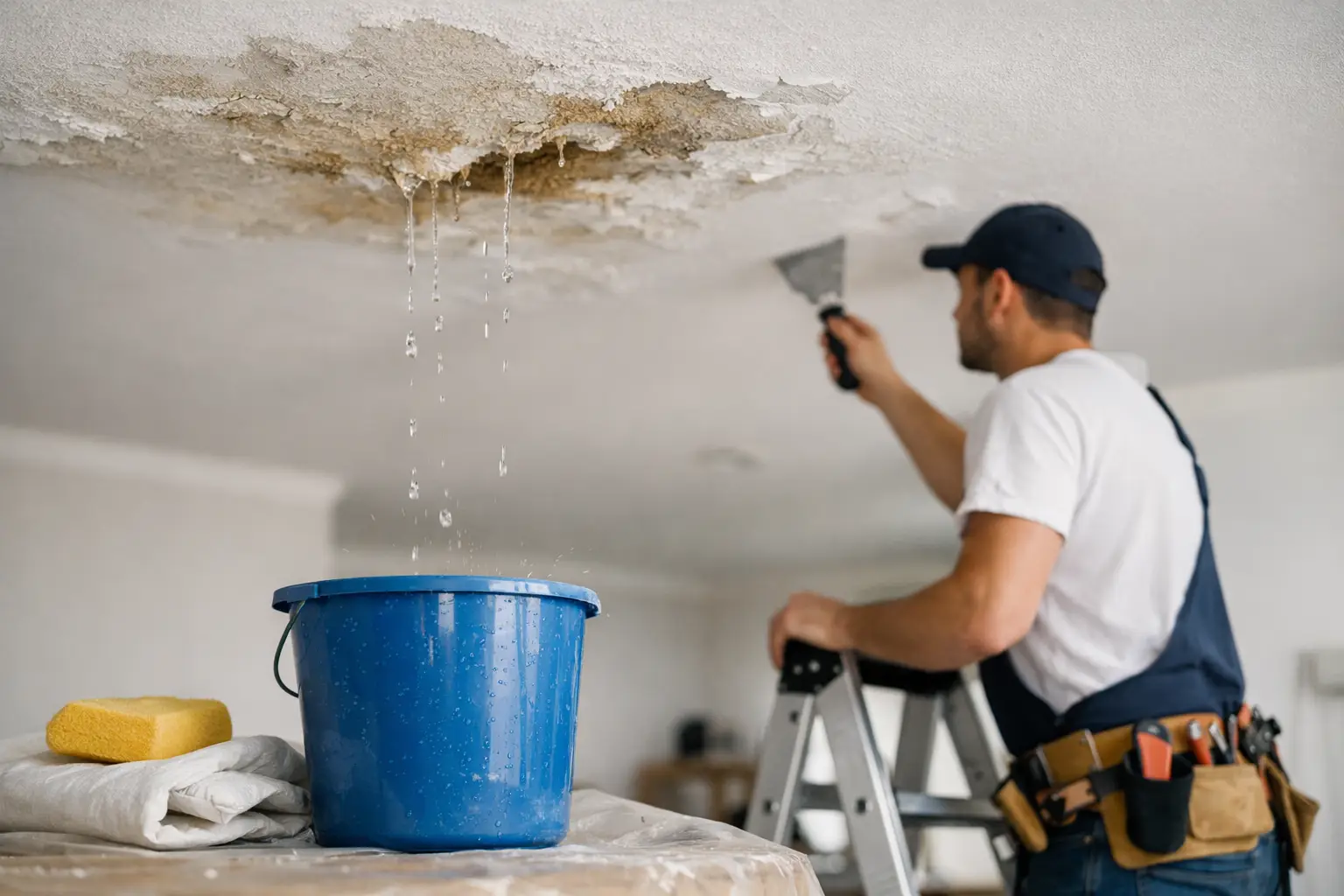
A water stain on the ceiling rarely stays a small problem for long. By the time you notice bubbling paint, a sagging drywall seam, or a brown ring spreading overhead, moisture has usually been sitting there longer than you think. That is why ceiling water damage repair is not just about patching a spot and repainting it. The real job is stopping the source, drying the structure correctly, and making sure hidden damage does not keep getting worse.
For homeowners, property managers, and business owners in El Paso, the first question is usually simple: can this be fixed quickly, or is it a sign of a bigger loss? The answer depends on where the water came from, how long it has been present, and what materials it reached. A small overflow from an upstairs bathroom is very different from a roof leak that has soaked insulation and framing over several storms.
What causes ceiling water damage
Most ceiling damage starts from one of three places: plumbing, roofing, or HVAC systems. A leaking drain line, a failed supply line, an overflowing tub, or a damaged water heater upstairs can send water directly into the ceiling cavity below. Roof problems can do the same, especially after wind-driven rain. In commercial properties, clogged condensate lines or malfunctioning rooftop units are also common sources.
The visible stain is only the symptom. Water can travel along joists, spread over drywall, soak insulation, and collect far from the original leak. That is one reason ceiling damage often looks smaller than it really is. If the source is not identified correctly, repairs may look good for a few weeks and then fail again.
When ceiling water damage repair becomes urgent
Some ceiling issues need immediate attention, not a wait-and-see approach. If the ceiling is sagging, actively dripping, soft to the touch, or showing cracks around a swollen area, treat it as a safety concern. Wet drywall can lose strength fast. In some cases, trapped water can build enough weight to cause part of the ceiling to collapse.
There is also the moisture issue behind the surface. When water sits in enclosed building materials, it creates the right conditions for microbial growth. That does not happen in every case, and timing varies based on temperature, humidity, and airflow, but delays increase the risk. Fast mitigation matters because it helps limit both structural damage and secondary contamination.
What to do first
Start with safety. If there is any chance the water is near light fixtures, ceiling fans, or electrical wiring, shut off power to the affected area if it is safe to do so. Move furniture, electronics, and inventory out of the path of drips. If water is bulging behind paint or drywall, do not stand directly under it.
Next, stop the source if you can. That may mean turning off the home’s water supply, shutting down an appliance, placing a temporary cover over a roof opening, or having an HVAC unit inspected. If the source is not obvious, that is often the point where professional help saves time and prevents guesswork.
Take photos before cleanup begins. Good documentation helps with insurance and creates a clear record of what was affected. Then focus on getting the area professionally assessed, especially if the ceiling cavity, insulation, framing, or multiple rooms may be involved.
What professional ceiling water damage repair should include
A proper repair process starts with inspection, not cosmetic work. Moisture readings, material checks, and source tracing help determine how far the water spread and whether anything beyond the visible ceiling needs to be addressed. This step matters because water often moves laterally, and hidden moisture can remain long after the surface looks dry.
Drying is the next priority. Depending on the loss, that may involve removing wet drywall, extracting trapped water, setting up air movers and dehumidifiers, and monitoring moisture levels until materials reach acceptable dry standards. In some cases, parts of the ceiling can be saved. In others, removal is the safer and more cost-effective choice.
Then comes the rebuild. That may include replacing drywall, taping and floating seams, applying texture, sealing stains, and repainting. If insulation was affected, it should be replaced as well. The best restoration work returns the space to pre-loss condition, but it also addresses what caused the damage in the first place so the same problem does not come back.
Can you patch it yourself?
Sometimes, but only if the damage is truly minor and fully dry. A small stain from a one-time incident that was corrected immediately may need little more than stain-blocking primer and paint. The problem is that many ceiling leaks are not one-time incidents, and many wet areas are not fully dry when they appear to be.
DIY repairs become risky when there is active leaking, soft drywall, peeling texture, odor, mold concerns, or uncertainty about the source. The same is true when the affected area is large or when the water may be contaminated. If a sewage backup, roof intrusion with debris, or long-term leak is involved, surface patching is not enough.
For property managers and business owners, there is another factor: liability. If repairs are made without proper drying or documentation, a small claim can turn into a much larger one later. Professional mitigation creates a clearer path for both recovery and insurance support.
The insurance side of ceiling water damage repair
Insurance coverage depends on the cause of loss, policy language, and how quickly the issue was reported. Sudden and accidental water damage is often handled differently than long-term neglect or deferred maintenance. A pipe break may be covered. Repeated roof leakage from an aging roof may be treated differently.
That is why clear documentation matters from the beginning. Photos, moisture records, notes about when the damage was discovered, and a detailed scope of work can all support the claim process. It also helps to work with a restoration company that understands how to communicate findings clearly, especially when emergency mitigation and reconstruction both need to happen.
Why fast drying matters in El Paso
El Paso’s climate can lead people to assume water dries quickly on its own. Sometimes surfaces do dry faster here than in more humid markets, but that does not mean concealed spaces are safe. Water trapped above ceilings, inside insulation, or around mechanical systems can linger longer than expected, especially in shaded interiors or commercial buildings with complex layouts.
Drying is not just about air temperature. It is about airflow, humidity control, and removing wet materials that cannot be salvaged. A surface may feel dry while the cavity behind it is still holding moisture. That is where equipment and monitoring make a difference.
How long repairs usually take
It depends on the source, the size of the affected area, and whether structural materials were involved. A straightforward repair in one room may move quickly once drying is complete. A larger loss involving multiple rooms, insulation replacement, texture matching, or reconstruction will take longer.
The timeline usually has two phases: mitigation and rebuild. Mitigation focuses on stopping damage and drying the structure. Rebuild restores what had to be removed. Trying to skip ahead to cosmetic work before the space is dry enough often causes delays later.
Choosing the right restoration partner
Ceiling damage looks simple from the floor, but proper repair calls for more than a handyman patch. You want a team that can stabilize the property, identify the water source, document the damage, dry the structure correctly, and rebuild cleanly. If insurance is involved, communication also matters.
That full-service approach is especially valuable when the damage affects occupied homes, rental properties, or businesses that need to get back to normal fast. A company like GEM Disaster Recovery Corp can guide the process from emergency response through reconstruction, which reduces stress and keeps the work coordinated under one roof.
A better way to think about the repair
The goal of ceiling water damage repair is not to hide a stain. It is to restore safety, protect the structure, and prevent the next problem from starting behind fresh paint. If your ceiling is showing signs of water damage, the smartest move is to act early, before a manageable repair becomes a much bigger restoration project.
A small spot overhead can feel easy to put off for another day. Most of the time, that is exactly what makes it more expensive later.