Can Wet Drywall Dry? When to Save or Replace It
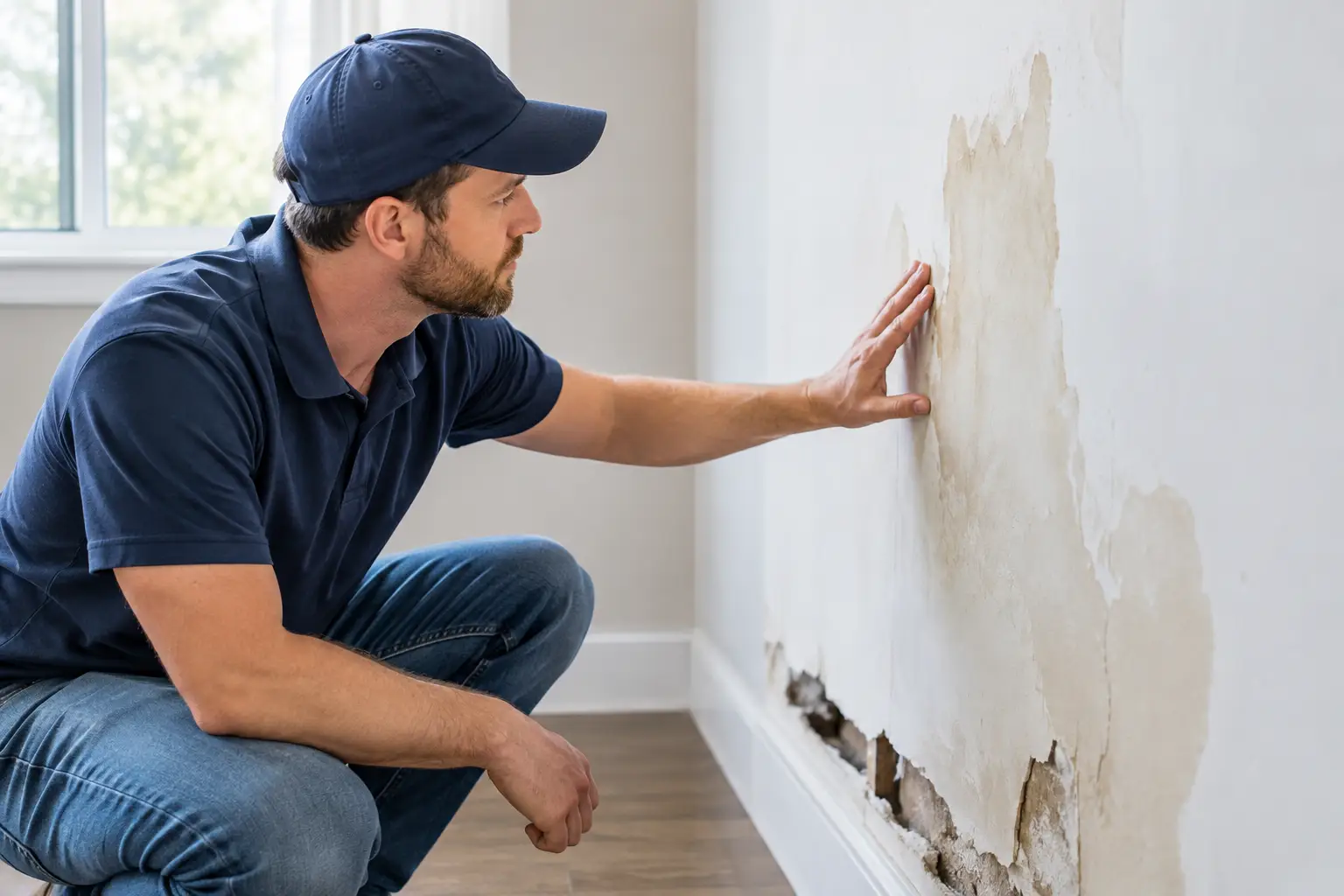
A ceiling stain after a plumbing leak can look minor in the morning and become a soft, sagging section of drywall by evening. That is why homeowners often ask, can wet drywall dry and still be safe to keep? Sometimes it can. But drying alone does not guarantee that the wall or ceiling has returned to a sound condition.
The right decision depends on how much water the drywall absorbed, how long it stayed wet, the source of the water, and whether moisture has traveled behind the surface. Acting quickly gives you the best chance of saving materials and avoiding mold, structural damage, and a larger repair bill.
Can Wet Drywall Dry Without Being Replaced?
Drywall can dry after limited exposure to clean water, especially when the area is addressed quickly. A small leak caught within hours may affect only a localized section. If the drywall remains firm, has not swollen or crumbled, and can be dried thoroughly from both sides, restoration may be possible.
The challenge is that drywall is made with a gypsum core covered by paper. That paper absorbs water readily. Once moisture reaches the core, it may weaken the board, separate the paper facing, or create conditions where mold can grow inside the wall cavity. A wall can feel dry on the outside while insulation, framing, and the back of the drywall remain damp.
In El Paso, dry outdoor conditions can help a home dry faster than in a humid climate, but they do not replace proper water mitigation. Air movement, dehumidification, moisture readings, and controlled drying are what determine whether the affected materials are actually dry.
When Wet Drywall May Be Saved
Drywall has the best chance of being saved when the water came from a clean source, such as a supply line leak, and the issue was stopped and dried promptly. The affected area should be small, with no visible swelling, staining that continues to spread, soft spots, or loosened tape at the seams.
Professionals use moisture meters to compare wet materials with unaffected areas nearby. This helps confirm whether the drywall, wood framing, and insulation have reached an acceptable drying standard. If the drywall is dry, stable, and free of microbial growth, a repair may only involve sealing a stain, replacing a small section, and repainting.
A quick response also matters because water travels. It can wick upward through drywall, spread behind baseboards, soak insulation, and collect beneath flooring. What appears to be a six-inch stain can represent a much larger moisture path behind the finished surface.
Signs the Drywall Should Be Removed
Some water-damaged drywall is not worth trying to save. Replacement is often the safer and more cost-effective option when the material has lost strength or may contain contamination.
Watch for these signs:
- Drywall feels soft, spongy, brittle, or crumbles when lightly pressed.
- The surface is swollen, bowed, bubbling, peeling, or separating from the paper face.
- Ceiling drywall is sagging or showing cracks around fasteners or seams.
- There is a musty odor, visible mold, or staining that returns after drying.
- Insulation behind the wall is wet or has been exposed to dirty water.
- Water came from a sewer backup, toilet overflow with waste, flooding, or another contaminated source.
When a ceiling is sagging, keep people away from the area. Wet ceiling drywall can become heavy and collapse without much warning. Do not puncture or pull down a damaged ceiling unless you understand where water, electrical wiring, and structural components are located.
The Water Source Changes Everything
The source of the water is as important as the amount of water. Clean water from a broken supply line or rain entering through a recently damaged roof may allow for drying and selective repair if addressed immediately.
Gray water, such as water from a washing machine discharge, dishwasher, or a toilet overflow without solid waste, carries more risk. Materials that absorb gray water often need removal because contaminants can remain in the drywall and insulation.
Black water is the highest concern. Sewage, floodwater, and water containing waste can carry bacteria and other harmful contaminants. Porous materials such as drywall, insulation, carpeting, and some padding generally should be removed rather than dried. This is not a situation for fans and a coat of paint. It requires careful cleanup, containment, and proper disposal.
What to Do in the First 24 Hours
The first day after a leak or flood has a major effect on what can be saved. Start by stopping the water source if it is safe to do so. Shut off the main water supply for an active plumbing leak, place containers under minor drips, and contact a plumber when necessary.
If water is near outlets, appliances, electrical panels, or light fixtures, do not touch those areas. Turn off power only if you can do so safely from a dry location, then contact a qualified professional.
Move furniture, rugs, boxes, and belongings away from the wet area. Remove damp items from cabinets or closets to improve airflow. For a small clean-water spill, fans and air conditioning may help begin the drying process. However, avoid relying on household fans if water has entered walls, affected a ceiling, or covered a large area. Moving air across hidden wet materials can spread moisture and, if mold is present, disturb spores.
Take photos and video before removing damaged materials. Clear documentation can support an insurance claim and help establish the extent of the loss. Then arrange for a professional inspection if the drywall is soft, the affected area is larger than a small isolated spot, or the water source is questionable.
Why Cutting Into a Wall Can Be Necessary
It can feel alarming to see a restoration team remove a section of wall, baseboard, or ceiling. In many cases, that targeted removal is how the rest of the structure is protected.
Wet insulation can hold moisture against framing for days. A small flood cut - a controlled horizontal removal of drywall above the water line - gives technicians access to wet insulation and lets air circulate through the wall cavity. It also allows them to inspect studs, plates, wiring areas, and the back side of remaining drywall.
The goal is not to remove more than necessary. The goal is to remove materials that cannot be cleaned or dried reliably, then dry and preserve the materials that can be saved. Once moisture levels are verified, reconstruction can begin with confidence rather than covering up an unresolved problem.
Drying Is a Measured Process, Not a Guess
A room may smell normal and look dry after a day or two, yet still have elevated moisture behind the wall. Professional drying uses extraction equipment, air movers, dehumidifiers, and moisture monitoring to create the right drying conditions. Technicians check progress over multiple visits and adjust equipment as materials dry.
Drying too slowly raises mold risk. Drying without enough dehumidification can simply move moisture into other parts of the building. Excessive heat can also cause materials to dry unevenly or damage finishes. Good mitigation balances airflow, humidity control, temperature, and careful monitoring.
For homeowners, the practical takeaway is simple: do not decide that drywall is fine based only on how it looks or feels. Ask whether the hidden side was inspected and whether moisture readings confirmed the area is dry.
Get Help Before a Small Leak Becomes a Reconstruction Project
Water damage creates pressure to make fast decisions, especially when you are worried about your home, tenants, customers, or insurance claim. You do not have to decide alone whether a wet wall can be saved. A trained restoration team can identify the water category, locate hidden moisture, document damage, and explain whether drying, selective removal, or reconstruction is the right path.
GEM Disaster Recovery Corp provides 24/7 emergency response for El Paso property owners who need help stabilizing water damage and moving forward with care. If drywall is wet, the safest next step is to address the moisture now, before a repairable leak becomes a larger disruption.