Can Smoke Damage Be Cleaned? What to Expect
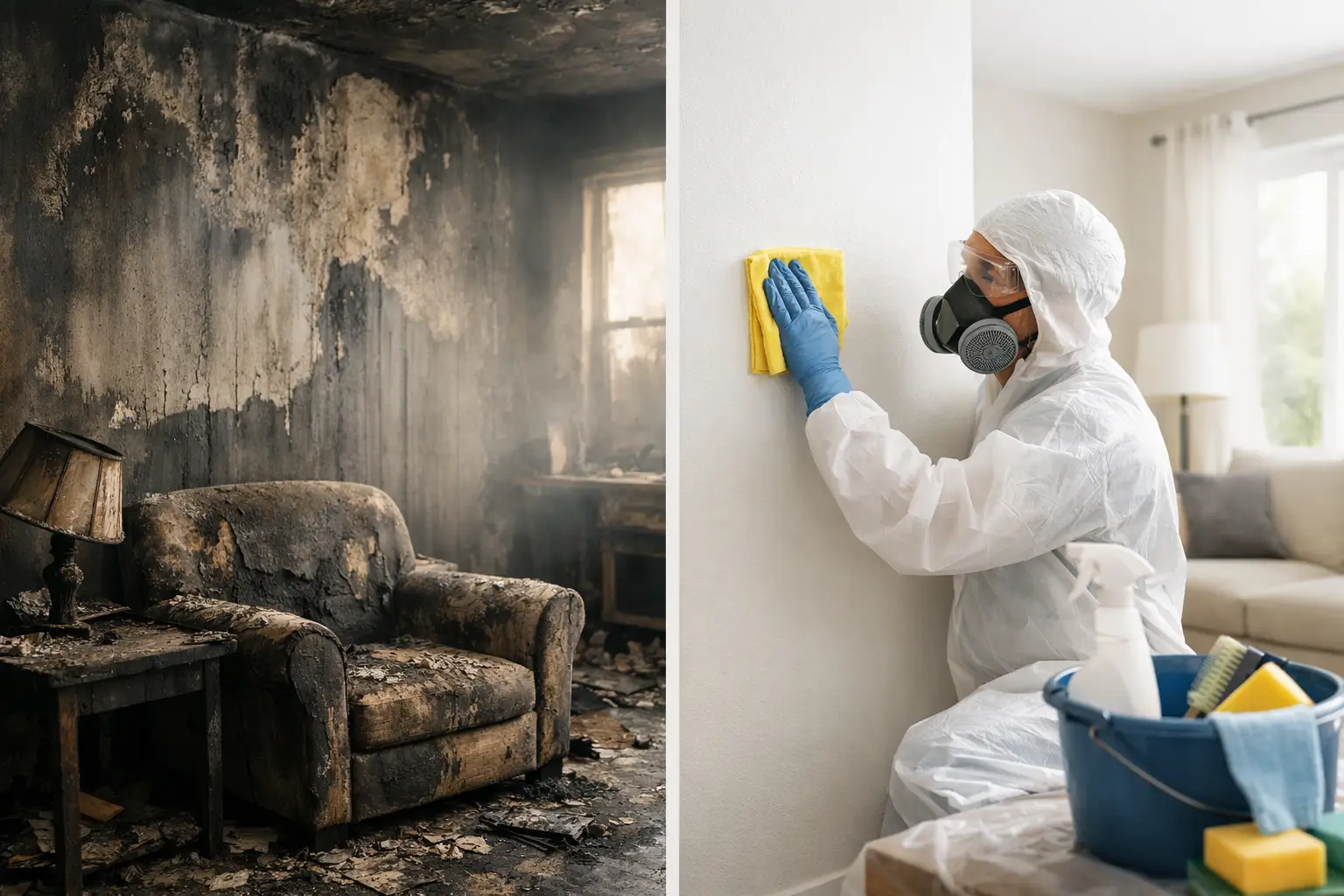
After a fire, the visible damage is only part of the problem. A light gray film on a wall, a burnt odor in a hallway, or soot on furniture can make a home or business feel unsafe long after the flames are out. So, can smoke damage be cleaned? In many cases, yes. With the right methods, equipment, and timing, professional restoration can remove soot, reduce odors, and save many materials that might otherwise be discarded.
The answer depends on what burned, how long smoke remained in the property, the type of surfaces affected, and whether firefighting water caused additional damage. Fast, careful action protects what can be restored and helps prevent smoke residue from becoming a more permanent problem.
Can Smoke Damage Be Cleaned From Every Surface?
Smoke damage is not one uniform substance. Fires involving wood, paper, food, plastics, fabrics, or synthetic materials create different types of residue. Some soot is dry and powdery. Some is oily, sticky, or nearly invisible. Each type behaves differently and requires a specific cleaning approach.
Nonporous materials such as glass, metal, tile, sealed stone, and some finished wood surfaces can often be cleaned successfully. Painted walls, cabinets, appliances, and hard flooring may also be restorable when cleaning begins quickly and the finish has not been permanently stained or etched.
Porous materials are more complicated. Upholstered furniture, carpet, mattresses, unfinished wood, insulation, paper goods, and ceiling tiles can absorb smoke particles and odors deeply. These items may still be cleaned in some circumstances, but restoration professionals must assess whether cleaning will truly return them to a safe, usable condition. If smoke has penetrated deeply or heat has damaged the material, replacement may be the more responsible option.
The goal is not simply to make a room look cleaner. Effective fire and smoke restoration addresses residue, odor, indoor air quality, and the underlying materials affected by the event.
Why Smoke Residue Gets Worse With Time
Smoke particles are acidic. Left untreated, they can discolor paint, corrode metals, yellow plastics, and damage electronics. Soot can also be pushed farther into carpet fibers, fabric, and wall textures when people try to wipe it away with the wrong cleaner or a dry household towel.
Odors also become more difficult to remove as smoke settles into porous materials and travels through an HVAC system. A property may look clean after basic surface wiping but still carry a persistent burnt smell because residue remains in vents, insulation, framing, or contents.
This is why emergency stabilization matters. Once the fire department clears the property, securing openings, assessing water damage, controlling moisture, and beginning smoke cleanup promptly can limit secondary damage. For El Paso property owners, this can mean saving more of the structure and reducing the time needed before a home or business can be used again.
What Professional Smoke Cleaning Involves
A proper restoration plan begins with an inspection. Professionals identify the source of the fire, the type of smoke residue, the path smoke traveled, and any areas affected by fire suppression water. They also look for hidden contamination above ceilings, behind walls, inside cabinets, and within HVAC components.
Soot removal comes before odor treatment
The first priority is removing loose and bonded residue without spreading it. Restoration technicians may use specialized HEPA vacuuming, dry cleaning sponges, controlled wet cleaning, and surface-specific products. The method changes based on the material. For example, a delicate painted wall may need a different process than a stainless-steel appliance or a fabric chair.
Cleaning soot improperly can create streaks, grind particles into surfaces, or strip finishes. For that reason, homeowners and staff should avoid aggressive scrubbing until the damage has been evaluated.
Odor removal requires more than fragrance
Air fresheners, candles, and household sprays may temporarily cover the smell of smoke, but they do not remove the particles causing it. Professional odor treatment is designed to neutralize odor molecules after the source residue has been addressed.
Depending on the property and materials involved, this may include thermal fogging, hydroxyl treatment, ozone treatment in unoccupied spaces, HVAC cleaning, and sealing of affected structural surfaces. No single method is right for every fire. The safest and most effective approach depends on occupancy, the extent of contamination, and the materials being treated.
Contents need individual decisions
Furniture, electronics, clothing, documents, artwork, and business inventory can require separate handling. Some belongings can be packed out for specialized cleaning and storage while structural restoration is underway. Others may need documentation for insurance because they cannot be restored safely or cost-effectively.
A good restoration team does not make blanket promises that every item can be saved. Instead, it documents condition, explains the options, and helps property owners make informed decisions.
What You Should Do After a Fire
Once everyone is safe and emergency responders have released the property, focus on preventing additional damage rather than attempting a full cleanup yourself. If conditions allow, keep people and pets away from affected rooms, especially where there is loose soot, damaged wiring, standing water, or strong odors.
Avoid turning on the HVAC system until it has been inspected. Do not wash smoke-covered walls with water or household chemicals, and do not use a standard vacuum on soot. These actions can spread contamination or damage surfaces further. It is also wise not to handle severely smoke-damaged textiles or contents without gloves and appropriate guidance.
Document visible damage with photographs and keep receipts for emergency expenses. Then contact your insurance carrier and a qualified restoration company. Early documentation supports the claims process, while professional mitigation helps protect the property from ongoing damage.
When Cleaning Is Not Enough
Some smoke-damaged materials cannot be adequately restored. Heavily charred framing, compromised drywall, melted plastics, saturated insulation, and severely contaminated soft goods may need removal and replacement. Materials affected by toxic residues or extensive water damage may also require more than cleaning.
That does not mean the entire property must be demolished. A thorough assessment distinguishes between materials that can be safely cleaned, those requiring sealing or repair, and those that should be removed. This targeted approach can preserve sound portions of the property while creating a clear plan for reconstruction.
For commercial properties, the decision also involves operations. A business may need phased cleanup, temporary containment, and carefully scheduled restoration to reduce downtime. Property managers often need detailed records, estimates, and consistent communication for owners, tenants, and insurers.
The Value of One Team From Cleanup Through Rebuilding
Fire recovery can involve emergency board-up, water extraction, smoke cleanup, odor control, contents handling, repairs, and reconstruction. Coordinating different vendors for each stage can add stress at a time when clear answers matter most.
GEM Disaster Recovery Corp helps El Paso homeowners, property managers, and businesses move from emergency stabilization through restoration and rebuilding with care. With 20 years of combined hands-on experience, the team can document damage, coordinate with insurance, and explain what needs to happen next in plain language.
The most helpful next step after smoke damage is often a professional assessment, not a rushed cleaning attempt. When the right work begins quickly, a fire does not have to define the future of your property. It can be the first step toward restoring a safe, clean space where life and work can begin again.