Can Mold Return After Remediation? What to Know
A wall can look clean, smell fresh, and still become a mold problem again weeks or months later. So, can mold return after remediation? Yes, it can - but regrowth is not inevitable. Mold returns when the moisture source, hidden damage, or conditions that allowed it to grow were not fully corrected.
For homeowners, property managers, and business owners in El Paso, the goal is not simply to remove visible mold. It is to find out why it appeared, dry affected materials correctly, and make sure the property stays dry after cleanup. That is what turns mold remediation from a short-term fix into a lasting recovery.
Can Mold Return After Professional Remediation?
Mold spores are naturally present in indoor and outdoor air. A remediation project cannot, and should not, promise to eliminate every spore from a building. What professional work does is remove active mold growth, safely clean contaminated areas, and address the moisture conditions that let spores settle and multiply.
When those steps are completed thoroughly, mold should not return in the treated area. But if a slow plumbing leak continues behind a wall, humidity stays high in a poorly ventilated room, or wet materials were not dried all the way through, spores can begin growing again.
That distinction matters. A new spot of mold does not always mean the original remediation was done poorly. A separate leak, a new water intrusion event, or a change in how the space is used can create a new problem. A qualified inspection helps determine whether the growth is related to the original damage or a new moisture source.
Why Mold Comes Back
Mold needs moisture, a food source, and time. Building materials such as drywall paper, wood framing, carpet backing, insulation, dust, and ceiling tiles can all support growth when they remain damp. In most cases, returning mold points to one of four issues:
- A leak was missed or was repaired temporarily rather than permanently.
- Water-damaged materials were not dried to an appropriate moisture level.
- Humidity or condensation continues in the affected room.
- Mold was cleaned from the surface, but contamination inside a wall, under flooring, or above a ceiling remained.
In El Paso, low outdoor humidity can create a false sense of security. Mold can still develop after a broken supply line, roof leak, overflowing appliance, sewage backup, or HVAC issue. Evaporative coolers, condensation around air-conditioning components, and poorly ventilated bathrooms can also introduce enough moisture for growth inside a property.
A common example is a cabinet under a sink. The visible staining may be cleaned, but a pinhole leak can keep wetting the cabinet base and the wall behind it. The mold may disappear briefly, then return because the source was never stopped.
Signs Mold May Be Returning
Visible discoloration is one warning sign, but it is not the only one. Watch for a persistent musty odor, peeling paint, warped baseboards, bubbling drywall, damp carpet edges, or recurring condensation on windows and pipes. People using the space may also notice that an area feels humid or stale even when it appears clean.
Pay attention to patterns. If staining or odor returns in the same location after a leak repair or cleanup, do not keep painting over it or applying household cleaners. That can delay the real diagnosis while moisture continues damaging materials behind the surface.
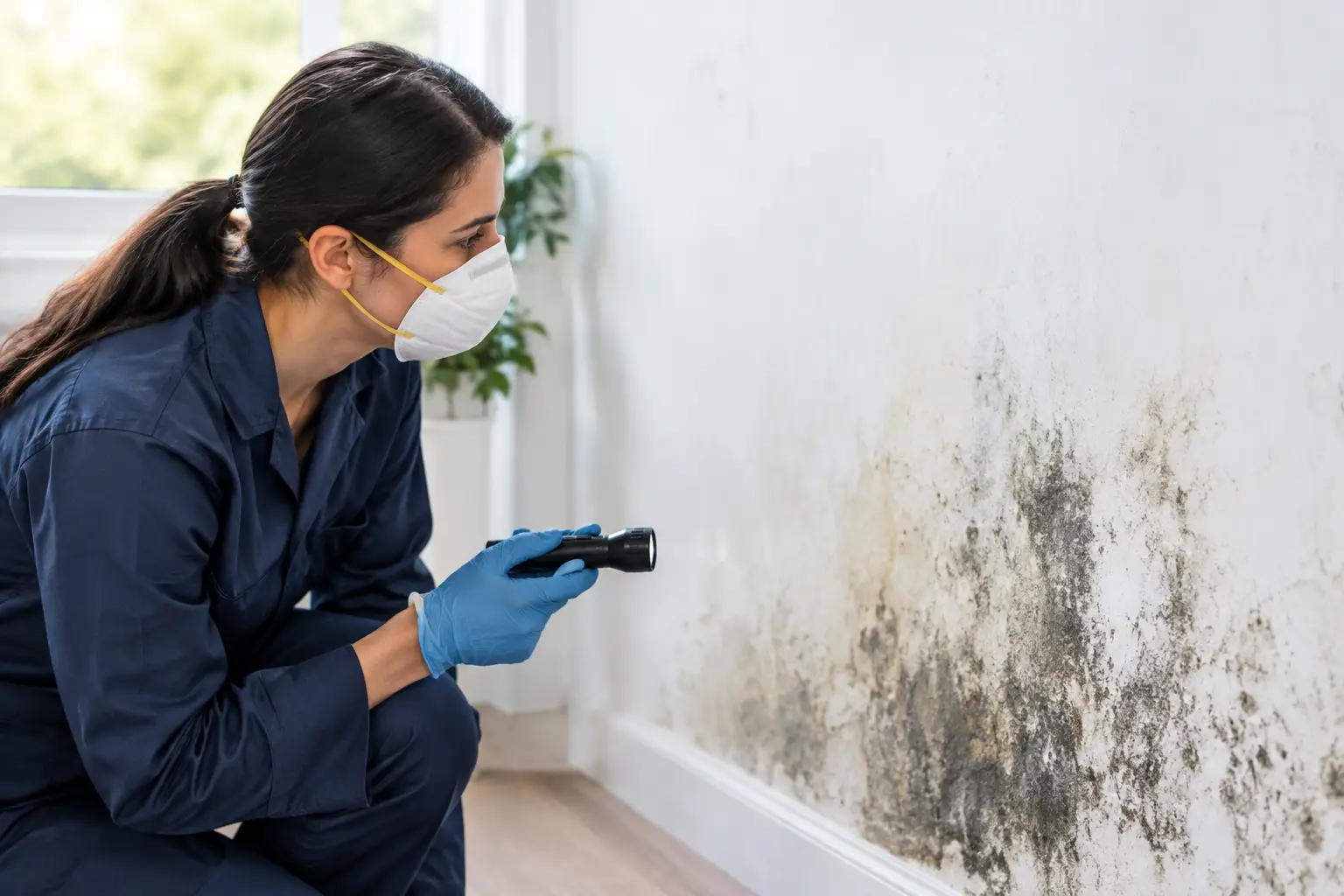
A moisture inspection can help locate conditions that are not obvious to the eye. Restoration professionals use moisture meters, thermal imaging, and targeted inspection methods to identify wet building materials and trace the path of water. This is particularly useful after water damage, because moisture can travel beneath flooring or through wall cavities far beyond the original leak.
How to Keep Mold From Returning
Lasting prevention starts with moisture control, not with a stronger cleaner. After remediation, keep an eye on the repaired area and address new water issues immediately. Even a small leak can become a larger restoration project if it sits unnoticed.
Bathrooms, kitchens, laundry rooms, utility closets, and HVAC areas deserve regular checks. Look beneath sinks, around toilets, behind washing machines, and near water heaters for drips, corrosion, dampness, or stained materials. If a pipe bursts or an appliance overflows, begin drying as quickly as possible. The first 24 to 48 hours can make a significant difference in limiting mold growth.
Ventilation also matters. Run bathroom exhaust fans during showers and for a period afterward. Make sure dryer vents discharge outside and are not blocked. In commercial spaces, property managers should address recurring humidity, roof drainage, and HVAC maintenance concerns before they affect tenants or inventory.
After a water loss, do not assume a room is dry because the floor feels dry. Water can remain under baseboards, inside insulation, below vinyl flooring, and within cabinetry. Proper mitigation involves extracting water, setting drying equipment as needed, monitoring moisture levels, and removing materials that cannot be safely restored.
What Proper Remediation Should Address
A complete mold remediation plan is tailored to the size of the affected area, the materials involved, and the source of moisture. Some small, isolated surface issues may be manageable after the underlying moisture problem is fixed. Larger areas, repeated growth, hidden contamination, or damage involving porous materials require a more controlled approach.
Professional remediation may include containment to prevent cross-contamination, air filtration, removal of unsalvageable materials, detailed cleaning, drying verification, and repair of the water source. Reconstruction may be needed after drywall, flooring, cabinetry, or insulation is removed. That coordination is valuable because rebuilding before the area is fully dry can trap moisture and create conditions for mold to return.
Documentation is also helpful when insurance is involved. Clear records of the water damage, mitigation work, moisture readings, and repairs can support the claim process and give property owners confidence that the work addressed more than the visible damage.
When It Is Time to Call for Help
Call a restoration professional when mold keeps returning, the source of water is unclear, the affected area is spreading, or there is a musty odor without visible growth. Prompt help is especially important after a burst pipe, roof leak, sewage event, or flooding, when moisture may be hidden inside the structure.
GEM Disaster Recovery Corp provides 24/7 emergency response for El Paso properties and can help stabilize the damage, identify moisture concerns, complete mold remediation, and manage necessary reconstruction. For a homeowner trying to protect a family home or a business owner trying to reopen safely, having one experienced team coordinate the work reduces uncertainty during a stressful situation.
If mold has returned, treat it as useful information: somewhere, moisture is still finding a way in. Finding and correcting that cause now can protect your property, your indoor environment, and your peace of mind.