Burst Pipe Cleanup Service: What Happens Next
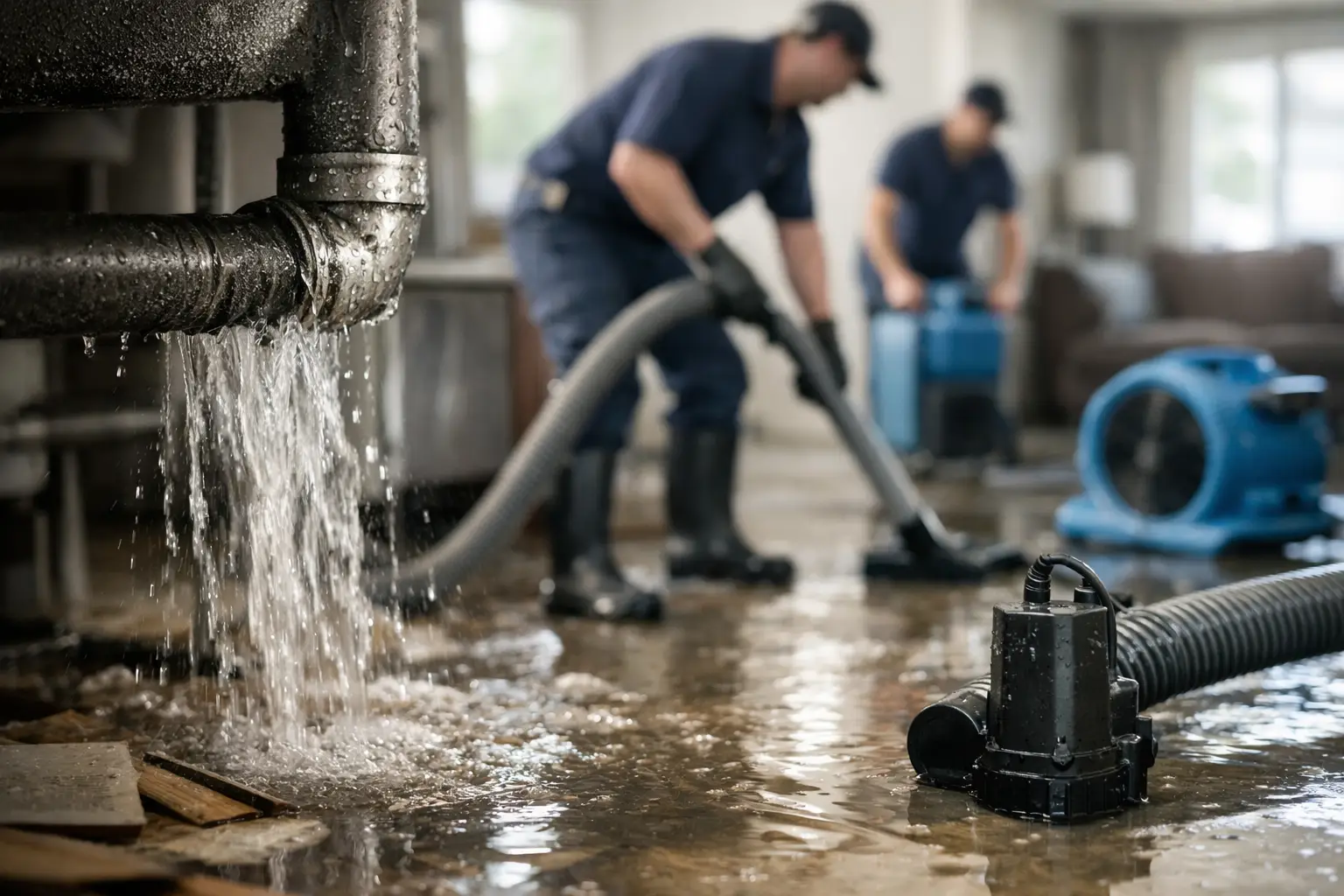
Water from a burst pipe does not stay in one place. It runs under baseboards, into wall cavities, beneath flooring, and anywhere gravity lets it go. That is why calling a burst pipe cleanup service quickly matters - not just to remove visible water, but to stop hidden damage from growing into warped materials, mold, and costly repairs.
When a pipe breaks, most property owners are dealing with two emergencies at once. The first is the active water loss. The second is the clock. Drywall can begin to soften fast, wood can swell, and carpet padding can trap moisture long after the surface looks better. In commercial spaces, the pressure is even higher because downtime affects staff, tenants, customers, and daily operations.
What a burst pipe cleanup service should do first
The right response starts with stabilization. Before anyone thinks about paint, flooring, or rebuilding, the source of the water has to be stopped and the affected area has to be made safe. If the pipe is still leaking, cleanup crews and plumbers may need to work in sequence. One fixes the source, the other controls the damage already spreading through the structure.
A professional team should assess where the water traveled, not just where it is easy to see. That usually means checking walls, cabinets, subfloors, insulation, and nearby rooms. Moisture meters, thermal imaging, and other detection tools help identify wet materials that would otherwise be missed. This step matters because hidden moisture is one of the main reasons water losses turn into bigger restoration projects later.
Extraction comes next. Standing water and heavy saturation need to be removed as quickly as possible. In some homes that may mean pulling water from tile floors and carpet. In others, it may involve removing soaked padding, opening wall cavities, or clearing water from affected utility areas. The exact approach depends on how long the pipe leaked, what materials were affected, and whether the water remained clean.
Why drying is not the same as cleanup
A lot of people assume that once the puddles are gone, the problem is under control. Unfortunately, visible water is only part of the issue. Porous materials hold moisture longer than most people expect, and a room can feel dry while the structure is still wet.
True drying is a controlled process. It usually involves commercial air movers, dehumidifiers, and regular moisture monitoring to confirm materials are returning to acceptable levels. This is where experience matters. Too little equipment can leave moisture behind. Too much heat or poorly placed airflow can create avoidable stress on certain materials. A dependable restoration company adjusts the drying plan based on the building, the materials, and the readings collected during the job.
There is also a judgment call involved in deciding what can be saved and what should be removed. Hardwood floors, cabinetry, drywall, insulation, and carpet all respond differently to water. Sometimes fast action allows more materials to be preserved. Other times, trying too hard to save everything leads to lingering odor, warping, or microbial growth. Good cleanup is not about doing the least or the most. It is about doing what the situation actually requires.
Burst pipe cleanup service for homes vs. commercial properties
Residential and commercial losses often look similar at first, but the priorities can be different. In a home, people are usually focused on protecting personal belongings, restoring safe living conditions, and keeping disruption manageable for the family. Bedrooms, kitchens, laundry rooms, and garages are common trouble spots because burst pipes often happen near supply lines, appliances, or exterior walls during temperature swings.
In a commercial property, the conversation usually expands to business continuity. Property managers may need to protect multiple units, document affected areas for ownership groups, and coordinate after-hours work. Business owners may need to preserve inventory, maintain a safe environment for employees, and reopen quickly. That can change how cleanup is phased, especially if part of the building can remain operational while another section is under mitigation.
The best service provider understands both needs. Technical drying is only one part of the job. Clear communication, documentation, and practical scheduling also make a major difference when people are trying to get back to normal.
What happens if cleanup is delayed
The risk of waiting is not always dramatic on day one, which is why some owners underestimate the damage. A floor may just look wet. A wall may show only a small stain. But moisture moves and materials continue to absorb it long after the initial break.
Within a short period, drywall can weaken, trim can swell, laminate can separate, and carpet can begin to hold odor. If moisture remains trapped in walls or under flooring, mold can become a concern. Not every burst pipe loss leads to mold remediation, but delayed action makes that possibility more likely.
There is also the insurance side to consider. Carriers generally expect owners to take reasonable steps to prevent further damage after a loss. That does not mean you need to manage the entire situation alone. It means timely mitigation and thorough documentation matter. Photos, moisture readings, affected-material notes, and a clear scope of work can help support the claim process and reduce confusion later.
How insurance and reconstruction fit into the process
Many property owners think of cleanup, repairs, and rebuilding as separate projects with separate companies. Sometimes that is how it happens. But when multiple vendors are involved, communication gaps are common. One team dries the property, another tears out materials, another handles repairs, and the owner is left trying to coordinate the whole thing while also dealing with adjusters and daily life.
An end-to-end restoration company can simplify that process. Mitigation comes first, but if the burst pipe damaged drywall, flooring, cabinets, insulation, or paint, reconstruction may be the next phase. Having one team manage the handoff often means better documentation, fewer delays, and a clearer timeline.
Insurance support also matters more than many people realize. A professional company cannot make coverage decisions for the carrier, but it can help document the loss, explain the restoration scope, and communicate the work needed to stabilize and restore the property. For stressed homeowners and busy property managers, that support can take a real burden off their shoulders.
Choosing the right burst pipe cleanup service
Fast response matters, but speed alone is not enough. You want a company that can explain what it is doing, why certain materials need to be removed or saved, and how the drying progress will be tracked. Certifications, licensing, and restoration experience are worth looking for because burst pipe losses are not just janitorial jobs. They involve moisture mapping, structural drying, material evaluation, and often coordination with insurers and rebuild teams.
Local knowledge matters too. In El Paso, weather shifts, aging plumbing in some properties, and building-specific conditions can all influence how water damage unfolds. A local team can often respond faster and understand the practical realities of the area, from residential construction styles to commercial property demands. That combination of urgency and familiarity is part of what makes a stressful situation feel more manageable.
Compassion should not be treated as a bonus. When water is pouring into your home or business, you need technical skill, but you also need calm communication. A family-owned company like GEM Disaster Recovery Corp understands that property damage affects more than materials. People need to know what happens next, what can be saved, and who is taking responsibility for each step.
What you can do right away after a pipe bursts
If it is safe, shut off the water supply and power to affected areas as needed. Move valuables, documents, electronics, and loose items away from standing water. Then call for professional help. Avoid assuming that towels, fans, and open windows will solve a larger water loss. Those steps may help a little at the surface, but they do not replace professional extraction and drying.
If you can safely take photos before cleanup begins, do it. Keep basic notes about when the pipe burst, where the damage spread, and what areas are affected. That information can be useful during restoration and insurance reporting. Just do not let documentation delay emergency mitigation.
A burst pipe can turn a normal day upside down in minutes. The right help should do more than dry out a room. It should steady the situation, protect what can be saved, and give you a clear path back to a safe, fully restored property.