Black Mold Remediation Cost Explained
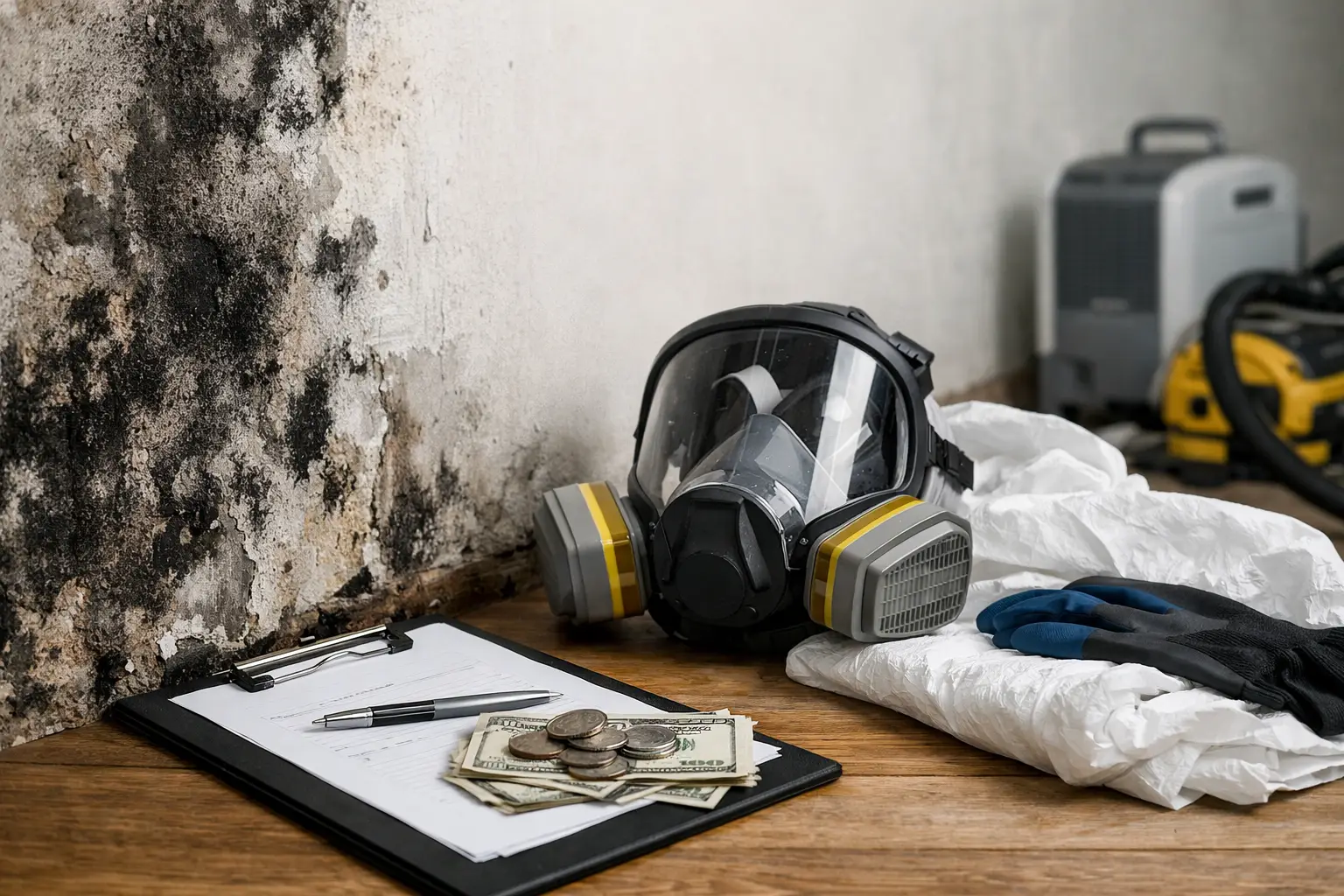
A small patch of dark growth under a bathroom sink can turn into a much bigger project once the wall is opened. That is why black mold remediation cost is rarely a flat number. The visible mold is only part of the story. The real cost depends on how far moisture traveled, what materials were affected, and what it takes to make the space safe again.
For homeowners, property managers, and business owners in El Paso, the hardest part is often not knowing whether they are looking at a modest cleanup or a major restoration job. A professional assessment brings clarity fast. It helps you understand whether the issue is limited to one area or tied to a larger moisture problem that will keep feeding mold unless it is corrected.
What affects black mold remediation cost?
The biggest cost factor is the size of the affected area, but size alone does not tell the full story. A small amount of mold in an easy-to-reach laundry room is very different from mold inside wall cavities, under flooring, or above a commercial ceiling grid. Accessibility changes labor time, containment needs, and how much material has to be removed and rebuilt.
Moisture source matters too. If mold formed after a one-time plumbing leak that has already been fixed, remediation is usually more straightforward. If the mold is tied to ongoing roof leaks, HVAC condensation, poor ventilation, or long-term humidity, the project often expands because the underlying cause must be addressed before cleanup can truly hold.
The type of material involved also changes pricing. Mold on non-porous surfaces can sometimes be cleaned and treated. Mold that has penetrated drywall, insulation, carpet pad, baseboards, or cabinetry often requires removal and disposal. Once demolition begins, reconstruction may become part of the overall cost.
Testing and post-remediation verification can add to the price in some situations. Not every job requires independent testing, but in larger projects, commercial properties, tenant disputes, real estate transactions, or cases involving health concerns, documentation can be very useful.
Typical black mold remediation cost ranges
Most people want a number right away, and that is reasonable. In general, minor remediation jobs may start in the hundreds and move into the low thousands. Mid-sized projects often fall in the low to mid-thousands. Large or complex jobs, especially those involving multiple rooms, HVAC contamination, structural drying, or reconstruction, can climb much higher.
A limited cleanup in a small contained area may cost far less than a project where crews need to set up containment barriers, run air filtration devices, remove damaged drywall, treat framing, dry the structure, and then rebuild finishes. That difference is why online averages can be misleading. They offer a ballpark, but they do not show what your property actually needs.
In practical terms, many remediation estimates are built from a few core categories: inspection and scope development, containment, removal of affected materials, HEPA vacuuming and cleaning, antimicrobial treatment where appropriate, drying and moisture control, and repairs after cleanup. If the mold problem is connected to a larger water damage event, the remediation cost may be one part of a broader restoration project.
Why black mold often costs more than expected
People are often surprised that the estimate is not just for cleaning mold off a surface. Professional remediation is about preventing cross-contamination and stopping the problem from returning. That means isolating work areas, protecting unaffected rooms, using proper personal protective equipment, and controlling airborne particles during demolition and cleanup.
There is also a difference between removing visible mold and restoring the property correctly. If drywall is wet behind a vanity, the crew may need to remove the cabinet, open the wall, dry the framing, inspect adjacent areas, and replace what cannot be salvaged. The mold itself may be limited, but the supporting work is what makes the project safe and complete.
For commercial buildings and rental properties, speed matters just as much as price. Delays can affect tenants, operations, inventory, and liability. A faster, better-documented response may cost more up front than a bare-minimum cleanup, but it can reduce disruption and help avoid repeat losses.
Insurance and black mold remediation cost
Insurance coverage depends on the cause of loss, your policy language, and how quickly the damage was reported. In many cases, insurers are more likely to consider coverage when mold results from a sudden and accidental event, such as a burst pipe or appliance leak. Mold tied to long-term maintenance issues, recurring leaks, or neglected moisture problems is less likely to be covered.
This is where documentation matters. Moisture readings, photos, damage mapping, and clear records of what was found can help support a claim when mold is connected to a covered water loss. Insurance also may cover some related demolition and reconstruction, not just the cleanup itself. At the same time, policies often include limits or exclusions for mold, so it is wise to review the details early.
A restoration company that understands insurance coordination can make the process less stressful. Clear estimates, professional documentation, and communication around scope changes help property owners avoid guesswork while the project is moving.
How to know if the estimate is reasonable
A trustworthy estimate should explain what is included and why. If a quote seems unusually low, ask whether it covers containment, disposal, drying, cleanup of adjacent areas, and repairs after material removal. Sometimes a low bid only addresses surface treatment while leaving out the steps that prevent mold from spreading or returning.
On the other hand, a high estimate is not automatically inflated. If your property has hidden damage, difficult access, occupied spaces, or sensitive contents that need protection, the scope can legitimately grow. The key is transparency. You should understand what the crew plans to do, what materials are being removed, and what conditions could change the final cost.
It also helps to ask whether the company is licensed where required, properly insured, and trained for mold work. Experience matters because missed moisture, incomplete containment, or improper demolition can create a second problem instead of solving the first.
Can you save money by waiting?
Usually, no. Mold problems tend to become more expensive with time because moisture keeps affecting nearby materials. What begins as one damaged section of drywall can spread into insulation, framing, flooring, and trim. In a commercial setting, waiting can also lead to larger business interruptions and more complicated tenant concerns.
Early action often gives you more options. A prompt response may keep damage localized, reduce demolition, and shorten drying time. It also makes it easier to identify the source before conditions change and evidence disappears.
That does not mean every mold concern turns into a major emergency, but it does mean delay rarely improves the outcome. If you notice a musty odor, staining, bubbling paint, warped materials, or recent water damage, getting the area inspected is usually the most cost-effective next step.
What the remediation process should include
A proper mold project starts with identifying the moisture source and defining the affected area. From there, the crew should isolate the work zone if needed, remove unsalvageable materials, clean impacted surfaces, and dry the structure to acceptable moisture levels. If contents were affected, those may need separate cleaning or disposal decisions.
After remediation, the property may still need repairs such as drywall replacement, painting, flooring work, cabinet reinstall, or other reconstruction. That is an important part of the budgeting conversation because many owners focus on cleanup and forget the cost of putting the space back together.
For customers dealing with both damage and disruption, a full-service company can simplify the experience by handling stabilization, remediation, and rebuilding under one roof. In a stressful situation, fewer handoffs usually means fewer delays and less confusion.
When to call for help
If the mold is larger than a small isolated surface spot, if the source of moisture is unknown, or if the growth keeps coming back after cleaning, it is time to bring in a professional. The same is true if mold appears after a leak, storm damage, sewage backup, or HVAC issue. Hidden moisture is common, and what you can see may not reflect the full extent of the damage.
In El Paso, where fast action can make a major difference after water intrusion, getting an expert on site quickly protects both the building and your budget. GEM Disaster Recovery Corp helps property owners assess the damage, explain the scope clearly, and move from stabilization to restoration with care.
The best way to manage black mold remediation cost is not to chase the cheapest number. It is to solve the moisture problem fully, clean the space correctly, and restore the property with confidence so you are not paying for the same issue twice.