
Best Ways to Remove Soot Residue From Walls
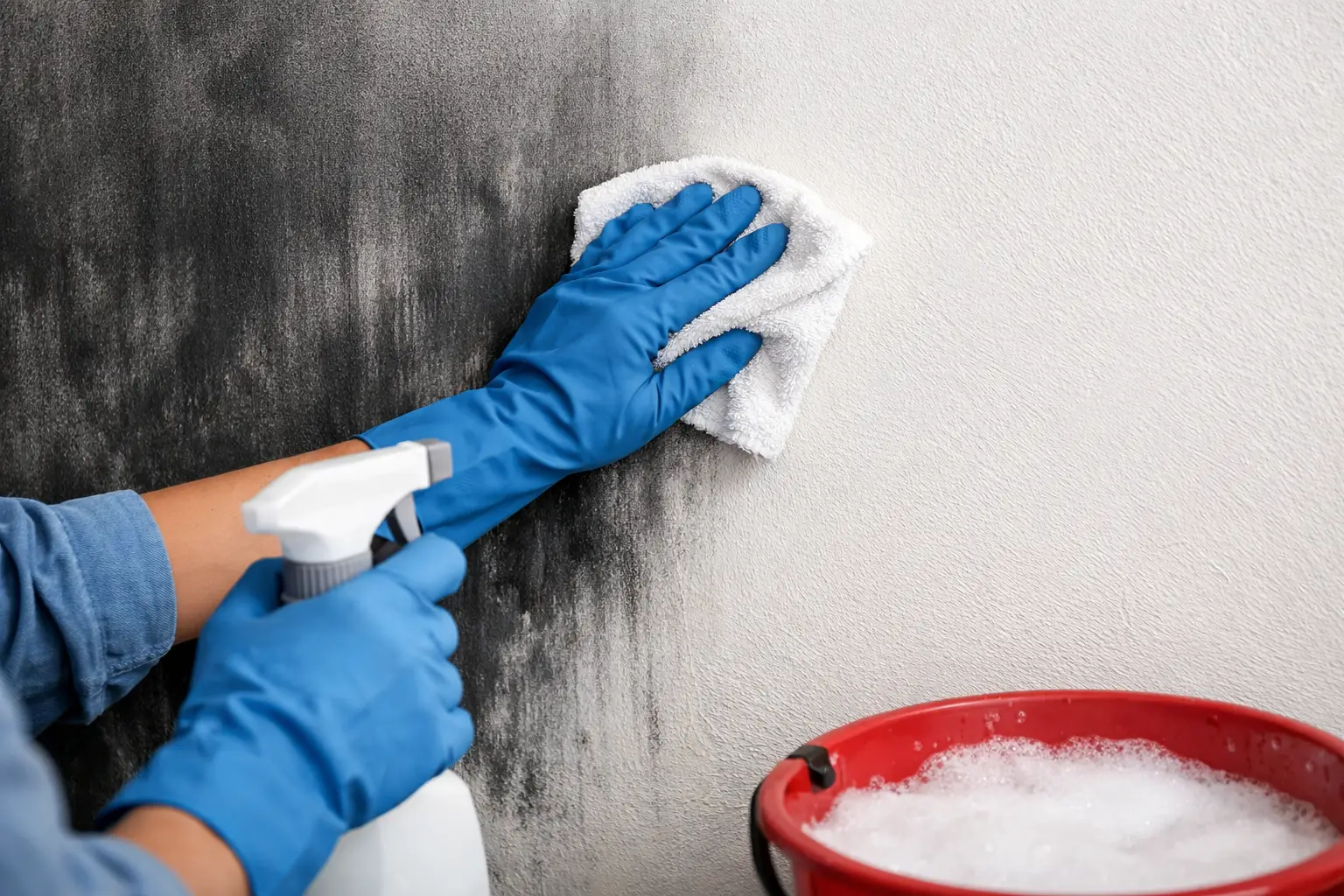
Soot can look like a light gray smudge, but it is not ordinary dust. It may contain acidic particles, oils, and fine debris that spread easily through a home or business after a fire. Knowing the best ways to remove soot residue starts with one rule: do not rush to scrub it. The wrong cleaning method can grind soot deeper into paint, fabrics, wood, and carpet, making the damage harder and more expensive to restore.
Whether the fire was limited to a kitchen pan, fireplace, electrical outlet, or a larger area, protect people and property first. If there is any question about structural safety, electrical damage, lingering smoke, or poor air quality, stay out of the affected area until it has been evaluated.
Start by Preventing Soot From Spreading
Soot is extremely easy to transfer. A hand on a wall, a shoe across a carpet, or a household vacuum without proper filtration can carry residue into clean rooms. Before attempting cleanup, limit traffic through the damaged area and keep children and pets away from the space.
Open windows only if outdoor conditions are safe and doing so will not introduce dust, humidity, or windblown debris. Turn off your HVAC system if you suspect smoke traveled through the vents. Running the system can circulate odor and fine soot particles throughout rooms that were not directly affected by the fire.
Wear gloves, long sleeves, eye protection, and a properly fitted respirator rated for fine particles when working around soot. A simple dust mask may not provide enough protection, especially after a significant fire. People with asthma, respiratory conditions, or sensitivity to smoke should avoid cleanup work altogether.
Assess the Type and Extent of the Damage
The right approach depends on what burned, how hot the fire became, and where smoke traveled. Dry soot from a fast-burning paper or wood fire may sit loosely on surfaces. Greasy soot from cooking oils, plastics, or synthetic materials is stickier and usually requires more specialized cleaning.
Look beyond the visibly blackened area. Check ceilings, upper walls, cabinet interiors, window coverings, upholstery, electronics, and rooms near return-air vents. Smoke rises and travels, so a clean-looking wall may still hold odor-causing residue.
Take clear photos and videos before cleaning whenever possible. Documenting affected rooms, contents, and visible soot can support an insurance claim and give restoration professionals a clearer picture of the original damage. Avoid throwing away damaged belongings until they have been documented and your insurer has provided guidance.
Best Ways to Remove Soot Residue From Hard Surfaces
Dry removal should usually come before wet cleaning. Moisture can turn loose soot into a dark smear, particularly on flat paint, drywall, unfinished wood, and porous stone.
Use a HEPA Vacuum Carefully
A professional-grade HEPA vacuum can remove loose soot from durable surfaces without blowing particles back into the air. Hold the nozzle slightly above the surface rather than dragging it across the wall or ceiling. Direct contact may leave marks or push soot into textured finishes.
Do not use a standard household vacuum unless it is designed with sealed HEPA filtration. Many ordinary vacuums exhaust fine particles back into the room, creating a larger air-quality and cleanup problem.
Lift Soot With a Dry Cleaning Sponge
A dry cleaning sponge, sometimes called a chemical sponge, is one of the safest tools for lightly sooted painted walls and ceilings. Use straight, overlapping strokes from top to bottom. Do not rub in circles, and do not wet the sponge.
As the sponge becomes soiled, clean or trim its surface according to the product instructions. Test it first in an inconspicuous area, especially on flat paint or delicate wallpaper. If the wall color lifts, the soot remains oily, or staining persists, stop rather than continuing to damage the finish.
Wet Clean Only After Dry Removal
After loose residue has been removed, washable painted surfaces may tolerate a mild cleaning solution. Use a small amount of gentle dish soap or a soot-specific cleaner mixed with water, then wipe with a soft microfiber cloth. Work in small sections, use minimal moisture, and change cloths frequently so soot is not redistributed.
Rinse with a separate damp cloth and dry the area promptly. Do not saturate drywall, baseboards, cabinets, or flooring. Excess water can lead to swelling, staining, or mold growth, particularly in hidden wall cavities and beneath flooring materials.
Avoid abrasive powders, stiff brushes, bleach, and heavy degreasers unless a professional has confirmed they are appropriate for the material. These products can discolor surfaces, strip finishes, and create fumes when mixed with other cleaners.
Treat Fabrics, Carpet, and Belongings With Caution
Soft goods trap soot deep within their fibers. Shaking out clothing, blankets, or curtains indoors sends particles into the air. Moving them through unaffected areas can also spread contamination.
For washable items, follow the care label and avoid placing heavily sooted pieces directly into a home washing machine. The residue can set into fabric or contaminate the machine. Delicate garments, leather, upholstered furniture, and valuable textiles often need professional content cleaning.
Carpet should be vacuumed only with HEPA equipment and then assessed for odor and embedded residue. Shampooing a soot-affected carpet too early can drive oily particles lower into the fibers. In some cases, cleaning can restore it. In others, especially after a large fire or heavy smoke contamination, replacement is the safer and more cost-effective option.
Electronics require special care. Soot is conductive in some circumstances and can settle inside televisions, computers, appliances, and electrical panels. Do not turn on smoke-exposed electronics until they have been inspected or professionally cleaned. Powering them on may worsen internal damage or create a safety concern.
Do Not Forget the Air and Odor Source
A room can appear clean while still carrying smoke odor. That odor usually means soot particles or smoke residues remain on surfaces, inside porous materials, or in the HVAC system. Air fresheners may cover the smell temporarily, but they do not remove the source.
Professional restoration may involve HEPA air filtration, detailed cleaning of structural surfaces and contents, deodorization methods selected for the specific smoke type, and HVAC inspection or cleaning when warranted. The goal is not simply to make the property smell better. It is to remove contamination safely and prevent odor from returning when heat or humidity changes.
When DIY Cleanup Is Not Enough
A small, contained soot mark from a minor cooking incident may be manageable with careful dry cleaning. Larger losses need a more controlled response. Call a qualified fire and smoke restoration team when soot covers multiple rooms, enters ducts, affects insulation, coats ceilings, damages electronics, or leaves persistent odor after cleaning.
Professional help is also the right choice when the fire involved plastics, chemicals, appliances, electrical components, or significant structural damage. These events can create residues that are difficult to identify and unsafe to handle without proper training, equipment, and containment.
For El Paso homeowners, property managers, and business owners, GEM Disaster Recovery Corp can help stabilize the property, document damage, clean smoke and soot contamination, coordinate with insurance, and manage repairs through reconstruction. A prompt response can reduce secondary damage and preserve more of what can be restored.
Soot cleanup is one place where patience protects your property. Keep the area contained, avoid wet wiping before dry removal, and get experienced help early when the damage reaches beyond a small, isolated surface.